How flashlight sellers choose the right color temperature for their market

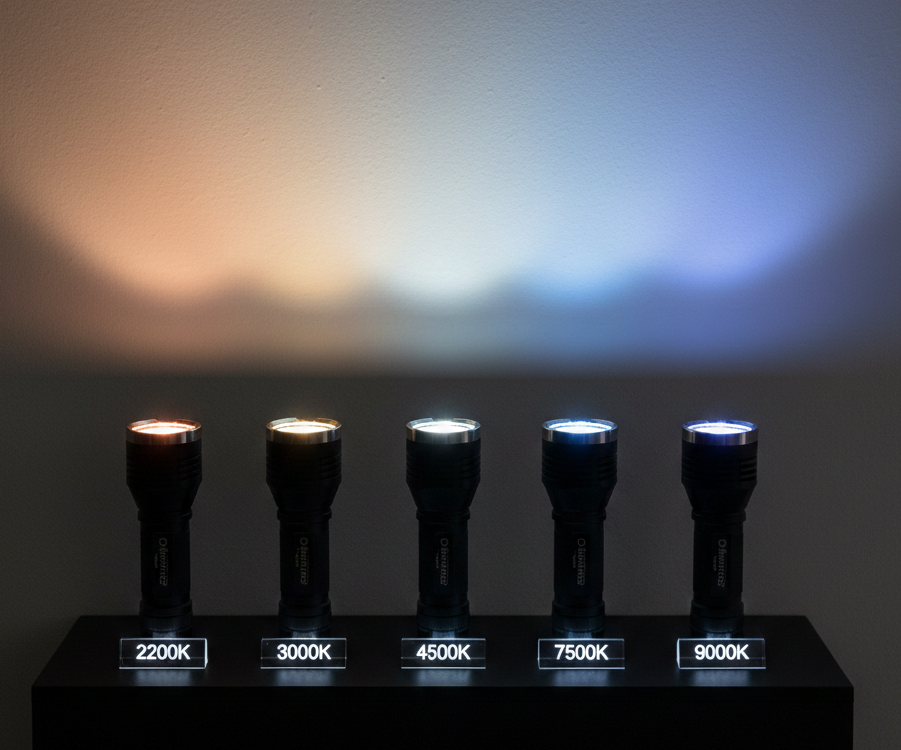
You need to select the right color temperature by focusing on user experience and market fit. Color temperature affects visibility, comfort, and even mood. When you understand application scenarios and psychological effects, you can tailor products like the helius flashlight to meet user expectations and boost satisfaction.
Key Takeaways
Choose the right color temperature for flashlights based on user needs. Cool white light (5000K-6500K) is best for outdoor use, while warm white light (2700K-3000K) is ideal for cozy indoor settings.
Understand the psychological effects of color temperature. Cool light enhances focus and alertness, while warm light promotes relaxation and comfort.
Regularly review your product offerings to match color temperature with market demands. Offering adjustable color temperature options can increase customer satisfaction and broaden your market reach.
Color Temperature Basics

What Is Color Temperature
Color temperature, also known as correlated color temperature (CCT), describes the color characteristics of a light source. You measure it in degrees Kelvin (K). This measurement comes from the temperature of a Planckian radiator, which closely matches the perceived color of the light. Lower color temperatures, such as 2700K, create a warm, reddish glow. Higher color temperatures, like 6000K, produce a cool, bluish-white light. In the flashlight industry, you use kelvins to express how light shifts from warm to cool tones. This system helps you compare different products and choose the right one for your needs.
Color temperature tells you if a light appears warm (red) or cool (blue).
You see the value in kelvins, shown as “K” on packaging.
Higher numbers mean cooler, bluer light. Lower numbers mean warmer, redder light.
Manufacturers use this measurement to describe the light emission of their products.
Why It Matters for Flashlights
You need to pay attention to color temperature because it directly affects flashlight performance. The right color temperature improves visibility in different environments. It also helps you see objects in their true colors, which is important for tasks that require accuracy.
Color temperature influences how bright and clear a flashlight beam appears.
Cool lighting (5000K-6500K) increases visibility and sharpness, making it ideal for outdoor or tactical use.
Warm lighting (2000K-3000K) creates a softer, more comfortable atmosphere, which works well for indoor or cozy settings.
High color temperatures promote focus and alertness, which is useful when you need to see details in low-light conditions.
By understanding these basics, you can select a flashlight that matches your specific needs and preferences.
Choosing the Right Color Temperature
User Preferences and Applications
You need to understand your customers before you select a color temperature for your flashlight products. Sellers often use market research, surveys, and user feedback to identify what buyers want. For example, outdoor enthusiasts usually prefer cool white light in the 5000K-6000K range. This range offers high visibility, which is essential for hiking, camping, or search and rescue. Indoor users or those seeking a cozy atmosphere often choose warmer tones, such as 2700K-4000K. These settings create a more inviting environment.
You should always match the color temperature to the application. If you design a helius flashlight for tactical or emergency use, you want a higher color temperature for maximum clarity. For home or leisure use, a lower color temperature can make the space feel more comfortable. Sellers also consult lighting experts and experiment with different options to find the best fit for each market segment.
Tip: Consider offering flashlights with adjustable color temperature. This feature allows users to switch between warm and cool light, increasing satisfaction and broadening your market reach.
Visibility, Comfort, and Psychological Effects
Color temperature does more than change how things look—it affects how people feel and perform. Cool white light (above 5000K) increases alertness and focus. This makes it ideal for tasks that require attention to detail, such as search and rescue or technical work. Warm white light (2700K-3000K) creates a relaxing atmosphere, which helps reduce stress and supports social interaction.
Studies show that people perceive spaces as cooler under blue-dominant (cool) light, even when the temperature stays the same. High correlated color temperature (CCT) light can also improve thermal comfort. When you use a helius flashlight with cool white light, you may feel more awake and ready to act. Warm light, on the other hand, helps you unwind after a long day.
Higher color temperatures enhance clarity and alertness, improving focus during use.
Lower color temperatures create a relaxing atmosphere and may reduce fatigue during prolonged use.
Participants report better visual comfort under cool white light compared to warm white light.
High color temperature lighting (5000K) is linked to increased alertness.
Psychological effects also play a role in purchasing decisions. Warm lighting promotes relaxation and enhances social interactions. Cool lighting supports productivity and task completion. Individual differences, such as age and culture, can influence how users respond to different colors. You should always consider these factors when designing or marketing your flashlight products.
Study | Findings |
|---|---|
Albers et al. (2015) | Passengers perceived the cabin as cooler under blue dominant light compared to yellow dominant light, despite constant temperature. |
University of Sydney | High CCT light improved thermal comfort and made environments feel cooler at higher temperatures. |
Chellappa | Higher color temperature is linked to faster reaction times in attention-related tasks. |
Kocaoğlu | 4000K increases errors; 6500K is better for learning. |
Common Ranges and Their Uses
You will find that most flashlights fall into three main color temperature ranges. Each range serves a different purpose:
Color Temperature Range | Description | Application |
|---|---|---|
2000K - 3000K | Warm colors (yellowish) | Indoor settings like living rooms and dining rooms |
3100K - 4500K | Cool white (bright white) | Kitchens, bathrooms, and general household use |
5000K - 6500K | Cool colors (daylight) | Reading, utility areas, outdoor, and tactical use |
Warm White Flashlights (2700 - 3500K): These produce a yellow-orange hue. They work best in cozy indoor environments or foggy conditions where color rendering matters.
Neutral White Flashlights (3500K - 5000K): These offer balanced light, making them suitable for a wide range of activities.
Cool White (5000 - 6500K): These provide high visibility and are ideal for tactical, outdoor, or search and rescue applications.
If you design a helius flashlight for specialized tasks like search and rescue, you should use a color temperature of 6000K-6500K. This range delivers bright white light with high contrast, making it easier to spot objects or people in challenging conditions.
Note: Cool white flashlights are also more energy efficient, which leads to longer battery life. This feature is important for outdoor users who need reliable performance over extended periods.
Personal preference and application scenario remain key factors. Some users prefer the clarity of cool white light, while others value the comfort of warm tones. You should always offer options that address these diverse needs to maximize customer satisfaction.
Industry Standards and Market Examples
Standards and Regulations
You must consider industry standards when selecting color temperatures for your flashlight products. Organizations such as the Illuminating Engineering Society (IES) and the International Commission on Illumination (CIE) set guidelines for lighting products. These standards help you ensure that your flashlights deliver consistent and reliable performance. Many markets require compliance with specific regulations, especially for safety and emergency lighting. You should always check local requirements before launching new models. Following these standards not only builds trust with your customers but also reduces the risk of product recalls.
Note: Meeting recognized standards can help you enter new markets and improve your brand reputation.
Adapting helius flashlight to Market Needs
You need to adapt your products to meet the unique needs of each market. The helius flashlight provides a strong example of this approach. You see the helius flashlight offering different color temperature options based on local conditions and user preferences. In regions with snow or heavy fog, users often prefer warmer color temperatures. Warmer light reduces glare and improves visibility in challenging weather. This adaptation allows the helius flashlight to serve customers who need reliable performance in harsh environments.
The helius flashlight offers cool white light for outdoor and tactical use.
It provides warm white options for indoor or foggy conditions.
You can select the best model based on your environment and application.
By adjusting color temperature offerings, the helius flashlight meets the demands of diverse markets. You can use this strategy to increase customer satisfaction and expand your reach.
You improve your market fit by matching color temperature to user needs, application scenarios, and local standards. Ongoing compliance with safety regulations builds trust and keeps you competitive. Avoid common mistakes:
Overlooking color accuracy
Using harsh lighting in cozy spaces
Disrupting visual flow across rooms
Review your product lineup regularly.
FAQ
What color temperature is best for outdoor flashlights?
You should choose 5000K-6000K for outdoor use. This range gives you high visibility and helps you see details clearly in most environments.
Can I use warm white flashlights for reading?
Yes, you can use warm white (2700K-3500K) for reading. This color temperature creates a comfortable atmosphere and reduces eye strain.
Does color temperature affect battery life?
Higher color temperatures often use LEDs that are more energy efficient. You may notice longer battery life with cool white flashlights compared to warm white models.
See Also
A Complete Guide to Selecting Color Flashlights for Outdoors
Tips for Selecting the Perfect Headlamp Flashlight
Selecting the Ideal Color Flashlight for Hog Hunting