Private Label Sourcing from China: Step-by-Step Guide for 2026

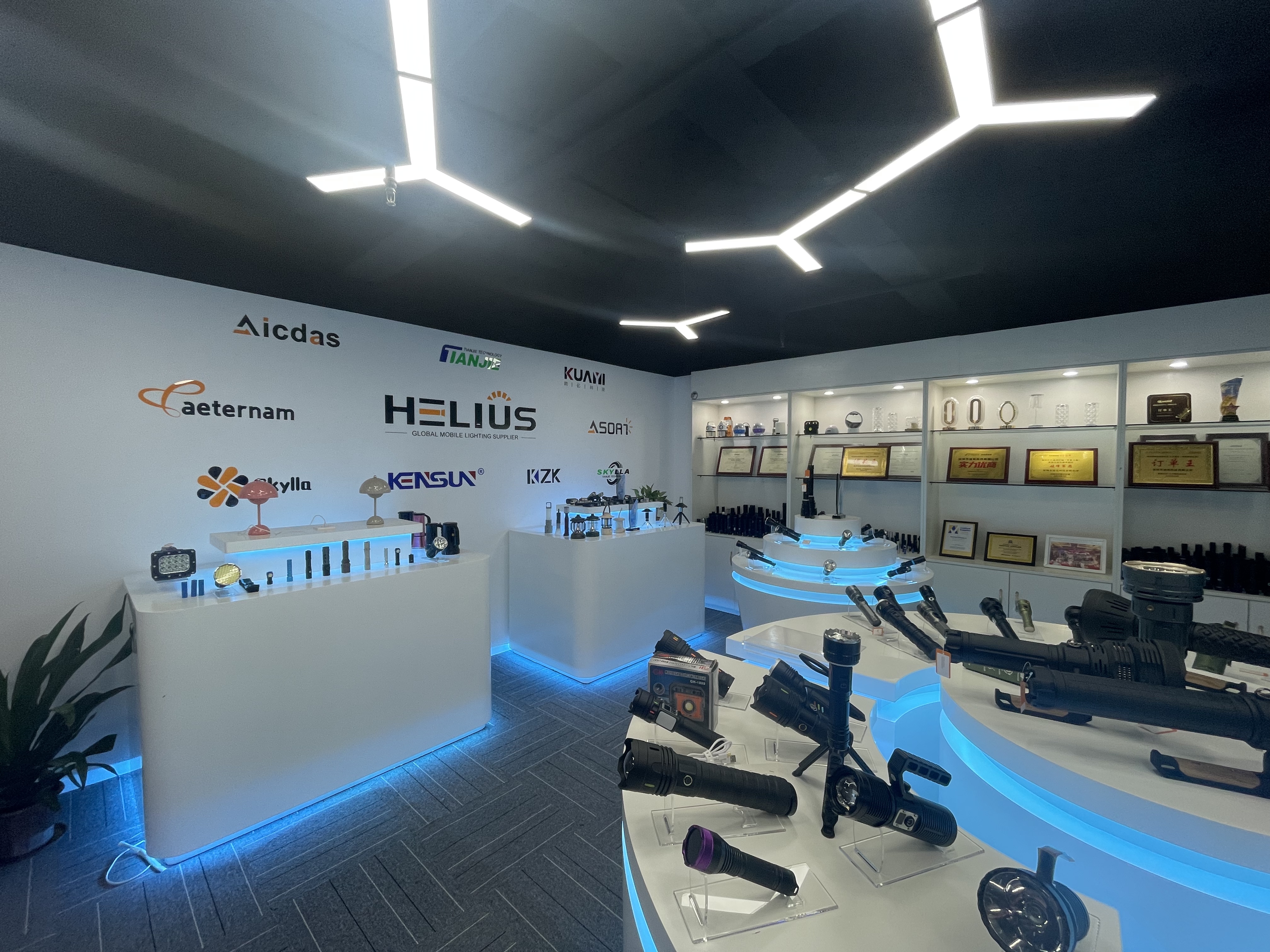
You gain a competitive advantage when you use private label sourcing from China in 2026. Private label products offer small minimum order quantities and allow you to customize features for your market. The market in China shows a compound annual growth rate above 8%, driven by value-focused consumers. Reliable private label manufacturers and strong supplier relationships help you minimize risks and grow your business.
Key Takeaways
Private label sourcing from China allows you to customize products and build a unique brand, giving you a competitive edge in the market.
Identify profitable niches like grocery and health & beauty to maximize your private label success. Focus on categories with strong consumer demand.
Build strong relationships with suppliers through effective communication and trust. This approach enhances your sourcing experience and supports long-term growth.
What Is Private Label Sourcing?
Private label sourcing gives you control over product design and branding. You select products from manufacturers in China and customize them to fit your business needs. This approach lets you build a unique brand and stand out in the private label market.
Private Label vs. White Label
You may wonder how private label sourcing differs from white label sourcing. The main difference lies in customization and branding. White label products offer limited options, usually just your logo and packaging. Private label products allow you to change materials, structure, function, and design. The table below highlights these differences:
Aspect | White Label | Private Label |
|---|---|---|
Customization | Very limited, usually logo and packaging | High, including materials, structure, function, and design, etc. |
Key Benefits in 2026
You gain several advantages by sourcing private label products from China in 2026. The private label market benefits from lower energy prices and improved production efficiency. You can quickly adapt to market trends and respond to customer demands. The energy crisis in Europe has created a permanent gap between European and Asian production costs. Manufacturers now focus on energy intensity and supply chain integration instead of labor costs. Stabilized spot prices and lingering effects of the energy crisis make China a reliable sourcing destination.
Tip: You can leverage these benefits to grow your business and stay ahead in the private label market.
Choose Private Label Products
Find Profitable Niches
You need to identify profitable niches before sourcing private label products. Market research shows that certain categories offer strong opportunities for private label brands. The table below highlights the most promising sectors for 2026:
Product Category | Private Label Share | Household Penetration |
|---|---|---|
General Merchandise | Largest | N/A |
Grocery | N/A | Highest |
Health & Beauty | N/A | Highest |
Household Products | N/A | Highest |
Tools & Home Improvement | Largest | N/A |
Electronics | Less than 10% | N/A |
You can target categories with high household penetration, such as grocery, health & beauty, and household products. These sectors show consistent demand and strong consumer loyalty. General merchandise and tools & home improvement also present large private label shares, making them attractive for new brands.
Note: Trader Joe’s and Aldi rely heavily on private label products, with these brands making up 75% of their sales volume. Amazon’s private label share is much lower, at only 3%.
Assess Market Demand
You must assess market demand to ensure your private label products succeed. Analyze trends in baby products, electronics, grocery, health & beauty, home & garden, household items, office supplies, pet products, tools & home improvement, and toys. These sectors offer diverse opportunities for sourcing private label products. Study consumer preferences and buying habits in your target market. Use online tools and sales data to estimate demand and identify gaps. Focus on categories with high household penetration and strong private label shares to maximize your growth potential.
Find Private Label Manufacturers
You must select the right private label manufacturers to succeed in sourcing from China. The process involves understanding supplier types, using B2B platforms, and evaluating reliability. You can access a wide range of options in the China wholesale market, but you must know how to navigate it effectively.
Supplier Types: ODM, OEM, Contract
You will encounter three main types of manufacturers in the China wholesale market: ODM, OEM, and contract manufacturers. Each type offers unique advantages for sourcing private label products.
ODM (Original Design Manufacturer): This manufacturer provides both the design and tooling for your product. You can choose from their existing designs and request customization. ODMs require less effort from you because they handle most of the design work. However, your product may be less unique compared to other options.
OEM (Original Equipment Manufacturer): This manufacturer produces goods based on your specifications. You supply the design, and the OEM focuses on manufacturing. You have more control over the final product, but you must invest more time in the design process.
Contract Manufacturer: This manufacturer operates like an OEM but usually offers a broader product range. You can source many types of private label products from one contract manufacturer, which helps you scale your business quickly.
Tip: If you want a fast launch with minimal design work, choose an ODM. If you need a unique product, work with an OEM or contract manufacturer.
Use Alibaba and Made-in-China.com
You can find private label manufacturers in the China wholesale market using B2B platforms like Alibaba and Made-in-China.com. These platforms connect you with thousands of manufacturers and sourcing agents. You can compare suppliers, request quotes, and review company profiles. Many buyers use Alibaba because it offers a wide selection and competitive pricing. Made-in-China.com provides similar benefits and often features manufacturers with strong export experience.
Advantages | Disadvantages |
|---|---|
Competitive pricing | Language barriers |
High quality | Shipping times |
Low competition | Quality control |
You must evaluate the reliability of each manufacturer before making a decision. Use the following criteria to assess private label manufacturers in the China wholesale market:
Criteria | Description |
|---|---|
Production Capacity | Match factory size and output volume to your order needs. |
Industry Experience | Prioritize suppliers with at least four years of verified track record. |
Performance Metrics | Look for documented KPIs such as on-time delivery rates (aim for ≥97%). |
Scalability & Flexibility | Assess reorder rates and MOQ adaptability. |
Compliance Certifications | Ensure your supplier meets relevant international standards based on your product category. |
Quality Verification Methods | Implement a multi-layered quality assurance process including sample testing and factory audits. |
You can also work with sourcing agents or China sourcing companies. These professionals help you find reliable private label manufacturers, negotiate terms, and manage quality control. Sourcing agents often have deep knowledge of the China wholesale market and can recommend manufacturers that match your needs.
You will face challenges when sourcing from China. Quality control issues, intellectual property risks, and supply chain disruptions are common. You can address these challenges by conducting regular inspections, drafting robust contracts, and maintaining open communication with your manufacturer. You should also stay informed about regulatory changes and currency fluctuations. Always research and visit potential manufacturers to ensure reliability.
Note: Building strong relationships with private label manufacturers in the China wholesale market increases your chances of long-term success.
You can use Alibaba to compare manufacturers, request samples, and check compliance certifications. Made-in-China.com allows you to filter suppliers by region, product type, and export history. Both platforms offer tools to verify manufacturer reliability, such as customer reviews and factory audit reports. You should always request product samples and conduct video calls to confirm the manufacturer’s capabilities.
You can maximize your sourcing from China by combining B2B platforms, sourcing agents, and direct factory visits. This approach helps you find reliable private label manufacturers and reduces the risks associated with the China wholesale market.
Evaluate and Sample Suppliers
Verify Credentials
You must verify supplier credentials before you commit to sourcing. Start by checking the business license and registration documents. This step confirms the legal status of the supplier. Arrange factory visits to observe operations and quality control processes. You gain valuable insight into their manufacturing standards. Use third-party inspection services for impartial evaluations. These professionals assess the supplier’s capabilities and help you avoid costly mistakes.
Confirm legitimacy through third-party audits and trade certifications.
Look for suppliers with verification badges and documented quality control procedures.
Avoid suppliers who resist video calls or pressure for full prepayment without samples.
Transparency in manufacturing processes and clear communication signal reliability.
Export experience and logistics support are essential for international sourcing.
Tip: Reliable suppliers welcome video calls and provide verifiable business credentials. You build trust by insisting on transparency.
Request Product Samples
Requesting product samples is a crucial step in private label sourcing. You evaluate quality and consistency before placing bulk orders. Work with an experienced inspection company in China to check samples. Conduct pre-production inspections to verify raw materials. Implement during-production inspections to catch issues early. Perform pre-shipment inspections to ensure only high-quality products leave the factory.
Inspection Type | Purpose |
|---|---|
Pre-shipment inspection | Ensures only high-quality products leave the factory. |
Random inspection | Evaluates the batch based on Acceptable Quality Level (AQL). |
Full inspection | Necessary after multiple failed sampling inspections to meet quality. |
Factory audits | Evaluates a factory's capabilities and compliance with standards. |
You establish a well-structured quality control strategy. Early detection of defects saves time and costs. Sampling helps you confirm that the supplier meets your specifications and quality standards.
Negotiate and Secure Contracts
Set Pricing and Payment Terms
You must approach negotiations with clear objectives and thorough preparation. Building trust with your supplier is essential. You gain leverage by understanding your value in the market and communicating your needs directly. Consider these strategies to secure favorable pricing and payment terms:
Negotiate payment terms such as 30% before production, 50% after shipment, and 20% upon delivery.
Discuss letters of credit early to prevent complications.
Accept a slightly higher price if it means better payment flexibility.
Prepare by researching suppliers and defining your goals.
Respect cultural nuances, such as the importance of relationships and saving face.
Leverage local expertise for stronger negotiation outcomes.
Document all terms to protect your interests.
Tip: Patience and persistence help you build trust. You should communicate clearly to avoid misunderstandings and ensure both parties agree on expectations.
Draft Supplier Agreements
You must draft supplier agreements that protect your business and give you control over production. A strong contract prevents ambiguity and clarifies responsibilities. Include these key components in your agreement:
Key Component | Description | Importance |
|---|---|---|
Scope of Work and Deliverables | Details exact goods or services provided | Ensures clarity in expectations |
Payment Terms | Outlines payment amounts, timing, and methods | Clarifies financial responsibilities |
Delivery Schedule & Logistics | Defines delivery timelines and responsibilities | Ensures timely delivery |
Quality Standards & Acceptance Criteria | Sets measurable standards and inspection processes | Protects against substandard products |
Intellectual Property Rights | Specifies ownership of created intellectual property | Prevents disputes over ownership |
Liability and Indemnification | Defines financial responsibility in case of issues | Clarifies risk management |
Termination Clause | Outlines conditions for ending the agreement | Facilitates professional separation |
You secure your private label sourcing by documenting every detail. This approach minimizes risk and supports long-term business growth.
Customize and Brand Products
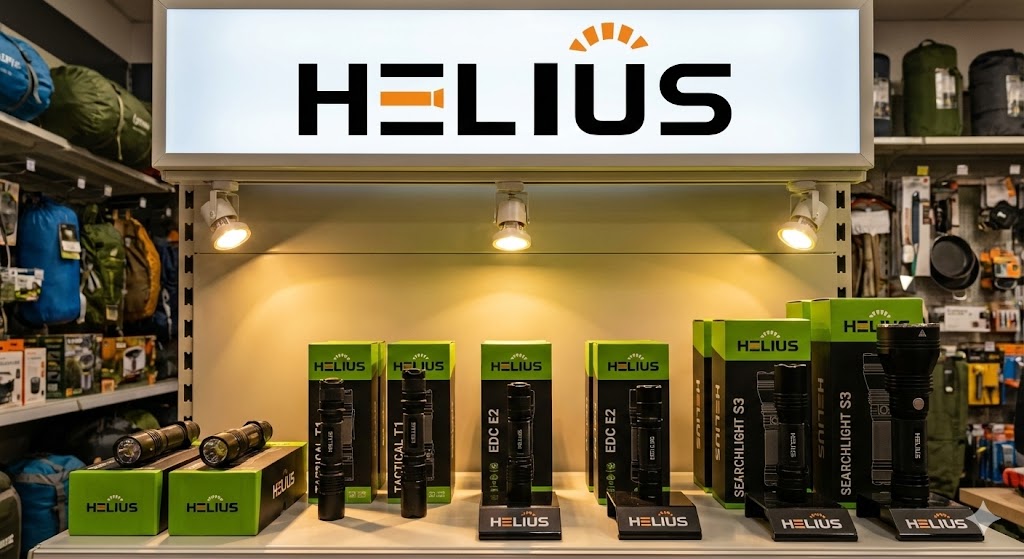
Product Customization Options
You can set your private label products apart by choosing the right customization options. Chinese manufacturers in 2026 offer a wide range of choices to help you create a unique product. You can select from the following popular options:
Branding elements such as logo placement, custom color schemes, branded packaging inserts, and product engraving or embossing
Material changes like fabric type or color for apparel, plastic finishes (matte or glossy), and metal components (stainless steel or aluminum)
Design modifications including size adjustments, feature additions or removals, and component upgrades like stronger magnets or better zippers
You should discuss your customization needs early in the process. This approach helps you avoid delays and ensures your product matches your vision.
Branding and Packaging
Branding and packaging trends in 2026 focus on both style and sustainability. You can boost your brand’s appeal by following these trends:
Clean beauty with products free from harmful chemicals and cruelty-free practices
Sustainable packaging using biodegradable containers and refillable bottles
Advanced skincare solutions with innovative formulations
Customization for a personalized consumer experience
Digital integration, such as QR codes or smart packaging, to connect with tech-savvy buyers
You should work closely with your supplier to design packaging that reflects your brand values. Strong branding and thoughtful packaging help your private label products stand out in a crowded market.
Quality Control in Sourcing from China
Define Quality Standards
You must set clear quality standards when sourcing from China. These standards protect your business and ensure product quality meets your expectations. Manufacturers in China use several quality control methods to maintain consistency. You can refer to the table below for common practices:
Quality Control Method | Description |
|---|---|
Pre-Production Inspection (PPI) | Inspect raw materials and parts before production to ensure qualified materials are used. |
During Production Inspection (DPI) | Conduct in-process sampling to detect and resolve problems early. |
Pre-Shipment Inspection (PSI) | Final inspection when production is 80-100% complete to ensure products meet specifications. |
Container Loading Inspection (CLI) | Inspect product quantity and packaging during loading to avoid damage or incorrect quantities. |
Defect Sorting Inspection | Focus on inspecting specific batches to sort out defective items. |
Factory Audit | Ensure the supplier’s quality management system is up to standard before a long-term relationship. |
You should communicate your product quality requirements to your supplier. This step helps you avoid misunderstandings and supports effective control throughout the sourcing process.
Arrange Inspections
You need to arrange inspections at every stage of sourcing from China. These inspections help you maintain product quality and reduce risks. The most effective types include:
Pre-Production Inspection (PPI)
During Production Check (DUPRO)
Container Loading Check (CLC)
Pre-shipment Inspection (PSI)
Pre-shipment inspections, also called Final Random Inspections, take place when production is complete and goods are packaged. Inspectors evaluate product quality in the factory, allowing you to identify and correct defects before shipment. This process protects you from substandard products and builds trust in sourcing from China.
Tip: Consistent control and regular inspections ensure your product quality stays high and your business reputation remains strong.
Shipping and Payments
Choose Shipping Methods
You need to select the right shipping method for your private label products from china. The best choice depends on your product value, order size, and delivery speed requirements. For small parcels or high-value items, express shipping like DHL, FedEx, or UPS delivers in 5-10 days. These options work well during peak seasons but cost more. Sea freight offers the lowest rates for bulk orders, with transit times of 3-6 weeks. This method suits established businesses that can wait for inventory.
You can also use local warehousing solutions in china to reduce delivery times to 2-7 days. Many sellers prefer specialized lines such as G-Square Premium Line or YunExpress for cost-effective shipping. The table below compares popular methods for delivery to the USA:
Shipping Method | Avg. Delivery (USA) | Tracking Quality | Cost Efficiency |
|---|---|---|---|
G-Square Premium Line | 5 - 8 Days | Real-Time (High) | ⭐⭐⭐⭐⭐ |
YunExpress / CNE | 8 - 14 Days | Stable | ⭐⭐⭐⭐ |
AliExpress Standard | 15 - 25 Days | Inconsistent | ⭐⭐ |
E-Packet (Legacy) | 30+ Days | Poor | ⭐ |
Tip: Choose a shipping method that matches your business model and customer expectations. Fast delivery builds trust and supports repeat sales.
Manage Customs and Payments
You must prepare for customs and payment challenges when importing private label products from china. Tariffs will increase in 2026, with a 100% tariff on imports from china. This change adds to existing duties and affects your profit margins. You need to understand compliance requirements and navigate complex regulations. Customs clearance can involve paperwork, product certifications, and inspections.
Challenge Type | Description |
|---|---|
Tariffs | A 100% tariff on imports from china will be implemented, adding to existing duties. |
Compliance Issues | Importers must navigate complex regulations and compliance requirements. |
Logistical Challenges | Issues related to shipping and handling can complicate the import process. |
You should work with experienced freight forwarders and customs brokers in china. These experts help you avoid delays and reduce risks. For payments, use secure methods such as wire transfers, letters of credit, or escrow services. Always confirm payment terms in your contract and track transactions closely.
Note: Careful planning for customs and payments protects your business from unexpected costs and disruptions. You strengthen your sourcing strategy by staying informed and proactive.
Build Supplier Relationships

Communication Tips
You build strong supplier relationships by using effective communication strategies. Understanding cultural differences helps you avoid misunderstandings and create trust. You should maintain a win-win mindset and show respect for your supplier’s values. Use drawings or sketches to overcome language barriers and clarify your requirements. Invest in a skilled interpreter for complex negotiations. Simple language prevents confusion and keeps discussions clear. Summarize key points to confirm mutual understanding. Lead with relationship-building and avoid confrontation to maintain harmony. Recognize indirect communication styles and clarify vague responses. Nurturing Guanxi, the Chinese system of social networks, brings significant business benefits.
Maintain long-term relationships with give and take.
Be patient and use visual aids.
Show respect for culture and values.
Aim for lasting cooperation.
Encourage proactive problem-solving.
Tip: You build trust by verifying each step without causing loss of face. Express your willingness to cooperate for the long term.
Long-Term Partnership
Establishing a long-term partnership with your supplier unlocks many advantages. You improve profit margins by eliminating middlemen and reducing production costs. Better control over branding lets you tailor product presentation to your vision. You reduce risks by testing new ideas with limited runs before full-scale launches. Flexibility allows you to adapt quickly to market demands and consumer feedback. Increased profitability gives you resources to reinvest in marketing and innovation. Building a strong partnership supports your private label business and helps you grow sustainably.
Improved profit margins
Better branding control
Reduced risks with limited runs
Flexibility to adapt to market changes
Increased profitability for reinvestment
Note: Long-term supplier relationships create stability and open doors to new opportunities.
Sustainability and Risk Management
Ethical Sourcing Practices
You strengthen your private label business by adopting ethical sourcing practices when working with manufacturers in china. Ethical sourcing builds trust and protects your brand reputation. Many companies now focus on sustainability and fair labor standards. You should prioritize eco-friendly materials and support green manufacturing. Manufacturers in china invest in energy-efficient production, waste reduction, and water conservation. You can also explore sustainable materials like recycled plastics, bamboo, hemp, and bioplastics.
Ethical Sourcing Practice | Description |
|---|---|
Strong Supplier Relationships | Build trust and open communication with suppliers. |
Rigorous Quality Control Processes | Maintain product standards and ethical compliance. |
Compliance with Regulatory Standards | Ensure all operations meet local and international laws. |
Focus on Sustainability | Choose eco-friendly materials and processes. |
Regular Performance Reviews | Assess suppliers to ensure ongoing ethical standards. |
Engage in activities that benefit the local community.
Support local charities and sustainable practices.
Prioritize fair labor and responsible waste management.
Tip: Sustainable sourcing from china enhances your brand image and meets growing consumer expectations.
Reduce Sourcing Risks
You reduce sourcing risks by following proven strategies. Start with thorough supplier due diligence to verify licenses and reputation. Diversify your supplier base to avoid relying on a single source. Implement quality control measures to maintain product standards. Build strong relationships with suppliers for better communication and trust. Stay informed about geopolitical and regulatory changes in china that may impact sourcing.
Conduct due diligence on suppliers to assess financial stability.
Involve legal counsel early to draft strong contracts.
Explore insurance options to protect against supply chain disruptions.
Monitor supplier performance through regular audits and checks.
Stagger payments based on production milestones to maintain leverage.
Note: Careful risk management ensures your private label sourcing from china remains stable and profitable.
You succeed in private label sourcing from China by following these steps:
Verify suppliers and visit factories.
Build strong relationships through regular communication.
Use sourcing agents for local expertise.
Prioritize ongoing quality control.
Explore resources that help you avoid mistakes and grow your business.
FAQ
What is the typical minimum order quantity for private label products from China?
You usually see minimum order quantities start at 500 units. Some suppliers may offer lower quantities for first-time buyers or sample orders.
How long does production and shipping take?
You can expect production to take 20 to 40 days. Shipping times range from 5 days for express to 6 weeks for sea freight.
Do I need to register my brand before sourcing private label products?
You should register your brand before placing orders. This step protects your intellectual property and helps you avoid legal issues in your target market.
See Also
Essential Factors to Consider When Buying a Headlamp
A Complete Guide to Selecting the Perfect Mini Flashlight
Selecting the Ideal Color Flashlight for Outdoor Adventures
Finding the Perfect Camping Lamp for Holiday Gifting
A Beginner's Guide to Selecting the Right Hunting Flashlight