OEM & Private Label High-Lumen Search Lights: Opportunities for B2B Brands

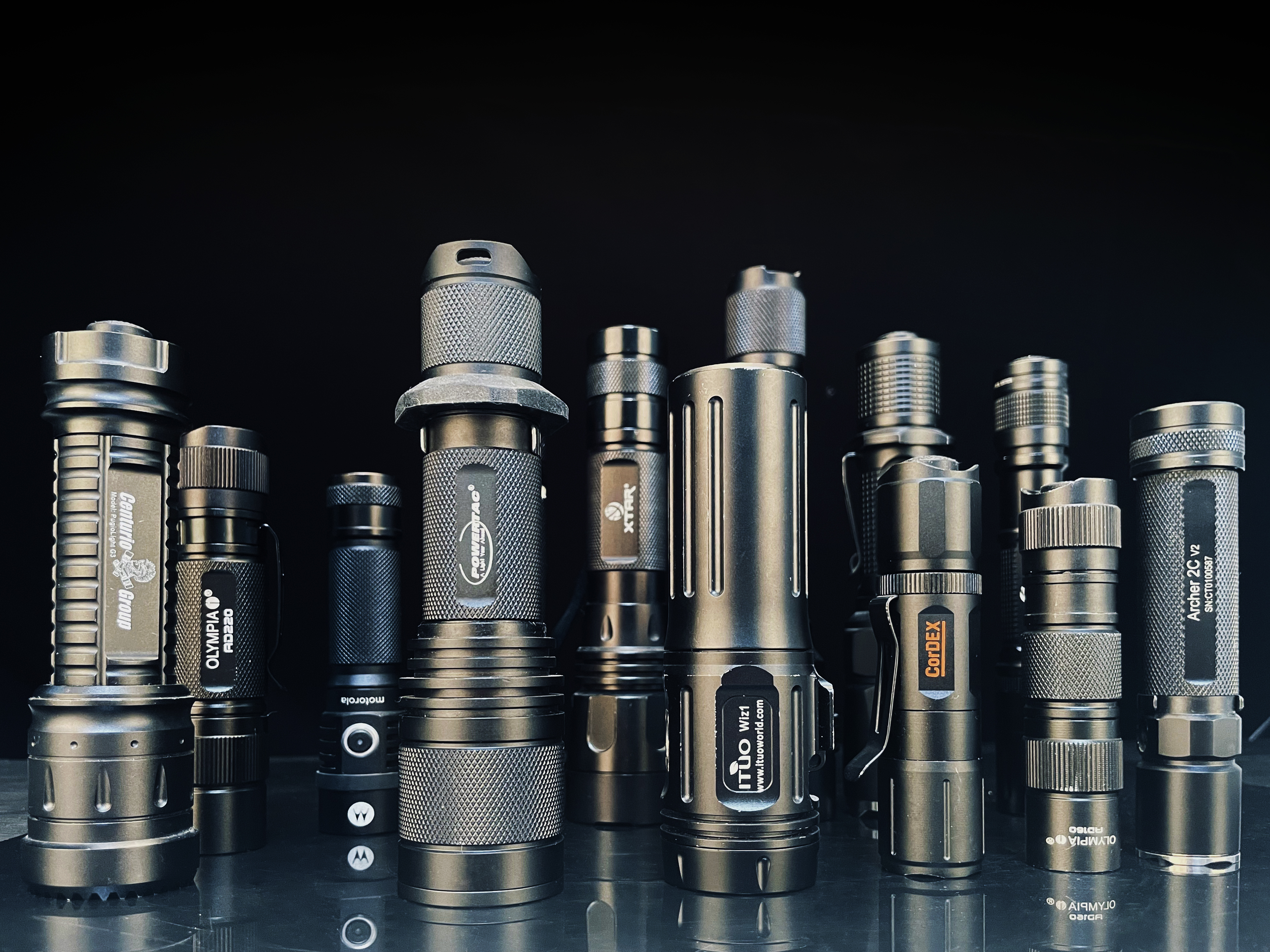
You see rising opportunities for B2B brands to launch OEM and private label search light solutions. Small and mid-size brands gain value through custom packaging and branding. You secure differentiation and profitability by leveraging these trends. Consider strategic approaches to achieve stable sales channels and long-term growth.
Key Takeaways
Embrace OEM and private label solutions to enhance brand differentiation and profitability. Custom features and packaging attract buyers seeking reliability and innovation.
Focus on energy efficiency and compliance to meet market demands. These factors not only reduce operational costs but also ensure long-term sustainability in B2B applications.
Build strong customer loyalty through strategic branding and quality products. Loyalty programs and exclusive benefits encourage repeat business and enhance brand trust.
Search Light Market Potential

Industry Demand Trends
You see a rapid shift in the search light market as small and mid-size brands embrace OEM and private label solutions. LED technology drives this transformation, offering higher efficiency and reliability. Organizations now prioritize energy efficiency and operational reliability when selecting search light products. This focus results from the need to reduce energy consumption and extend service intervals.
Trend Description | Key Metrics |
|---|---|
Energy Efficiency | 50% efficiency enhancement, 35% service cost reductions |
Beam Precision | 40% improvements in beam precision |
Durability | 45%-65% improvement in environmental resistance |
Technology Adoption | 60%-70% of potential system anomalies identified proactively |
You benefit from features such as solid-state lighting engines, remote monitoring, automated beam alignment, and robust enclosure engineering. These advancements help you meet the growing demand for durable and efficient lighting in commercial and industrial settings.
Note: Energy efficiency and heat dissipation solutions are critical for B2B brands. They ensure long-term sustainability and cost savings in large-scale applications.
Key Applications and Sectors
You find the highest adoption rates for OEM and private label search light products in the Asia Pacific region, especially in China and India. Urban infrastructure projects and smart city initiatives drive this demand. In North America and Europe, commercial and industrial sectors lead adoption due to strict energy efficiency regulations.
Government and agency contracts offer stable opportunities for bulk procurement. Public sector projects often require compliance with regional standards, making regulatory-first product design essential. Western Europe emphasizes sustainability and quality, while Eastern Europe provides cost-competitive expansion.
Feature | Benefit | Consideration for B2B Brands |
|---|---|---|
Intense brightness for industrial environments | Critical for safety and operational efficiency | |
Energy Efficiency | Reduces operational costs | Important for long-term sustainability and savings |
Heat Dissipation | Maintains performance in demanding conditions | Essential for large-scale applications |
You position your brand for success by aligning with these trends and focusing on compliance, efficiency, and durability.
OEM & Private Label Advantages
Product Differentiation
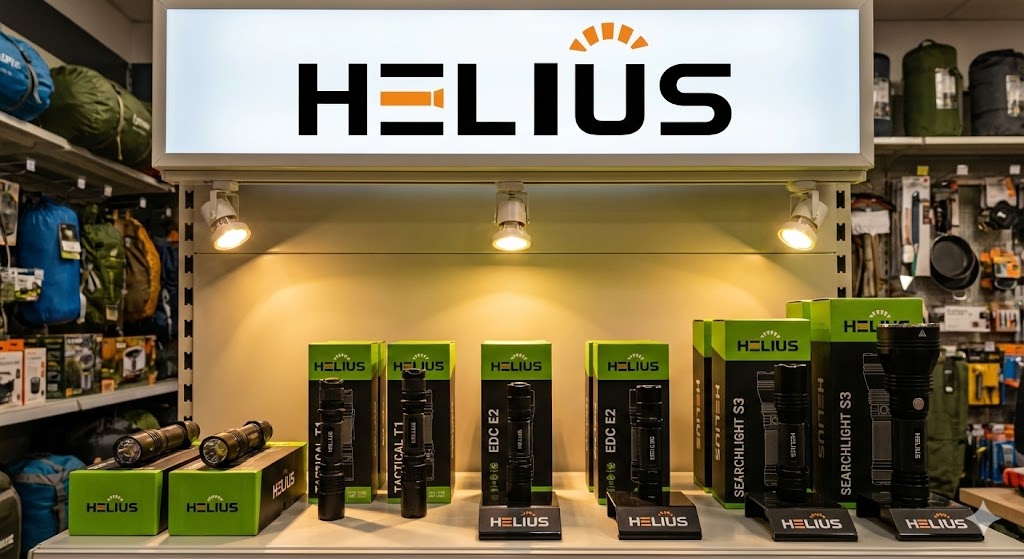
You gain a strong competitive edge when you offer search light products with custom features. Recent advances in LED technology allow you to deliver higher lumen outputs, meeting the specific needs of professional users. When you add smart features like USB charging, you increase the appeal of your products. Buyers value both functionality and quality, so these enhancements influence their purchasing decisions.
Custom packaging and exclusive branding set your products apart in the market. You can align packaging design with your brand message, using SEO-optimized content to reach your target audience. Sustainable packaging solutions improve your reputation and meet customer expectations. You also benefit from integrating digital experiences into packaging, which increases customer engagement. Minimalist packaging appeals to buyers who value transparency and efficiency, helping you reduce waste and costs.
Align packaging with brand message for clear communication.
Use sustainable materials to enhance reputation.
Integrate digital experiences for higher engagement.
Choose minimalist designs to reduce costs and appeal to efficiency-minded buyers.
Tip: Custom features and packaging help you stand out in crowded B2B markets. You attract buyers who seek reliability and innovation in search light solutions.
Cost and Supply Chain Benefits
You improve your bottom line when you adopt OEM and private label models. These approaches streamline your supply chain and reduce costs. You can use a hybrid strategy to shorten your time-to-profit by nearly a year compared to pure OEM. Major chains that use private label models capture higher margins and control category narratives. Hybrid clients see faster revenue growth than those who rely on a single model.
Benefit | Description |
|---|---|
Hybrid Strategy | Reduces time-to-profit by 11 months compared to pure OEM |
Margin Advantage | Private label models capture 30-50% margins and control category narratives |
Revenue Growth | Hybrid clients achieve 40% faster revenue growth than single-model users |
You gain flexibility in sourcing and production, which helps you respond quickly to market changes. You also control costs more effectively, making your search light offerings more attractive to B2B buyers.
Customer Loyalty
You build lasting relationships with your customers through strategic branding. Loyalty programs provide real value, encouraging repeat business. You can offer exclusive benefits, such as early product releases, special discounts, or industry insights. These perks make your customers feel valued and keep them engaged with your brand.
Positive brand equity allows you to charge premium prices. Buyers trust brands that deliver high-quality products and services, so they are willing to pay more. You see greater profit margins and improved customer loyalty when you focus on quality and consistency.
Loyalty programs retain 41% of customers.
High-quality products and services keep 33% of buyers loyal.
Exclusive benefits increase engagement and repeat purchases.
Note: Strategic branding and consistent quality help you build trust and loyalty among B2B buyers. You create a strong foundation for long-term success in the search light market.
Building a Private Label Search Light Brand
Market Positioning
You need a clear strategy to stand out in the B2B search light market. Start by identifying your target audience. Focus on specific customer segments such as residential, commercial, or industrial buyers. Understand their unique needs and challenges. Next, define your value proposition. Highlight benefits like product quality, innovative features, competitive pricing, or sustainability. Craft a brand message that communicates your strengths and connects with your audience across all channels.
Strategy | Description |
|---|---|
Target Audience | Identify specific customer segments and understand their needs. |
Value Proposition | Define unique benefits such as quality, innovation, pricing, or sustainability. |
Brand Message | Develop a clear message that resonates with your audience. |
Design and Customization
You gain a strong advantage when you control the design and customization of your products. Custom branding lets you create a unique presence in the market. You decide how your products look and feel, which builds trust with B2B customers. You also set your own prices, free from direct competition with identical products. Custom packaging and added materials help your brand stand out. Consistency in product presentation fosters long-term relationships.
Benefit | Description |
|---|---|
Unique Branding | Create your own branded versions to enhance market presence. |
Control Over Product Presentation | Dictate product appearance to maintain trust. |
Pricing Control | Set your own prices without identical product competition. |
Design packaging and include materials for differentiation. | |
Consistency | Build long-term trust with consistent presentation. |
Branding and Compliance
You must ensure your brand meets all regulatory and certification requirements. B2B buyers often demand proof of compliance with safety, environmental, and quality standards. Secure certifications such as CE, RoHS, or UL to build credibility. Use clear labeling and documentation to support your claims. Strong branding, combined with compliance, reassures buyers and opens doors to government and agency contracts.
Tip: Always keep your documentation up to date. This practice helps you avoid delays and builds trust with your partners.
OEM Partnership Strategies
Choosing the Right Partner
You must select an OEM partner who meets your standards for quality, reliability, and compliance. Start by evaluating their product quality and adherence to international standards such as IP67/IP68, LM80, CE, RoHS, FCC, and ISO 9001. Assess their manufacturing capabilities, including output capacity, defect rates, and facility size. Supply chain resilience is also critical. Check if your partner has access to key components and contingency plans for disruptions. Fast response times, multilingual support, and digital project tracking tools show strong communication and responsiveness.
Criteria | Description |
|---|---|
Product Quality & Compliance | Ensure compliance with international standards like IP67/IP68, LM80, CE, RoHS, FCC, ISO 9001. |
Assess output capacity, defect rates, and quality control protocols; consider facility size. | |
Supply Chain Resilience | Evaluate access to key components and contingency plans for disruptions. |
Communication and Responsiveness | Look for fast response times and multilingual support, along with digital project tracking tools. |
Communication Best Practices
You build strong partnerships through clear and consistent communication. Establish protocols early and decide which platforms you will use for updates. Regular check-ins help you align expectations and address concerns quickly. Respond promptly to messages to show respect and commitment. Clarify roles, responsibilities, and deadlines from the start. Stay aware of local regulations and cultural nuances to avoid misunderstandings. Regular updates and transparent feedback keep your projects on track.
Schedule regular progress updates.
Respond quickly to partner inquiries.
Clarify expectations and deadlines.
Adapt to cultural differences for smoother collaboration.
Tip: Effective communication reduces errors and builds trust with your OEM partner.
Quality and IP Protection
You must protect your intellectual property and ensure consistent quality. Negotiate clear terms covering design ownership and patent protection before production begins. Protect your unique circuitry and exterior designs with patents. Make sure your partner respects your patents and avoids infringement issues. Use standardized quality assurance processes and compliant documentation to maintain high standards. Work with partners who offer end-to-end services, including research, sourcing, design, quality control, logistics, and after-sales support.
Area | Key Benefits | Critical Success Factors |
|---|---|---|
Core Services | End-to-end partner: research, sourcing, design, QC, logistics, after-sales | Clear specs, cost targets, timeline alignment |
Scale & Reach | Standardized QA, multi-sourcing options, compliant documentation | Ready now |
Protect your designs with clear contracts.
Use patents to safeguard unique features.
Choose partners with robust quality assurance systems.
Note: Strong IP protection and quality control secure your brand’s reputation and long-term success.
Practical Considerations & Case Studies
Cost, Time, and ROI
You must weigh your investment, timeline, and expected returns before launching an OEM or private label search light project. Most B2B brands invest between $35,000 and $60,000 to develop a new product line. You often see a return on investment (ROI) of 320% to 450% within 6 to 12 months. This rapid payback comes from higher margins and improved customer retention. You can boost your profit margin from 16% up to 42% by controlling your supply chain and branding.
Investment Required | Typical ROI | Timeline to Profitability | Revenue Growth | Margin Improvement | Customer Retention |
|---|---|---|---|---|---|
$35,000-60,000 | 320-450% | 6-12 months | 80-140% | 16% → 35-42% | +25-40 percentage points |
You should also consider development time. Custom features and compliance testing may extend your timeline, but they help you meet strict B2B requirements. Careful planning ensures you balance cost, speed, and quality.
Tip: Start with a pilot run to test your product and packaging before scaling up. This approach helps you control costs and reduce risk.
B2B Success Stories
You can learn from brands that have succeeded in this space. The Helius H-G70 search light stands out as a top performer. Its high-lumen output and rugged design helped a mid-size distributor win a large municipal contract. Another example comes from a private label brand that secured a government agency deal by offering custom compliance documentation and sustainable packaging.
You see that winning government contracts often requires strict adherence to safety and environmental standards. Brands that invest in certifications and unique features gain a clear advantage. By following these examples, you can position your brand for long-term growth and stable sales.
You succeed in the OEM and private label search light market by verifying technical datasheets, clarifying MOQ and payment terms, and negotiating Incoterms. Strong branding and private labeling boost your profit margins. Assess your readiness with market research and a clear brand identity.
Actionable Step | Description |
|---|---|
Leverage OEM partnerships | Enhance brand identity and market differentiation |
Tailor products for local markets | Meet specific regional demands for greater impact |
FAQ
What certifications do you need for B2B search lights?
You need certifications like CE, RoHS, and UL.
Certification | Purpose |
|---|---|
CE | Safety/Compliance |
RoHS | Environmental |
UL | Safety |
How do you protect your brand when working with OEM partners?
You should use clear contracts, register patents, and request NDA agreements. These steps help you secure your designs and intellectual property.
What is the typical minimum order quantity (MOQ) for private label search lights?
You usually see MOQs between 500 and 1,000 units.
Tip: Negotiate with your supplier for pilot runs or lower initial quantities.
See Also
Brighten Your Journeys with Top High-Powered Flashlights
Must-Have Gear: Headlamps for Effortless Lighting Solutions
Improve Your Hunting Trips with Red Light Flashlights