Choosing LED Power Levels for Professional Flashlights: Industrial, Law-Enforcement, Outdoor Use

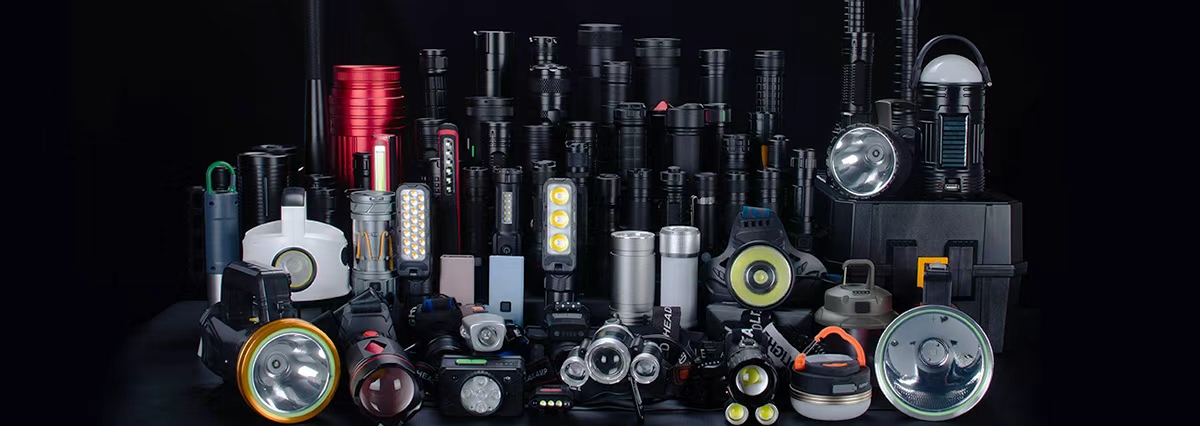
When you choose a flashlight for professional work, consider your environment first. Construction, security, law enforcement, and outdoor activities drive demand for reliable tools. Each setting requires you to balance led power levels, brightness, and runtime. Your tasks may involve inspections, emergency response, or recreational use. Prioritize durability and reliability before focusing on maximum output.
Construction and security professionals rely on flashlights for inspections and safety.
Law enforcement officers need tactical features and dependable performance.
Outdoor enthusiasts demand weather resistance and portability.
Key Takeaways
Consider your work environment when choosing a flashlight. Different settings like construction, law enforcement, and outdoor activities require specific features.
Understand lumens and their importance. Higher lumens mean brighter light, but balance this with battery life for effective use.
Select flashlights with durable construction. Look for materials like aircraft-grade aluminum and features like waterproofing to ensure reliability.
Prioritize battery type and runtime. Lithium-ion batteries offer longer life and consistent performance, essential for professional tasks.
Use a quick-reference guide to compare flashlight options. This helps you match lumens, features, and durability to your specific needs.
Understanding LED Power Levels in Flashlights
What Are Lumens
When you select a flashlight, you often see the term lumen on the packaging. A lumen measures the total amount of visible light emitted from a source. This unit helps you compare the brightness of different models. In professional settings, understanding lumens is essential. Manufacturers measure lumens using an integrating sphere, which captures and quantifies all the light from the LED. You should also know the difference between lumens and lux. While lumens indicate total light output, lux measures how much light falls on a specific area. This distinction matters when you need to illuminate a workspace or search area.
The scientific relationship defines one lumen as the light produced by one candela over one steradian. This formula helps you understand how manufacturers quantify brightness in flashlights.
Beam Distance and Runtime
Beam distance tells you how far the light will reach. In industrial or law-enforcement work, you may need a flashlight that projects a focused beam over long distances. Runtime refers to how long your flashlight will operate before the battery needs recharging or replacement. Both factors depend on the led power levels and the efficiency of the LED. Modern LEDs use electroluminescence, which makes them much more efficient than traditional halogen bulbs. For example:
LED flood lights consume up to 80% less energy than halogen bulbs.
A halogen flood light may require 500 watts, while an equivalent LED needs only 50 watts.
LEDs generate less heat, reducing energy waste and environmental impact.
Balancing Brightness and Battery Life
You must balance brightness and battery life for professional use. Higher lumen output gives you more light but drains the battery faster. The following table shows typical trade-offs:
Brightness (lumens) | Battery Life (hours) |
|---|---|
300 | 4-6 |
800 | 2-4 |
1500 | 1.5-3 |
2000+ | 1-2 |
Choose a flashlight that matches your task. For long shifts, a moderate lumen level may serve you better than maximum brightness. Always consider your environment and the demands of your job.
Industrial LED Power Levels
Lumen Recommendations for Industrial Use
You need to select the right lumen output for your industrial environment. For general duty tasks, flashlights with 400 to 600 lumen provide enough illumination for most inspections and maintenance work. Emergency response or large-area searches often require higher led power levels, sometimes reaching 1,100 lumen or more. High-quality lighting is essential for worker safety, especially during long shifts. Advancements in led technology now allow you to achieve consistent brightness without sacrificing battery life. Extended battery life prevents fatigue and helps maintain safety throughout your shift.
Flashlight Scenarios: Inspections and Maintenance
Industrial professionals use a variety of flashlight types to match specific tasks.
General use flashlights work well for basic inspections.
Headlamp flashlights offer hands-free lighting, ideal for electricians and plumbers.
Heavy-duty flashlights withstand harsh conditions and provide reliable performance in outdoor or low-light jobs.
Tactical flashlights serve emergency responders with specialized modes for crisis situations.
High-intensity discharge flashlights deliver extreme brightness for search and rescue operations.
Specialized utility flashlights support automotive or diving tasks.
Portable everyday carry flashlights give you backup options.
Alternative charge flashlights help during power outages.
Worklights illuminate large areas in stationary settings.
Safety and Battery Considerations
You must prioritize battery reliability and safety in industrial settings. Lithium-ion batteries have become the standard because they are lighter and maintain consistent voltage output. This technology ensures your led flashlight stays bright until nearly depleted, which is crucial for safety and efficiency. High-quality batteries, such as those from ACEBEAM, last over 500 charge cycles and retain more than 80% of their original capacity. Industrial flashlights undergo rigorous tests, including shakeout, bending, salty spray, ultraviolet radiation, and vibration tests, to ensure durability. Safety features like protection plates and multi-circuit systems guard against overcharging, overheating, and short-circuiting, keeping you safe during extended use.
Law-Enforcement Tactical Flashlight Guide
Minimum Lumen for Police Use
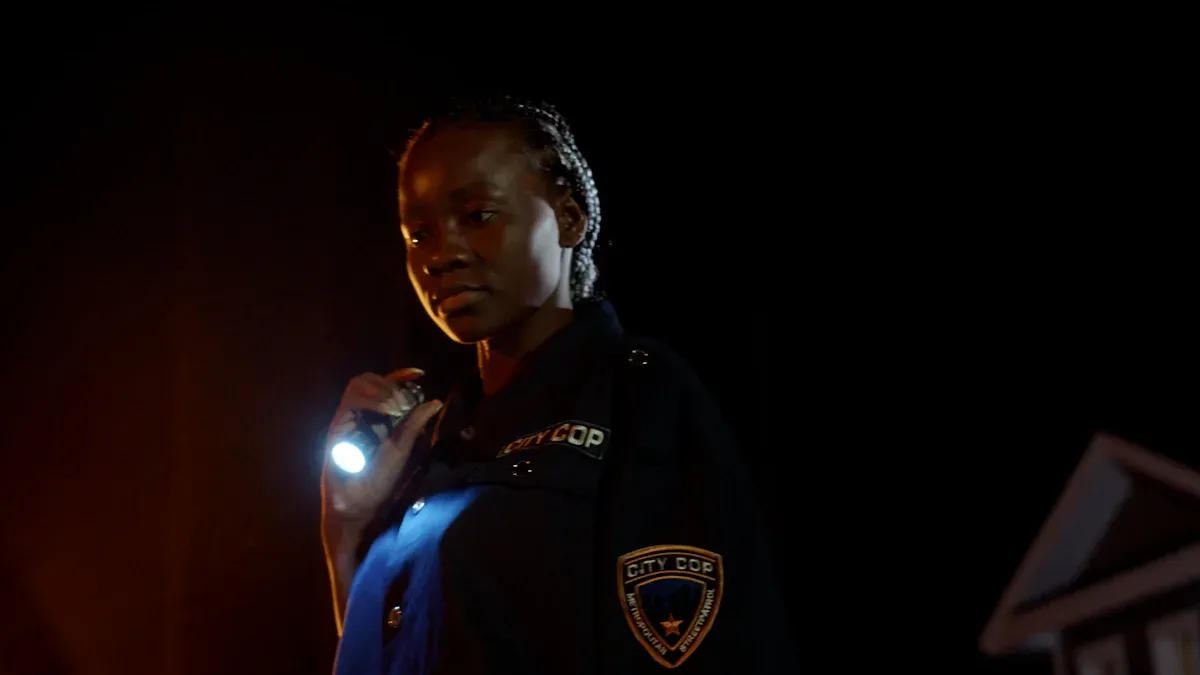
You need a law enforcement flashlight that delivers high brightness for critical situations. Most police departments recommend a minimum of 1,000 lumens for tactical flashlight use. This level of lumen output and beam distance ensures you can illuminate large areas, identify threats, and signal for backup. In dark environments, high led power levels help you maintain situational awareness and control. A tactical flashlight with this output can penetrate fog, smoke, or tinted windows, giving you a clear advantage during nighttime operations.
Tactical Flashlight Features
When you choose the right tactical flashlight for law enforcement applications, focus on tactical features that support your mission. Look for a tactical tail switch that allows quick, one-handed operation. Strobe modes are essential; they emit rapid flashes to disorient threats and provide a tactical edge in confrontations. Many professional-grade tactical flashlights use military-grade materials for durability and impact resistance. Waterproof construction ensures your law enforcement flashlight performs in any weather. Multiple lighting modes let you adapt to changing conditions, from low-light patrols to high-intensity searches. Tactical lighting must be reliable, rugged, and easy to deploy under pressure.
Tip: Always test your tactical flashlight before duty shifts to confirm all tactical features work as expected.
Runtime and Reliability
You rely on your law enforcement flashlight for extended periods, so runtime and reliability matter. Modern led technology provides consistent performance, even during long shifts. Choose a tactical flashlight with efficient led circuits and high-capacity batteries. This combination delivers steady brightness without frequent recharging. Rugged construction protects your flashlight from drops, water, and harsh environments. For law enforcement applications, a dependable tactical flashlight can make the difference between success and failure. When choosing the right tactical flashlight, prioritize runtime, durability, and ease of use.
Outdoor Flashlights and Lumen Guide

Lumen Levels for Outdoor Activities
You need high-power led flashlights for outdoor adventures. The right lumen output ensures you see clearly and stay safe. Outdoor safety organizations recommend different lumen levels for each activity. The table below shows the ideal output and beam distance for common outdoor uses:
Activity | Recommended Lumens | Beam Distance |
|---|---|---|
Camping | 200-500 | 50-100 meters |
Hiking/Trail Running | 400-800 | 100-150 meters |
Search & Rescue | 1000+ | 200+ meters |
High-power led flashlights with superior brightness help you navigate trails, set up camp, or respond to emergencies. For search and rescue, you need high lumen output and powerful illumination to cover large areas quickly.
Flashlight Use: Hiking, Camping, Search & Rescue
You should select high-power led flashlights that match your activity. When hiking, choose a model with multiple brightness levels. This feature lets you adjust output for trail finding or map reading. For camping, high-power led flashlights with long runtime support emergency preparedness and daily tasks. In search and rescue, handheld tactical flashlights with high-lumen output and strobe modes improve visibility and signaling. Emergency preparedness requires reliable output and battery flexibility. You benefit from high-power led flashlights that use rechargeable or common batteries.
Brightness: Measured in lumens, with attention to how output changes over time.
Battery power: Consider runtime and battery type for emergency preparedness.
Light modes: Multiple brightness levels and SOS functions add versatility.
Durability: Drop tests and waterproof ratings ensure field reliability.
Weather Resistance and Portability
Outdoor conditions demand high-power led flashlights with robust weather resistance. Look for an IPX7 waterproof rating, which means your flashlight can survive submersion up to 1 meter. Impact resistance from 1.5 meters and temperature tolerance from -20°F to 120°F keep your flashlight working in harsh environments. Battery flexibility, such as solar or USB charging, supports emergency preparedness. While some high-power led flashlights feel bulky, they offer superior brightness and essential features for outdoor use. Understanding IP ratings helps you choose the right model. For example, IPX4 means splash resistance, while IPX7 provides protection during heavy rain or accidental drops in water. Handheld tactical flashlights with high lumen output deliver reliable performance wherever you go.
Quick-Reference: Comparing LED Power Levels
Table: Industrial, Law-Enforcement, Outdoor
You need a clear comparison when selecting the right lighting tool for your job. The table below summarizes recommended led power levels, typical lumens, and essential features for each professional environment. This quick-reference guide helps you match your needs to the best available options.
Use Case | Recommended Lumens | Typical LED Power | Key Features | Market Trend/Notes |
|---|---|---|---|---|
Industrial | 400-1,100 | 1W-5W | Durable build, hands-free options, long battery life, magnetic base, impact resistance | Significant for maintenance and inspections; reliability is critical |
Law Enforcement | 1,000+ | 5W | Tactical tail switch, strobe mode, waterproof, high output, quick deployment | Fastest growth expected (2025-2032) due to tactical procurement |
Outdoor (Camping/Hiking) | 200-800 | 0.1W-1W | Lightweight, weatherproof, multiple modes, portability, battery flexibility | High demand for weather-resistant and portable solutions |
Outdoor (Search & Rescue) | 1,000+ | 5W | Maximum output, SOS/strobe, rugged, long-range beam, rechargeable | Essential for emergency response; high lumen and led power required |
Note: Household flashlights hold the largest market share in 2024, but professional users drive innovation in led technology and durability.
How to Choose the Right Flashlight
You can make a fast and confident decision by focusing on your environment and the complexity of your tasks. Use this checklist to guide your selection process:
Define Your Primary Use Case
Industrial: Inspections, repairs, or maintenance.
Law Enforcement: Patrol, search, or tactical response.
Outdoor: Camping, hiking, or emergency rescue.
Match LED Power and Lumens to Your Needs
For detailed industrial work, select at least 500 lumens and 1W led power.
For tactical or search operations, choose 1,000+ lumens and 5W led power.
For general outdoor use, 200-800 lumens and 0.1-1W led power provide balance.
Prioritize Key Features
Durability: Aircraft-grade aluminum or reinforced plastic withstands rough handling.
Brightness: High lumens improve visibility in challenging conditions.
Battery Life: Lithium-ion batteries support long shifts without interruption.
Waterproofing: IPX7 or higher ratings protect against rain and immersion.
Hands-Free Options: Magnetic bases and clips allow you to work efficiently.
Consider Portability and Comfort
Lightweight designs suit outdoor and mobile tasks.
Ergonomic grips and compact sizes improve usability.
Review Market Trends
Law enforcement and industrial sectors continue to demand higher led performance and reliability.
Outdoor users seek weather resistance and flexible charging options.
Tip: Always test your flashlight before critical tasks. Confirm that all modes and features function as expected.
A quick-reference table like the one above saves you time and reduces uncertainty. You can compare led power, lumens, and features at a glance. This approach ensures you select the right tool for your safety and productivity.
Additional Features for Professional Flashlights
Durability and Build Quality
You need a reliable light source that stands up to tough environments. High-quality flashlights use materials and designs that maximize build quality and durability. Look for these features when you select a professional model:
Aircraft-grade aluminum, such as 6061 or 7075, offers a strong yet lightweight body.
Hard-anodized finishes protect against corrosion and scratches.
O-ring seals and reinforced switches keep out dust and moisture.
Hardened glass lenses resist impacts and prevent scratches.
Drop-tested construction ensures impact resistance from 1 to 2 meters.
A durable construction helps your flashlight survive drops, rough handling, and exposure to harsh conditions. These features ensure your tool performs reliably on every shift.
Battery Type and Charging
Battery choice directly affects performance and convenience. The table below compares common options:
Battery Type | Characteristics | Use Case |
|---|---|---|
Disposable batteries (AA, AAA) | Easy to find, less powerful, not eco-friendly | Emergency use |
Rechargeable lithium-ion batteries | High capacity, cold-resistant, cost-effective for regular use | Daily professional use |
USB-rechargeable systems | Convenient charging, versatile, removable options available | Travel and everyday use |
Rechargeable models offer a sustainable solution and reduce long-term costs. Many high-quality flashlights now include USB-C or micro-USB charging ports, battery level indicators, and compatibility with multiple battery sizes. Always check battery capacity and compatibility to ensure your led flashlight meets your runtime needs.
Weather and Water Resistance
You often work in unpredictable environments. Weather resistance protects your investment and ensures consistent operation. The industry uses IPX ratings to measure water resistance:
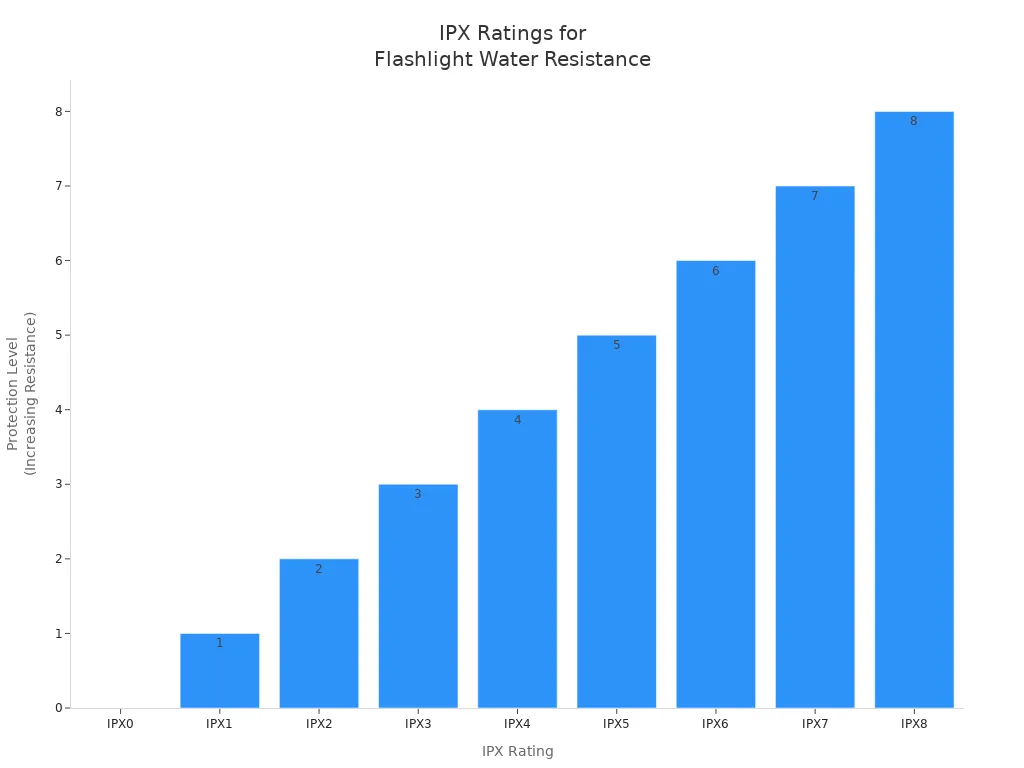
IPX4 handles splashes for urban or casual outdoor use.
IPX5 and IPX6 withstand powerful water jets, ideal for industrial or extended outdoor work.
IPX7 and IPX8 allow immersion, perfect for marine or extreme conditions.
Choose a flashlight with the right IPX rating for your environment. This ensures your reliable light source continues to perform, even in rain, mud, or emergencies.
You make the best choice when you match LED power levels and features to your professional needs. Balance lumens, runtime, and durability for your specific tasks. Before you buy, use the quick-reference guide and assess your environment by checking durability, water resistance, and battery type. Avoid common mistakes like prioritizing brightness over functionality or neglecting ergonomics. Stay updated on new trends, such as smart features and high-output LEDs. For reliable reviews, consult sources like Wirecutter or Candle Power Forums. Your needs and technology will evolve—review your gear regularly.
FAQ
What is the best way to maintain professional flashlights?
You should clean your flashlights regularly. Check the battery contacts for corrosion. Store your flashlights in a dry place. Replace batteries as needed. Inspect O-rings and seals to keep your flashlights water-resistant. Proper care extends the life of your flashlights.
How do I choose flashlights for military and defense operations?
You need flashlights with high lumens, rugged construction, and reliable battery life. Look for tactical features like strobe modes and waterproof ratings. Flashlights for military and defense operations must withstand harsh environments and deliver consistent performance in critical situations.
Can I use rechargeable batteries in all flashlights?
You can use rechargeable batteries in most modern flashlights. Always check the manufacturer’s recommendations. Some flashlights require specific battery types. Rechargeable batteries save money and reduce waste. They also provide steady power for your flashlights during long shifts.
What features make flashlights suitable for outdoor use?
You should select flashlights with weather resistance, multiple brightness modes, and long battery life. Lightweight designs help with portability. Flashlights with high lumens and durable construction perform well in camping, hiking, and emergency situations. Always test your flashlights before outdoor trips.
Why do professionals prefer LED flashlights over traditional bulbs?
LED flashlights offer longer battery life, higher brightness, and better durability. You get more reliable performance in demanding environments. LED flashlights resist shock and vibration. Professionals trust LED flashlights for inspections, patrols, and outdoor activities because they last longer and require less maintenance.
See Also
Selecting The Perfect High-Intensity Flashlight For Your Needs
Comparing Police Flashlights And Standard Flashlights: A Guide
A Complete Guide To Selecting The Ideal Home Flashlight