What is the ideal wattage for an EDC flashlight?

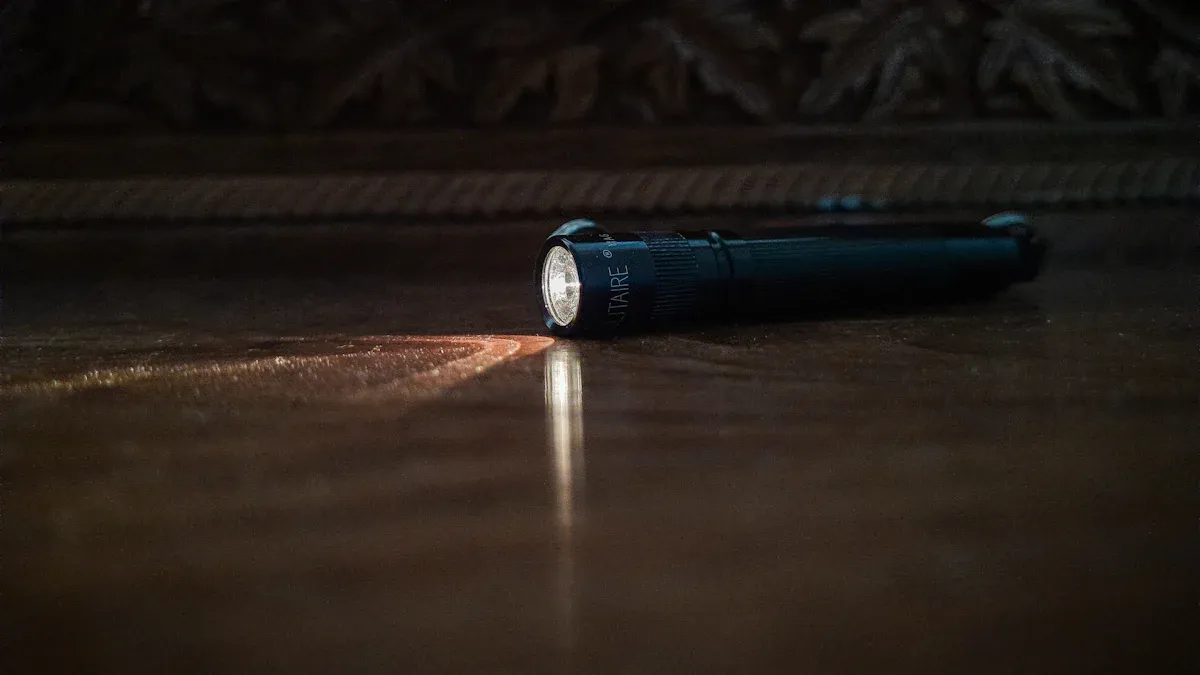
You should look for an everyday carry flashlight with a wattage range of 3 to 10 watts. This range provides reliable brightness for daily tasks. Manufacturers now design LEDs to deliver more lumens per watt, so you need to focus on lumens for the best edc flashlight choice. The significance of lumens matters because it shows how much brightness you get. Your preferred lumens level depends on your environment, whether you use it indoors, outdoors, or for emergencies. If you plan to purchase edc flashlight wholesale, always match lumens to your daily needs.
Key Takeaways
Choose an EDC flashlight with a wattage between 3 to 10 watts for everyday tasks. This range balances brightness and battery life.
Focus on lumens, not wattage, to determine brightness. A flashlight with high lumens and low wattage offers better efficiency and longer battery life.
For indoor use, select flashlights with 100-300 lumens. For outdoor activities or emergencies, look for models with 300-1000 lumens for better visibility.
Consider your specific needs and environment when choosing a flashlight. Different situations require different brightness levels.
When buying in bulk, match wattage and lumens to your customers' needs. Offer a range of options for various use cases.
Wattage and Lumens in EDC Flashlights
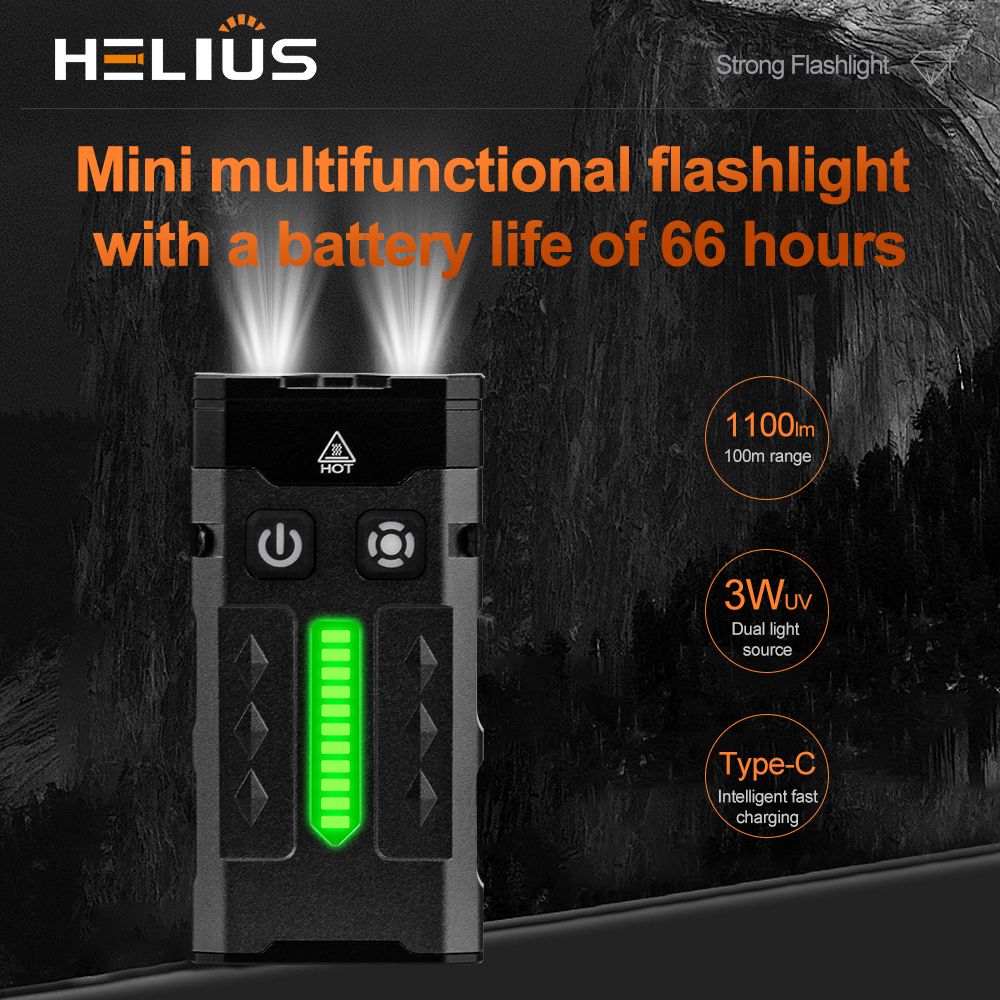
What Is Wattage?
You often see wattage listed on EDC flashlights. Wattage tells you how much energy your flashlight uses to produce light. One watt equals one joule of energy used per second. In the past, higher wattage meant a brighter bulb, especially with old incandescent lights. Today, things have changed. Modern led technology allows you to get more light with less energy. This means you can carry a small flashlight that uses only a few watts but still gives you plenty of brightness. When you choose an EDC flashlight, you want to balance energy use and light output. Lower wattage usually means longer battery life, but you still need enough light for your daily tasks.
How Lumens Relate to Wattage
Lumens measure the total amount of visible light your flashlight produces. You should focus on lumens when you want to know how bright your EDC flashlight will be. With led flashlights, you can get high lumens even if the wattage stays low. For example, a 5-watt led flashlight can produce over 500 lumens, which is enough for most daily needs. If you need more brightness for outdoor or emergency use, you might look for higher lumen ratings. Most EDC flashlights offer between 100 and 1000 lumens. You can find models with adjustable settings, so you can pick the right amount of lumens for each situation.
Tip: Always check both the wattage and the lumens before you buy. High lumens with low wattage means you get more light and longer battery life.
Here is a quick guide to typical lumen ranges for EDC flashlights:
Use Case | Recommended Lumens |
|---|---|
Indoor Tasks | 100-300 |
Outdoor Walking | 300-600 |
Emergency Use | 600-1000+ |
You can see that lumens give you a better idea of how much light you get. Led technology makes it possible to have powerful flashlights that fit in your pocket. When you compare models, look at both the lumens and the wattage to find the best balance for your needs.
Recommended Wattage Range for EDC Flashlights
Everyday Use: 3-10 Watts
You want an EDC flashlight that fits your daily routine. Most users find that a wattage range of 3 to 10 watts works best for everyday tasks. This range gives you enough brightness without draining your battery too quickly. You can rely on flashlights in this category for activities like finding keys, walking in dim hallways, or checking under furniture. Manufacturers design these flashlights to deliver efficient light output, so you get more lumens per watt.
Here is a table that shows how different lumen ranges match common use cases:
Lumen Range | Use Case Description |
|---|---|
50-100 Lumens | Suitable for general tasks like finding keys indoors. |
100-150 Lumens | Great for medium-range activities, including outdoor exploration. |
150-300 Lumens | Best for demanding tasks like security checks outdoors. |
You notice that indoor use typically requires lower lumens because you do not need to illuminate large spaces. Outdoor use demands higher lumens for better visibility. For most indoor tasks, you can choose a flashlight with 100 to 300 lumens. This level of brightness helps you complete daily chores and navigate low-light environments.
Tip: Select a flashlight with adjustable brightness settings. You can switch between lower and higher lumens depending on your needs.
Outdoor and Emergency: Higher Wattage Needs
When you step outside or face emergency situations, you need a flashlight that delivers more power. Outdoor activities, such as hiking or camping, require higher wattage and increased brightness. You should look for flashlights that offer 300 to 1000 lumens or more. These models help you see farther and stay safe in unfamiliar environments.
For everyday tasks: 50-300 lumens
For outdoor or tactical situations: 300-1000 lumens or more
Recommended for outdoor activities: 300-600 lumens
You benefit from higher lumens when you need to illuminate wide areas or signal for help. Emergency situations demand flashlights with greater wattage because increased brightness improves visibility and safety. Emergency vehicle operators rely on high-powered lights to alert others and communicate their presence, especially in low-visibility conditions.
If you want a flashlight for outdoor adventures or emergencies, choose a model with a wattage above 10 watts. These flashlights provide the extra brightness you need for challenging environments. You can find options with adjustable modes, allowing you to switch between regular and high-powered settings.
Note: Always consider the environment and your specific needs before selecting a flashlight. Higher wattage and lumens offer better performance outdoors and during emergencies.
Factors Affecting Your Ideal Wattage Choice
Use Case and Environment
You should always consider where and how you plan to use your EDC flashlight. If you use your flashlight mostly indoors, you may not need high lumens or wattage. For outdoor activities or emergency situations, you need more lumens to ensure better visibility and safety. Your environment shapes your requirements for brightness and flashlight performance.
Everyday tasks at home or work often require lower lumens.
Outdoor adventures or security checks demand higher lumens and increased brightness.
Emergency situations call for reliable flashlight performance and the ability to illuminate large areas.
Note: The Environmental Protection Agency reports that Americans throw away billions of batteries each year. Choosing a flashlight with efficient wattage and longer battery life can help reduce waste and lower environmental impact.
Battery Life and Portability
Battery life plays a major role in your flashlight choice. Higher wattage flashlights draw more current, which can drain batteries faster. You need to balance your desire for high brightness with the need for longer battery life. Battery capacity, measured in milliamp hours (mAh), tells you how long your flashlight can run. A higher mAh rating means your flashlight will last longer between charges or battery changes.
Higher wattage requires more current, which impacts battery capacity and discharge rates.
For every 1000 lumens, about 10 watts are needed, drawing roughly 3 amps.
You must choose between high-capacity batteries with lower discharge rates and high-discharge batteries with less capacity.
If you want a portable flashlight, look for models that offer efficient lumens output without sacrificing battery life. Compact designs with adjustable settings let you control brightness and extend usage time.
Brightness Preferences
Your personal preference for brightness will guide your decision. Some users prefer a softer light for reading or close-up work, while others need maximum lumens for outdoor navigation or emergencies. Many modern EDC flashlights feature adjustable brightness settings, so you can select the right level for each task.
Users often choose flashlights based on their specific brightness needs.
Adjustable settings allow you to match lumens output to your environment.
A higher lumen count improves visibility in dark conditions, which is essential for outdoor or emergency use.
Lumens remain a key factor in how well your flashlight illuminates your surroundings.
Understanding the relationship between lumens and flashlight performance helps you make informed choices. Focusing on lumens rather than just wattage ensures you get the best flashlight performance for your needs.
Comparing Wattage and Lumens
Key Differences Explained
You often see both wattage and lumens listed on EDC flashlight packaging. These two terms measure different things. Wattage tells you how much electrical power the flashlight uses. Lumens measure the total amount of visible light the flashlight produces. You should not assume that a higher wattage always means a brighter flashlight. Modern LED technology allows you to get more lumens with less wattage, making your flashlight more efficient.
Here is a simple table to help you see the main differences:
Feature | Lumens | Wattage |
|---|---|---|
Measurement | Measures light output | Measures power consumption |
Efficiency | Higher lumens possible at lower wattage | Not indicative of light output |
You can use this table to compare models and understand what each number means. Lumens give you a direct measure of how much light you get. Wattage only tells you how much energy the flashlight uses.
Choosing Based on Lumens
When you choose an EDC flashlight, you should focus on lumens instead of wattage. Lumens show you the actual brightness you will experience. Modern flashlights can deliver high lumens without using much power. This means you get a bright beam and longer battery life at the same time.
Consider these important points:
Lumens indicate the brightness of a flashlight, making them a more relevant metric for you.
Modern LED technology allows for higher lumens per watt, so higher wattage does not always mean more light.
Focusing on lumens helps you select flashlights that provide the best brightness and energy efficiency.
You should always check the lumens rating before making a purchase. This approach ensures you get the right level of brightness for your needs, whether you use your flashlight indoors, outdoors, or in emergencies. By understanding the difference between wattage and lumens, you make smarter choices and get the most value from your EDC flashlight.
EDC Flashlight Wholesale Considerations
Bulk Buying Tips
When you consider edc flashlight wholesale purchases, you need a clear plan. Start by identifying your target users. Are you supplying flashlights for general consumers, security teams, or professionals? Each group has unique needs. You should always request product samples before placing a large order. Test these samples for brightness, battery life, and build quality. Reliable suppliers will provide detailed specifications and certifications.
You can negotiate better prices when you order in bulk. Ask about discounts, shipping options, and warranty terms. Always check the supplier’s reputation and customer reviews. A trustworthy supplier ensures you receive consistent quality in every shipment.
Tip: Create a checklist for your edc flashlight wholesale order. Include brightness, battery type, size, and durability. This helps you compare options and make informed decisions.
Matching Wattage and Lumens for Wholesale Orders
Choosing the right wattage and lumens for your edc flashlight wholesale order depends on your customers’ needs. You want to offer a range of options to cover different scenarios. Here is a quick guide to help you match lumens to use cases:
For general EDC use, select flashlights with 100-300 lumens.
For night patrols or changing lighting conditions, choose models with 300-980 lumens.
For professionals who need powerful work lights, consider flashlights with over 1000 lumens.
You can use a table to organize your selection:
User Type | Recommended Lumens | Example Use Case |
|---|---|---|
Everyday Consumer | 100-300 | Home, office, travel |
Security/Patrol | 300-980 | Night shifts, patrols |
Professional | 1000+ | Construction, inspection |
When you order edc flashlight wholesale, balance wattage and lumens to ensure efficiency and performance. High lumens with efficient wattage give your customers bright light and long battery life. Always confirm that the flashlights meet safety and quality standards before finalizing your order.
Practical Tips for Choosing EDC Flashlight Wattage
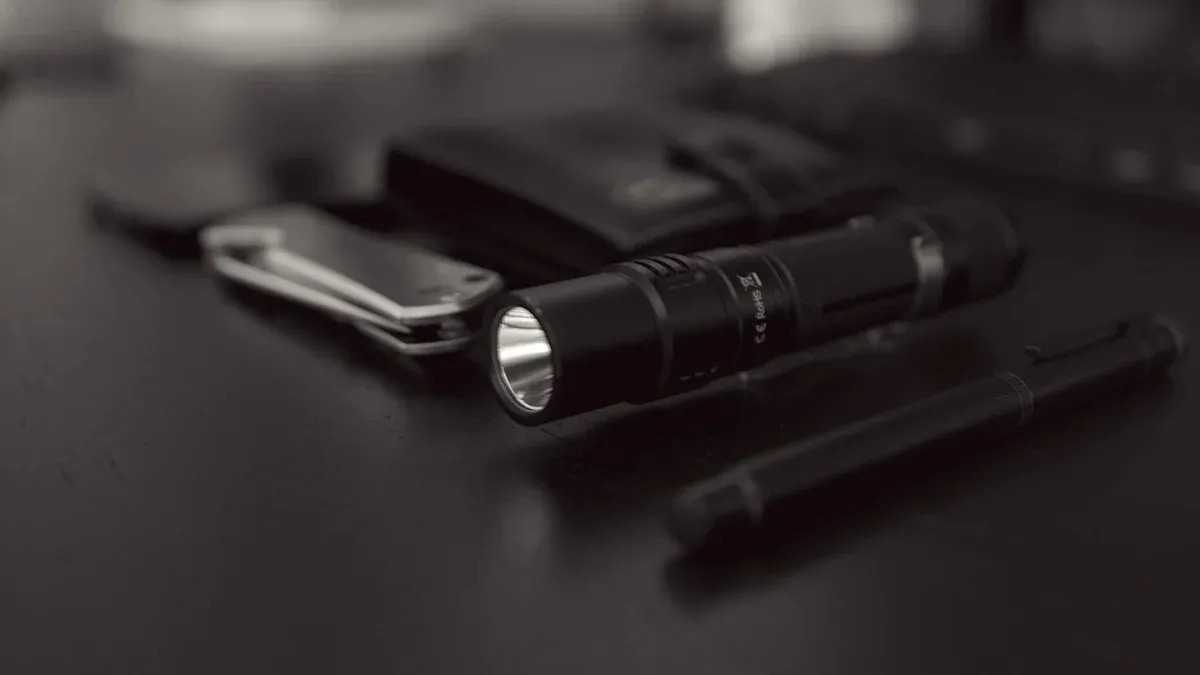
Assessing Your Needs
You should start by identifying how you plan to use your EDC flashlight. Think about your daily routine and the environments you encounter. If you often work indoors, you may only need a flashlight with moderate brightness. For outdoor activities or emergency situations, you will benefit from higher output.
Ask yourself these questions:
Do you need a flashlight for quick tasks, like finding keys or navigating dark hallways?
Will you use it for outdoor adventures, such as hiking or camping?
Do you require a light source for emergencies or power outages?
Tip: Write down your most common use cases. This list will help you match the right wattage and lumens to your needs.
You should also consider how often you will use the flashlight. Frequent use may require a model with longer battery life and efficient power consumption. Occasional use allows you to prioritize compactness and portability.
Balancing Power and Size
Finding the right balance between power and size is essential for EDC flashlights. Larger flashlights usually deliver better performance, including higher output and longer throw distance. However, they may feel bulky in your pocket or bag. Smaller flashlights offer convenience and portability, but they often have limited battery capacity and shorter run times.
You can use these guidelines to help you decide:
Larger flashlights provide stronger beams and better distance illumination.
Smaller models fit easily in your pocket but may need more frequent charging.
Experiment with different sizes to find what feels comfortable and meets your performance expectations.
Consider the beam pattern. A focused "throw" beam works well outdoors, while a wide "flood" beam is ideal for indoor tasks.
Note: Selecting an EDC flashlight involves balancing output, run time, and size. You may need to try a few models before finding the perfect fit for your lifestyle.
By carefully assessing your needs and understanding the trade-offs between power and size, you can choose an EDC flashlight that delivers reliable performance in any situation.
You should select an EDC flashlight based on your specific needs. The table below highlights ideal lumen ranges for common uses:
Lumen Range | Typical Uses |
|---|---|
1-300 | Everyday tasks, reading, finding objects |
300-800 | Outdoor activities, camping, night walks |
500-1200 | Emergency preparedness, search and rescue |
1000+ | Tactical use, self-defense |
Consider battery life and brightness for your environment. Compare wattage and lumens for optimal performance. If you plan to buy in bulk, wholesale options offer cost efficiency and consistent supply.
FAQ
What is the difference between wattage and lumens in a flashlight?
Wattage measures power consumption. Lumens measure light output. You should focus on lumens for brightness. Wattage helps you estimate battery life and efficiency.
How many lumens do you need for everyday carry?
You need 100 to 300 lumens for most daily tasks. This range gives you enough brightness for indoor use and short outdoor walks.
Does higher wattage mean a brighter flashlight?
Not always. Modern LED flashlights produce more lumens with less wattage. You should check the lumens rating for actual brightness.
How does wattage affect battery life?
Higher wattage drains batteries faster. You should choose a flashlight with efficient wattage to maximize run time and reduce charging frequency.
See Also
Finding The Ideal EDC Flashlight For Holiday Presents
Understanding EDC Flashlights: Your Comprehensive Everyday Carry Guide
Selecting The Best High-Powered Flashlight For Your Needs