How LED Wattage Impacts Brightness, Runtime, and Heat: What Importers Must Know


LED wattage plays a crucial role in how bright a light appears, how long it runs, and how much heat it produces. You need to look beyond wattage and focus on lumens, which measure real brightness. Efficiency and heat management affect product quality and safety. When you understand these differences, you can select LED products that perform reliably and meet your customers’ needs.
Key Takeaways
Focus on lumens, not just wattage, to measure brightness accurately. Lumens indicate how bright a light will be, while wattage shows energy use.
Select LEDs with high efficiency ratings to maximize runtime and reduce energy costs. Lower wattage LEDs can extend battery life in portable devices.
Understand the importance of heat management in LED products. Proper thermal control enhances performance and prolongs lifespan.
Always review manufacturer specifications for lumens, efficiency, and heat management features. This helps ensure product quality and reliability.
Avoid common mistakes by choosing LEDs with longer warranties and proven heat management systems. This protects your investment and ensures customer satisfaction.
LED Wattage Basics for Importers

What Is LED Wattage
You often see the term "led wattage" when you review product specifications. In simple terms, wattage measures the amount of electrical power an LED uses. Unlike traditional bulbs, where wattage also suggested brightness, led lighting separates these concepts. Lumens now serve as the main unit for light output, while wattage only shows energy consumption. This shift helps you compare products more accurately and focus on energy savings.
Manufacturers list several details for each led product. You can use the table below to understand how wattage fits into the bigger picture:
Specification | What It Means |
|---|---|
Light output | Brightness (measured in lumens) |
Estimated annual energy cost | Cost to operate per year |
Life of each lamp | Expected lifespan (years) |
Correlated color temperature | Light appearance (warm/cool) |
Wattage | Power used by the LED |
Design voltage | Operating voltage |
Contains Mercury | Safety information |
Note: In led lighting, lumens give you a better idea of how bright a product will be. Wattage only tells you how much power the led will use.
Why Wattage Matters in LED Products
You need to pay attention to led wattage for several reasons. First, it affects energy costs and helps you meet efficiency standards. Federal regulations, such as the Energy Independence and Security Act, require led products to deliver a minimum number of lumens per watt. This rule means you must select products that balance brightness and power use.
You also need to consider heat output. Higher wattage can lead to more heat, which impacts product safety and lifespan. As efficiency standards rise, you will see more led options that provide high brightness with lower power consumption. By understanding these basics, you can choose led lighting that meets both regulatory and customer needs.
LED Wattage vs. Brightness
Lumens vs. Wattage
You may notice that many product labels highlight both lumens and wattage. Understanding the difference helps you make informed choices for your business. Lumens measure the amount of light an LED emits, which directly relates to brightness. Wattage, on the other hand, shows how much power the LED uses. In LED lighting, lumens provide a more accurate measure of brightness than wattage. The human eye responds to visible wavelengths, so lumens reflect how bright a space will appear. Modern LED technology allows you to achieve greater brightness with lower wattage, making lumens the preferred metric for selecting lighting.
With modern LED technology, a 10 watt LED can be brighter than an old 60 watt incandescent bulb because LEDs turn more energy into light instead of wasting it as heat. This highlights how variations in LED technology lead to a higher lumen output per watt compared to traditional lighting.
Factors Affecting LED Brightness
You should not rely on wattage alone when evaluating LED products. Several factors influence how bright an LED appears:
Color Temperature: Cooler color temperatures often look brighter than warmer ones, even with the same lumen output.
Beam Angle: Narrow beam angles focus light, making areas appear brighter. Wider angles spread light, reducing intensity.
Surrounding Environment: Placement and wall colors affect perceived brightness.
LED Chip Quality: High-quality chips convert energy more efficiently, resulting in higher brightness.
Fixture Design: Effective heat dissipation and lens design can concentrate light, making the same lumen output seem brighter.
The materials and design of an LED fixture play a significant role. Good heat management and lens design enhance light concentration, improving the overall effect. LEDs use electroluminescence, where electricity passes through a semiconductor to generate light with minimal energy loss. This process differs from incandescent bulbs, which waste much of their power as heat. The directional nature of LED light also improves efficiency, ensuring more useful light reaches your target area.
Comparing LED Products
When you compare LED products, focus on lumens and efficiency instead of wattage alone. Two LEDs with the same wattage can produce different levels of brightness due to differences in chip quality and design. For example, a 10 watt LED may deliver 900 lumens, while another 10 watt LED only produces 700 lumens. This variation shows why you must check the lumen rating and efficiency.
Product Type | Wattage | Lumens | Efficiency (Lumens/Watt) |
|---|---|---|---|
LED Bulb A | 10 | 900 | 90 |
LED Bulb B | 10 | 700 | 70 |
Incandescent Bulb | 60 | 800 | 13 |
Lumens indicate the brightness of a lamp, while wattage reflects energy consumption.
Prioritizing lumens ensures you meet specific lighting needs and improve performance.
For instance, a 60-watt incandescent bulb produces about 800 lumens, but an LED bulb achieves the same brightness with only 8-12 watts, resulting in significant energy savings.
You should always review manufacturer specifications for lumen output and efficiency. This approach helps you select LED products that deliver reliable brightness and lower energy costs. By focusing on lumens and efficiency, you avoid common mistakes and ensure your products meet customer expectations.
LED Wattage and Runtime
Power Consumption and Battery Life
You need to understand how power consumption affects battery life in LED products. When you select an LED with higher wattage, it draws more power from the battery. This results in shorter runtime before you need to recharge or replace the battery. If you choose lower wattage LEDs, you extend battery life and reduce energy costs. For portable lighting, such as flashlights or emergency lamps, runtime becomes a critical factor. You should always check the manufacturer's specifications for both wattage and estimated runtime. A simple table can help you compare options:
LED Wattage | Estimated Runtime (Hours) | Application |
|---|---|---|
5W | 12 | Task lighting |
10W | 8 | General lighting |
20W | 4 | High-output lamps |
Efficiency and LED Types
You can maximize runtime by choosing efficient LED types. Low wattage LED bulbs, ranging from 10W to 39W, replace traditional incandescent bulbs that use 40W to 100W. These LEDs provide equal or greater brightness while consuming less power. They also generate less heat, which reduces energy waste and lowers costs. You should look for products with high lumens per watt ratings. This metric shows how well the LED converts power into visible light. Efficient LED lighting helps you meet energy standards and improves product reliability.
Tip: Select LEDs with high efficiency ratings to achieve longer runtime and better performance for your customers.
Selecting for Optimal Runtime
You must match LED wattage to your application to achieve optimal runtime. For battery-powered devices, lower wattage LEDs offer longer operation and less frequent charging. In commercial settings, efficient LEDs reduce utility bills and maintenance costs. You should balance brightness needs with power consumption. Review manufacturer data for lumens, wattage, and estimated runtime. This approach ensures you deliver products that meet customer expectations for both performance and energy savings.
LED Wattage and Heat
Heat Generation in LEDs
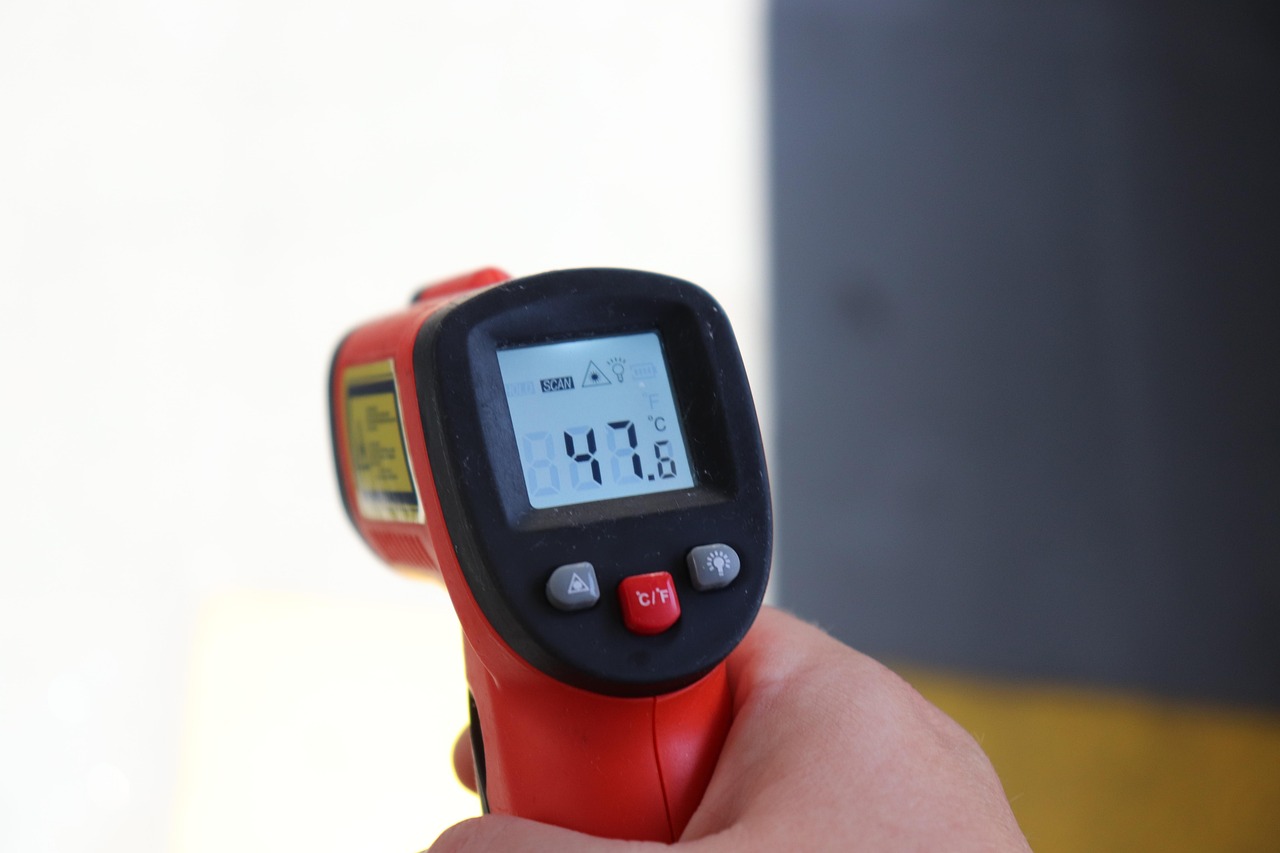
You need to understand how wattage affects heat in led lighting. When you increase wattage, heat generation also rises. However, led bulbs are much more efficient than incandescent and fluorescent bulbs. LEDs convert up to 80% of electrical energy into visible light, which means less heat escapes into the environment. Incandescent bulbs waste about 90% of their energy as heat, while fluorescent bulbs also produce significant heat but less than incandescent types. Advanced thermal management systems in led lighting technology help minimize heat output and improve thermal performance. This efficiency allows you to use higher wattage LEDs without the excessive heat found in older lighting options.
Managing LED Heat
Proper heat management is essential for maintaining led performance and product reliability. If you do not control heat, you risk damaging the semiconductor materials inside the LED. Overheating can cause efficiency loss, decreased brightness, and color shifts. You must ensure that heat dissipates efficiently from the LED. Any bottleneck in thermal management raises the junction temperature, which leads to lumen loss and reduced efficacy.
Evidence | Description |
|---|---|
Heat Generation | LEDs emit 55% of energy as heat, leading to performance degradation and shorter lifespan. |
Junction Temperature | High junction temperatures inversely affect LED lifespan. |
Thermal Management | Effective thermal management is crucial for maintaining nominal junction temperatures for reliable operation. |
Impact on Reliability and Safety
You must address heat risks to protect led performance and safety. Excessive heat reduces the lifespan of led vehicle lights and other products. Overheating degrades semiconductor materials, causing efficiency loss. You may see decreased brightness and color shifts, which impact visibility and reliability. To manage heat, you should:
Select products that meet Design Lights Consortium standards for thermal performance.
Ensure adequate lighting levels as recommended by the Illuminating Engineering Society.
Avoid over-lighting to save energy and reduce heat.
Consider lighting controls and occupancy heat mapping to optimize energy use.
By focusing on heat management, you improve led performance and extend product life. You also reduce safety risks and maintenance costs for your customers.
Importer Considerations
Matching LED Wattage to Application
You must match the wattage of your lighting to the specific needs of each environment. Different applications require different brightness levels and fixture types. For example, warehouses need higher lux levels and robust led fixtures, while offices benefit from moderate brightness and softer color temperatures. The table below helps you align your choices with industry standards:
Application Type | Required Lux Levels | Recommended Fixture Type | Color Temperature |
|---|---|---|---|
Warehouse | 150-300 lux | High bay fixtures | 5000K |
Office | 300-500 lux | Troffers or panels | 4000K |
Manufacturing | 500-750 lux | High bay fixtures | 5000K |
Selecting the right wattage ensures you provide adequate illumination without excessive energy use or unnecessary heat.
Evaluating Manufacturer Specs
You should always review manufacturer specifications before making a purchase. Reliable specs help you avoid costly mistakes and ensure product quality. Focus on these criteria:
Luminous flux (lumens) for total light output
Brightness measured in candelas for directional intensity
Energy efficiency to gauge power-to-light conversion
Color Rendering Index (CRI) for color accuracy
Beam angle for light distribution
Dimming capabilities for adjustable settings
Lifespan to estimate maintenance needs
Regulatory compliance for safety standards
Environmental considerations for sustainability
Careful evaluation helps you select products that balance brightness, energy use, and heat management.
Avoiding Common Selection Mistakes
You can prevent many issues by understanding warranty terms and heat management features. Good LED products often include a three-year warranty or longer, which signals reliability. Short warranties, such as one year, may indicate a higher risk of failure. Longer warranties, especially on high-wattage products, often reflect better heat control and durable design. Always check for effective heat dissipation systems. Poor heat management leads to reduced lifespan, color shifts, and safety risks. You should prioritize products with proven heat solutions to protect your investment and reputation.
Tip: Choose LEDs with robust warranties and advanced heat management to ensure long-term performance.
You should remember these key points when selecting LED products:
Advancements in LED technology boost energy efficiency, brightness, and durability while reducing heat.
Higher lumens mean brighter light, which improves visibility and performance.
Reliable runtime ensures your products work longer on a single charge.
LED efficacy continues to rise, with modern LEDs producing more light per watt and less heat than older bulbs.
Always review manufacturer data, such as test reports and IES files, to confirm claims about wattage, brightness, and heat management.
By focusing on lumens, efficiency, and heat control, you can choose reliable LEDs that meet your customers’ needs.
FAQ
How do you determine the right LED wattage for your application?
You should review the required brightness in lumens for your space. Match the wattage to achieve that output efficiently. Always check manufacturer recommendations and industry standards for your specific environment.
Why do two LEDs with the same wattage have different brightness?
LED chip quality and fixture design affect efficiency. One LED may convert more power into light, resulting in higher lumens. Always compare lumen ratings, not just wattage.
Tip: Prioritize lumens per watt for better performance.
Does higher wattage always mean more heat in LEDs?
Higher wattage increases heat output, but efficient LEDs manage heat better than older bulbs. Look for products with advanced thermal management to maintain reliability.
Wattage | Heat Output | Efficiency |
|---|---|---|
Low | Minimal | High |
High | Moderate | Varies |
How does LED wattage affect battery-powered devices?
Higher wattage drains batteries faster. You should select lower wattage LEDs for longer runtime. Always check estimated battery life in product specifications.
Lower wattage = longer battery life
Higher wattage = shorter battery life
What should you check in manufacturer specs before importing LEDs?
You should review lumens, wattage, efficiency, heat management features, and warranty terms. Reliable specs help you avoid costly mistakes and ensure product quality.
See Also
A Complete Guide to Understanding Flashlight Lumens
Exploring 1000 Lumens: The Key to Bright Lighting
Essential Considerations for Choosing the Perfect Headlamp
Maximizing Brightness Control with Stepless Dimming Lanterns