Top 7 Hidden Costs Importers Overlook When Buying Flashlights in Bulk

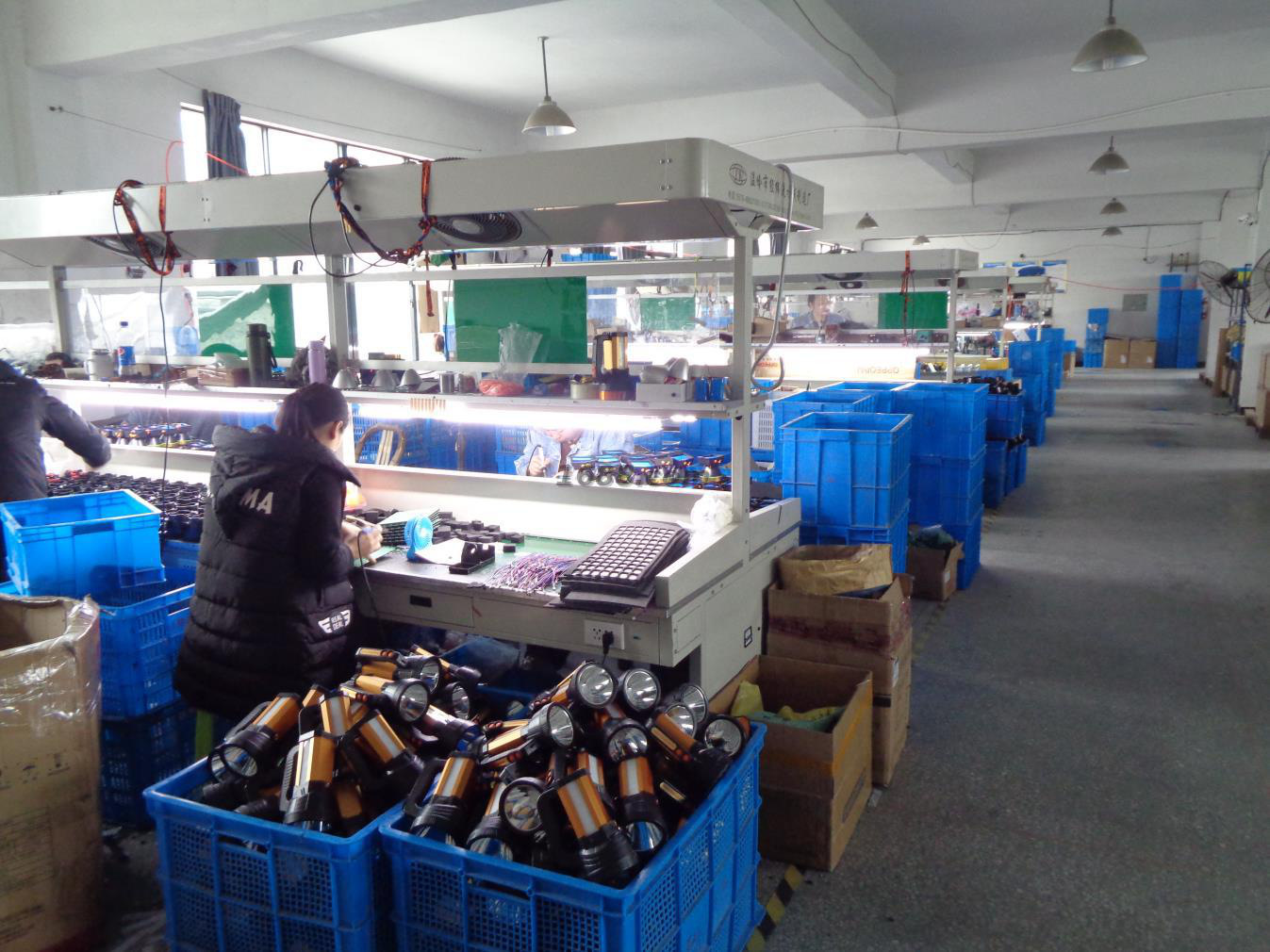
You need to understand every cost when importing Helius flashlight in bulk. Hidden costs like customs duties, storage fees, and insurance can lower your profit margins and make your flashlights less cost-effective. If you miss these expenses, your price and value for money may suffer. Accurate calculation of all costs helps you secure more savings and maintain strong value. Careful bulk purchasing ensures you maximize your investment.
Key Takeaways
Inspect your flashlights before shipment to avoid costly defects. Quality control protects your investment and maintains customer trust.
Stay informed about customs duties and taxes. Unexpected fees can disrupt your budget and affect your pricing strategy.
Choose the right shipping method to balance cost and delivery speed. Understand all surcharges to avoid surprises in your total shipping costs.
Plan for storage fees when importing in bulk. Overlooking warehousing costs can quickly erode your profit margins.
Negotiate with suppliers for better discounts and terms. Strong relationships can lead to significant savings on bulk orders.
Quality Control Cost for Helius Flashlight
Inspection Fees
You face several costs when you inspect multi-purpose flashlights before shipment. Inspection fees often surprise importers who expect a simple process. You pay for third-party inspectors to check the brightness, performance, and durability of each helius flashlight. Manufacturers create prototypes, sometimes using 3D printing, and send samples for review. You receive feedback and request further testing to confirm the product meets your standards. Only after approval does mass production begin, but ongoing quality control continues.
Inspectors evaluate flashlight features such as water resistance and shock resistance.
Manufacturers follow international standards like ISO and RoHS, which add to your costs.
Comprehensive testing before shipping ensures you receive the best flashlight for your needs.
Note: Skipping inspection may seem like a way to save money, but hidden costs from undetected defects can quickly outweigh any savings.
Quality Issues Affecting Value
Quality issues discovered during inspection can impact your bottom line. Defective flashlights reduce customer trust and satisfaction. You may see a drop in demand and resale pricing if buyers question the value of your products. Higher return rates from faulty flashlights further erode your profits.
Defects lower the perceived value of your bulk order.
Customers expect reliable performance and advanced features.
Poor quality can damage your reputation and make it harder to sell future orders.
You must invest in quality control to protect your investment and maintain the value of your helius flashlight shipments. Careful inspection helps you deliver products that meet customer expectations and stand out in the market.
Customs Duties and Import Taxes
Duty Rates Impacting Price
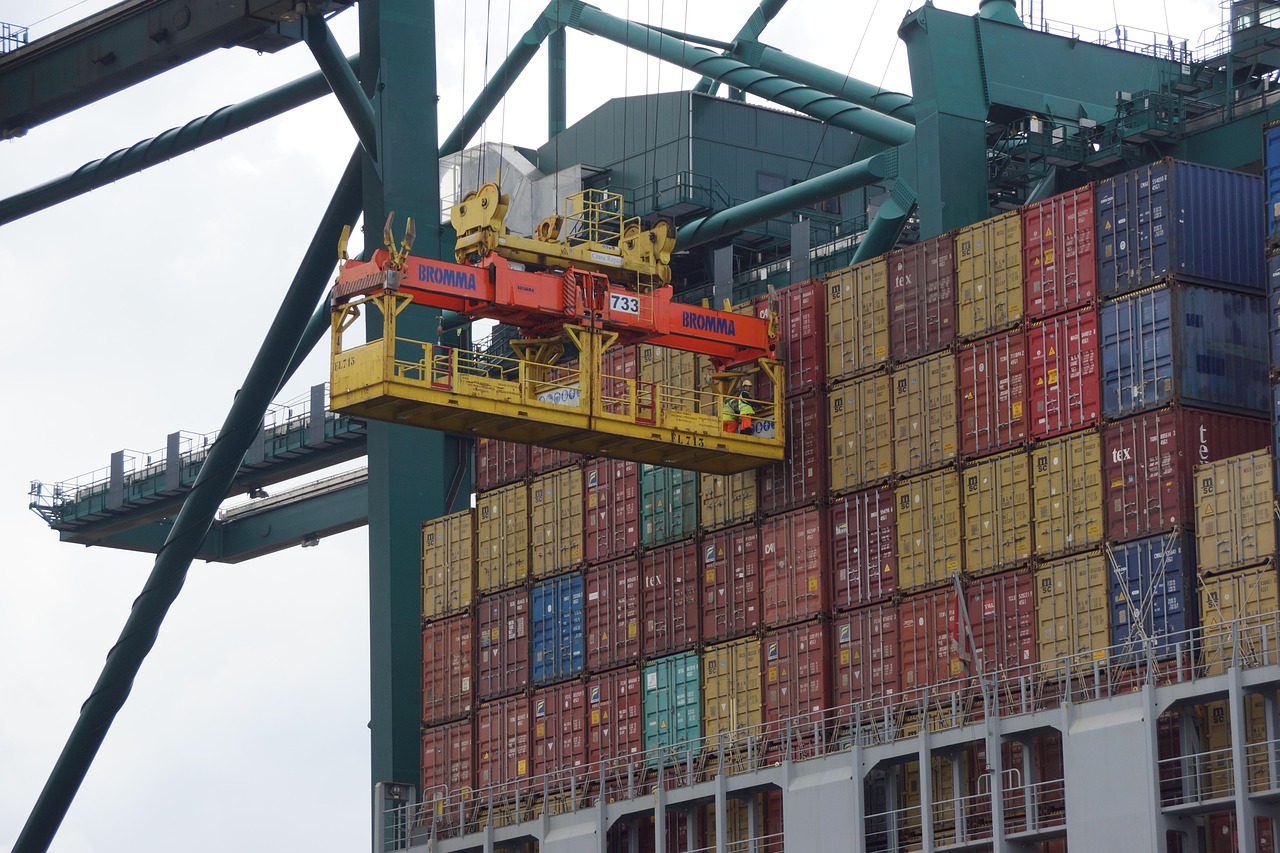
You must pay close attention to customs duties and taxes when importing Helius flashlights. These costs can change the total import costs and affect your price competitiveness. Customs authorities use different tariff systems to calculate what you owe. The table below shows the main types of tariffs you may encounter:
Type of Tariff | Description |
|---|---|
Ad Valorem Tariffs | Calculated as a percentage of the product's assessed value. Higher value means higher tariffs. |
Specific Tariffs | Fixed amount charged per unit or weight, providing predictability in costs. |
Compound Tariffs | Combine fixed fees per unit with a percentage of the value, complicating cost calculations. |
You see variations in customs duties and taxes depending on the destination country. For example:
The standard tariff rate for flashlights imported from China is 12.5%.
In the UAE, customs duties and taxes usually follow a unified tariff rate of 5% for most goods.
Saudi Arabia requires a SASO Certificate of Conformity for flashlight imports, which adds to your costs.
Trade agreements and product features can also change the customs duties and taxes you pay. You need to check the classification and value of your flashlights before shipping.
Tax Surprises
Unexpected customs duties and taxes can disrupt your import process. You may face sudden changes in tariff rates or new regulations that increase your costs. The table below highlights common surprises importers experience:
Detail | Information |
|---|---|
Tariff Rate | 10% |
Effective Date | April 5 |
Additional Tariffs | Starting April 9 |
Customs Process | Orders held until tariffs are cleared |
You risk having your orders held at customs if you do not clear all duties and taxes. Changes in regulations or new tariffs can appear with little warning. You must stay updated on customs duties and taxes to avoid delays and extra costs. Careful planning helps you control your total import costs and maintain a competitive price in your market.
Shipping and Freight Cost
Surcharges
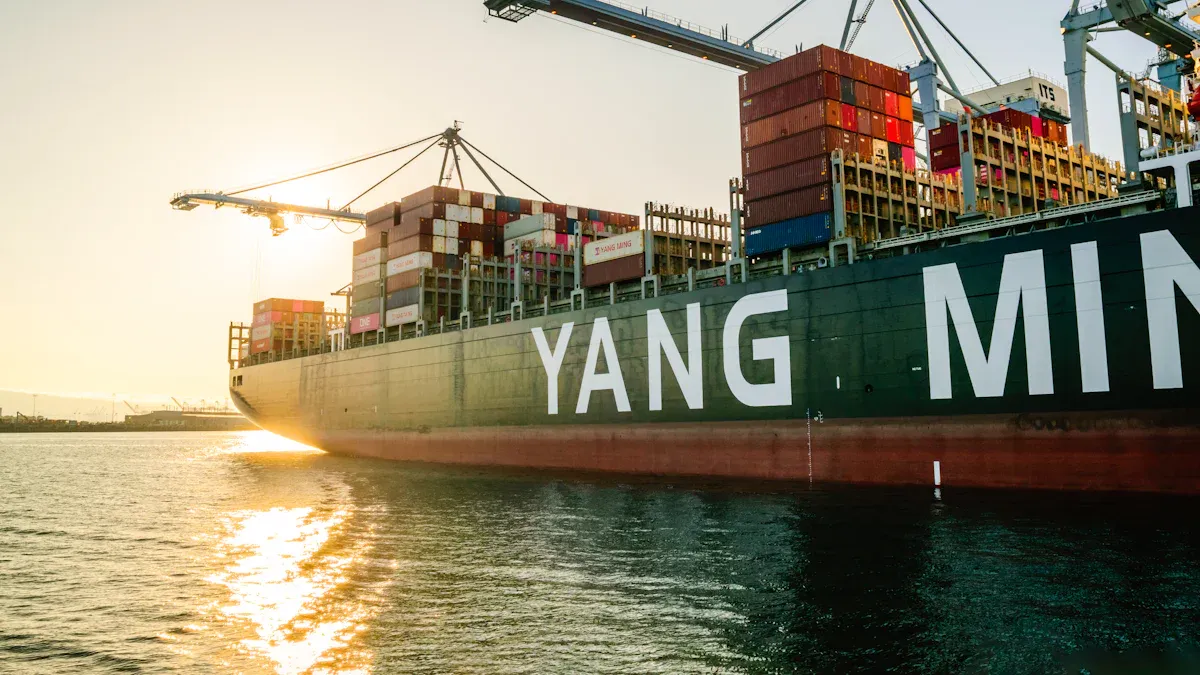
You often face unexpected surcharges when importing multi-purpose flashlights in bulk. These extra fees can include fuel surcharges, peak season charges, and handling fees. Each surcharge adds to your shipping and freight costs, making it harder to predict your final cost. When you choose a shipping method, you must consider both the base fee and any additional charges. The table below shows how different shipping options can affect your total costs and delivery times:
Shipping Method | Shipping Fee | Guaranteed Delivery |
|---|---|---|
Economy | $3.59 | Dec 27 - Feb 06 |
Standard | $18.62 | Dec 08 - Dec 23 |
Premium | $48.78 | Dec 07 - Dec 19 |
Selecting the right shipping method helps you control costs and meet your delivery deadlines. If you want to optimize your shipping and freight options, you need to balance speed and expense. Premium shipping offers faster delivery but increases your landed cost. Economy shipping saves money but may delay your products.
Tip: Always ask your logistics partner for a full breakdown of surcharges before confirming your order. This step helps you avoid surprises and keeps your bulk purchasing on budget.
Delay Fees
Logistics and shipping delays can create hidden costs that impact your profitability. If your flashlights arrive late, you may pay storage fees at the port or warehouse. Delays can also lead to missed sales opportunities, especially if you promised customers a specific delivery date. You risk damaging your reputation if buyers do not receive the best flashlight on time.
You must plan for possible delays and include buffer time in your shipping schedule. Late shipments can affect the brightness and performance of your business, especially during peak seasons. Features like guaranteed delivery dates help you manage expectations and reduce risk. When you import bulk orders, always monitor your shipments and communicate with your logistics provider to avoid costly delays.
Storage Fees Impacting Profitability
Warehousing Cost
You need to consider warehousing cost when you import multi-purpose flashlights in bulk. Storage fees can add up quickly and reduce your profit. Many importers overlook these costs because they focus on the initial purchase price. Warehouses charge you based on the amount of space your flashlights use and the length of time they stay in storage. If you store your products for too long, you lose the cost efficiency benefits of bulk imports.
Tip: Always ask your warehouse provider for a detailed breakdown of storage fees before you sign any agreement.
A simple table can help you compare storage options:
Storage Type | Monthly Fee (per pallet) | Security Level | Accessibility |
|---|---|---|---|
Standard Storage | $25 | Basic | Limited |
Climate-Controlled | $40 | High | 24/7 |
Premium | $60 | Highest | 24/7 |
You should choose the storage type that matches the features and value of your flashlights. If you import the best flashlight with advanced brightness and performance, you may need premium storage to protect your investment.
Inventory Management
Effective inventory management helps you control costs and maintain product value. You must track your stock levels and move products quickly to avoid extra fees. Poor inventory management can lead to overstocking, which increases storage costs and ties up your cash. If you run out of stock, you risk missing sales and damaging your reputation.
You can use inventory software to monitor your flashlights and plan for demand. This approach ensures you always have the right amount of product on hand. You also reduce the risk of losing value due to outdated features or declining performance. When you manage your inventory well, you support the cost efficiency benefits of bulk purchasing and keep your business competitive.
Remember: Good inventory management keeps your multi-purpose flashlights moving and your costs under control.
Insurance Cost for Bulk Orders
Coverage Fees
You need to factor insurance into your total cost when importing multi-purpose flashlights. Insurance coverage protects your shipment against loss, theft, or damage during transit. Providers calculate coverage fees based on the value of your goods, the shipping route, and the type of coverage you select. If you import the best flashlight with advanced features, you may pay higher premiums because of the increased value and risk.
A simple table can help you compare common insurance options:
Insurance Type | Coverage Scope | Typical Fee (% of value) |
|---|---|---|
Basic Cargo | Loss or total damage | 0.3% - 0.5% |
All-Risk | Most risks, incl. theft | 0.5% - 1.0% |
Named Perils | Specific events only | 0.2% - 0.4% |
Tip: Always review the policy details. Some policies exclude certain risks or limit coverage for high-value flashlights.
Risk Management
You must manage risks to protect your investment and maintain profitability. Insurance helps you recover costs if your flashlights suffer damage or loss. You also need to assess the likelihood of claims based on the shipping route and the performance of your logistics partners. If your shipment includes flashlights with high brightness or sensitive features, you face greater risk from rough handling or environmental factors.
You can reduce costs by choosing reliable carriers and monitoring your shipments. Good risk management ensures your multi-purpose flashlights arrive safely and perform as expected. When you invest in insurance, you safeguard your business and deliver the best flashlight experience to your customers.
Remember: Insurance is not just an extra expense. It is a strategic tool that protects your bottom line and supports the long-term success of your import business.
Extra Fees and Unexpected Charges
Administrative Costs
You often encounter administrative costs that can catch you off guard when importing in bulk. These costs include document preparation, customs clearance, and compliance paperwork. You may need to pay for certificates, licenses, or translation services. Each step in the process adds to your overall costs and can slow down your shipment if you do not plan ahead.
A quick checklist can help you track common administrative fees:
Import/export documentation
Customs broker fees
Regulatory compliance charges
Translation and legalization services
Note: If you ignore these administrative costs, you risk shipment delays or even fines. Always ask your supplier or freight forwarder for a detailed breakdown before you finalize your order.
Miscellaneous Expenses
Unexpected expenses can appear at any stage of your import journey. You might face charges for palletizing, repackaging, or special labeling. Sometimes, you need to pay for last-minute changes to shipping instructions or for extra handling if your flashlights require special care.
Here is a table of typical miscellaneous expenses you should watch for:
Expense Type | Example Amount | Reason for Charge |
|---|---|---|
Palletizing Fee | $30/pallet | Secure stacking for transit |
Repackaging Charge | $50/shipment | Custom packaging requests |
Labeling Fee | $20/box | Compliance with regulations |
You should always set aside a small budget for these costs. This approach helps you avoid surprises and keeps your total cost under control. When you account for every possible fee, you protect your profit margins and ensure your bulk import of flashlights remains competitive.
Negotiating Bulk Price and Value
Supplier Discounts
You can unlock significant savings by negotiating supplier discounts when buying Helius flashlight products in bulk. Suppliers often provide discounts for larger orders to keep their production lines running smoothly. You should always ask about bulk pricing advantages and discounts for larger orders before finalizing your purchase.
Leverage competition among manufacturers to secure better discounts.
Time your purchases to align with off-peak seasons, when suppliers offer more discounts to maintain production.
Build strong relationships with suppliers through clear communication and cultural awareness. This approach often leads to exclusive discounts and better terms.
You gain more value for money when you combine these strategies. Accurate forecasting helps you avoid overstocking and ensures you do not miss out on discounts during high-demand periods. Vetting reliable flashlight wholesale distributors also increases your chances of getting the best flashlight deals with advanced features and high brightness.
Tip: Always confirm the terms of your discounts in writing. This step protects your cost-effective strategy and ensures you receive the agreed savings.
Price Optimization
You can optimize your price by understanding all the costs involved in bulk purchasing. Effective negotiation does not just lower the initial price; it also offsets hidden costs that can impact your bottom line. The table below shows how negotiation can reduce expenses across different cost factors:
Cost Factor | Description |
|---|---|
Production Costs | Negotiate better terms to lower the base cost of multi-purpose flashlights. |
Shipping Expenses | Reduce shipping fees through bulk deals and clear agreements. |
Tariffs | Understand and negotiate tariffs to avoid unexpected costs. |
Quality Control Expenses | Set terms for quality assurance to prevent extra costs later. |
Currency Fluctuations | Address exchange fees to stabilize your total cost. |
You should always focus on maximizing value, not just lowering price. When you negotiate for discounts and better terms, you improve the performance of your business and increase your savings. You also ensure your flashlights remain cost-effective and competitive in the market.
Remember: Smart negotiation helps you deliver the best flashlight experience to your customers while protecting your profit margins.
Hidden Costs Impacting Profitability
Margin Erosion
You may notice that hidden costs impacting profitability can quietly reduce your margins when importing Helius flashlight products. Even if you negotiate a great price, extra costs can add up and eat into your profits. These costs often go unnoticed until you review your final numbers. For example, you might pay customs duties, storage fees, or insurance without realizing how much they affect your bottom line. The table below shows some common hidden costs that can erode your profit margins:
Hidden Costs | Description |
|---|---|
Customs Duties | Taxes imposed on imported goods |
Storage Fees | Charges for storing goods before distribution |
Insurance | Costs to protect goods during transit |
If you overlook these expenses, your bulk purchasing strategy may not deliver the value you expect. You could end up with a product that is less cost-effective, even if it has the best flashlight features or high brightness. These hidden costs can also impact the performance of your business and make it harder to compete.
Cost Mitigation Strategies
You can protect your margins by managing costs effectively and using proven strategies. Start by consolidating shipments to maximize container space and reduce shipping costs. Negotiate rates with your freight partners to secure better deals over time. Optimize packaging to lower freight charges and minimize damage to your multi-purpose flashlights.
Consolidate shipments for better container use.
Negotiate long-term rates with freight forwarders.
Optimize packaging to reduce size, weight, and risk.
Experienced logistics providers can give you improved visibility, efficient routing, and better communication. These benefits help you avoid bottlenecks and keep your import process smooth.
You should also choose transparent pricing plans, use online tools to track expenses, and partner with reliable suppliers. These steps help you control costs and maintain a cost-effective approach. When you focus on managing costs effectively, you protect your profit margins and ensure your Helius flashlight orders deliver strong value and performance.
You improve profitability when you identify and manage hidden costs in your Helius flashlight imports. Accurate calculation of total costs, including customs duties, storage, and insurance, helps you maintain a cost-effective strategy and protect your margins. These costs directly impact the value, price, and overall performance of your bulk orders. To control expenses, you should:
Conduct inspections before, during, and after production.
Supervise loading to prevent damage.
Use tracking tools for real-time shipping updates.
Shipping Method | Cost Effectiveness | Speed | Notes |
|---|---|---|---|
Sea Freight | Most economical | Slow | Best for bulk orders |
Air Freight | Expensive | Fast | Ideal for urgent shipments |
Land Freight | Moderate | Varies | Good for regional deliveries |
Careful cost analysis ensures your flashlights remain competitive and deliver strong value to your customers.
FAQ
What is the most overlooked cost when importing flashlights in bulk?
You often overlook storage fees. Warehousing charges can quickly add up and reduce your profit. Always review all expenses before finalizing your order to keep your business competitive.
How can you ensure the quality of flashlights before shipment?
You should request third-party inspections. Inspectors check brightness, durability, and performance. This step helps you avoid defective products and protects your reputation in the market.
Do insurance policies cover all risks during shipping?
Most insurance policies cover common risks like loss or damage. You need to review policy details carefully. Some exclusions may apply, especially for high-value shipments.
Can you negotiate better terms with suppliers for bulk orders?
You can negotiate discounts and improved terms by building strong relationships with suppliers. Clear communication and understanding market trends help you secure better deals.
See Also
Key Strategies for Keeping Your Flashlight in Top Shape
How to Select the Ideal Flashlight for Daily Use
Explore Various Categories of Flashlights Available Today
Light Up Your Camping Trips: Comparing Lanterns and Flashlights