Top Hidden Costs When Importing Merchandise from China (And How to Avoid Them)

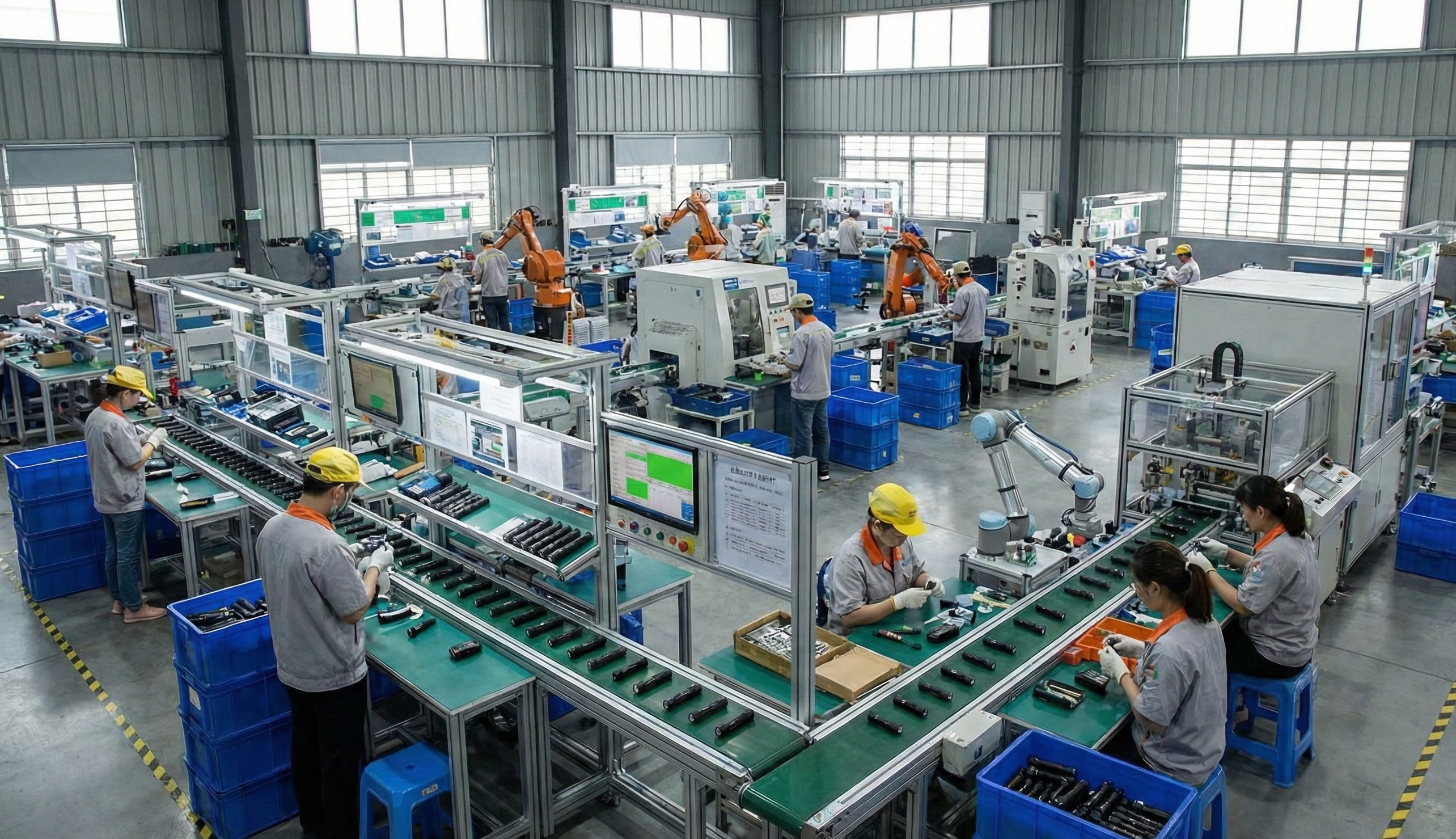
Have you ever imported merchandise from China and felt blindsided by hidden costs? These charges can sneak up on you—brokerage fees, port charges, insurance, and even last-mile delivery. If you ignore these hidden costs, your profits shrink fast. You might notice this with products like the helius flashlight.
Brokerage fees
Port and terminal charges
Insurance costs
Last-mile delivery fees
Key Takeaways
Understand all hidden costs before importing. This includes brokerage fees, port charges, and insurance. Knowing these costs helps protect your profits.
Negotiate supplier fees and payment terms. Use your purchase history and local presence to get better deals. Always ask for a full breakdown of costs.
Plan for shipping delays and extra fees. Double-check your paperwork and work with reliable partners to avoid unexpected charges.
Supplier Fees in Importing from China
When you start sourcing products, supplier fees can catch you off guard. These costs add up fast and eat into your profits. If you want to keep your margins healthy, you need to understand every fee before you place an order. Let’s break down the main supplier fees you’ll see when importing goods from China.
Sample and Courier Charges
You want to check product quality before making a big order. Most suppliers in China charge for samples and shipping. Here’s what you can expect:
Express courier services for samples usually cost $6 to $15 per kilogram.
Shipping time for samples is quick—about 2 to 5 days.
Using third-party logistics can save you money compared to standard courier rates.
If you order several samples from different suppliers, these sourcing costs add up. Always ask for a full breakdown of sample and courier charges before you agree.
Payment Processing Costs
Paying your supplier isn’t free. Different payment methods come with their own fees and risks. Here’s a quick look:
Payment Method | Average Fees | Processing Time | Pros | Cons |
|---|---|---|---|---|
T/T (Telegraphic Transfer) | High bank fees, slow (2-5 days) | Global acceptance, preferred by suppliers | High fees, risk of fraud | |
Letter of Credit (L/C) | Hundreds to thousands of dollars | Often a week or more | Strong security | High costs, lengthy paperwork |
PayPal/Xoom | 3%-4% + fixed fee | Near-instant to 1-2 days | Fast for small transactions | Costlier for large orders |
Wise (Fintech) | Transparent fees, real rates | Hours to days | Clear budgeting | Not always accepted |
Escrow Platforms | 1%-5% of transaction value | Longer confirmation | Strong protection | Limited supplier use |
You need to factor these sourcing fees into your landed costs when importing goods from China.
Upfront Fee Negotiation
Don’t accept the first offer. You can often negotiate supplier fees and payment terms. Here are some strategies:
Strategy | Description |
|---|---|
Purchase history with the supplier | Repeat orders can lead to better terms and reduced upfront fees. |
Local presence in China | Having a local office or agent can improve payment terms and lower deposits. |
Industry competition | In industries with many suppliers, you have more room to negotiate fees. |
Scale of the buyer | Larger buyers can push for better terms based on their order size. |
Tip: If you’re sourcing from several suppliers, mention you’re comparing offers. This can help you lower hidden fees and get better deals.
Before you start importing from China, ask for a full list of all sourcing fees. Get everything in writing. This step will help you avoid surprises and keep your importing costs under control.
Shipping and Logistics Hidden Costs
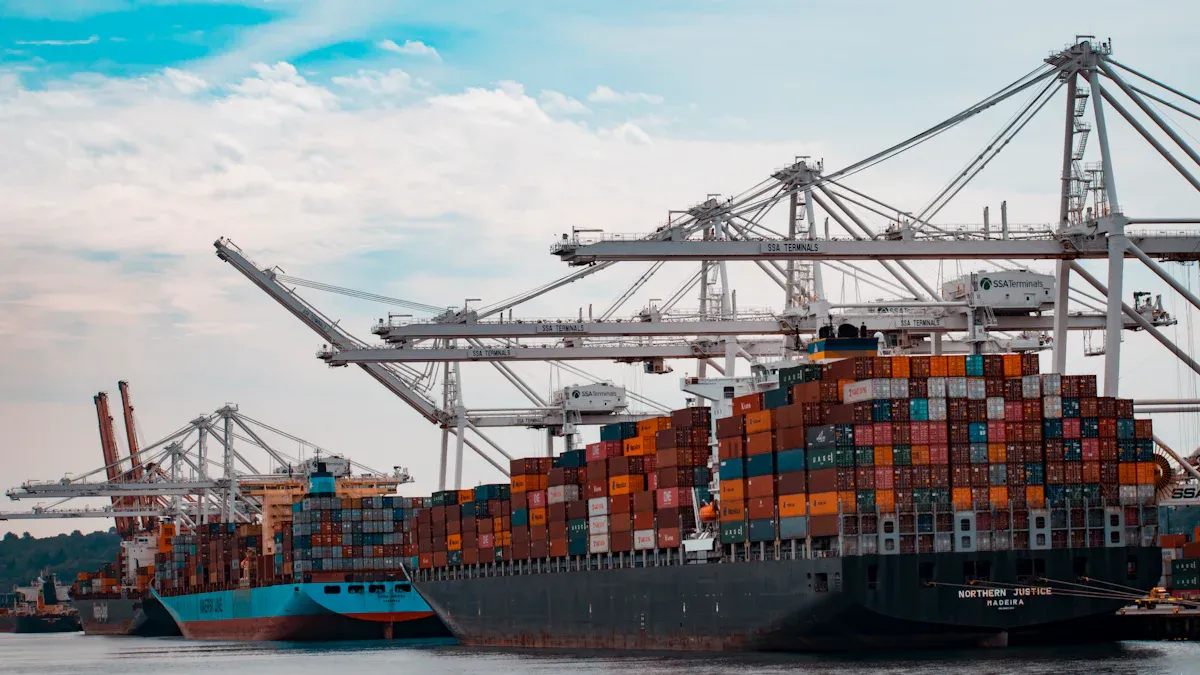
When you start importing from China, you might think you know the total costs. But shipping and logistics often bring unexpected charges that can surprise you. If you want to protect your profits, you need to understand how freight, port, and storage fees work. A good freight forwarder can help you avoid many headaches.
Freight and Port Charges
Freight rates change all the time. You might see one price today and a much higher one next week. Port fees also add up quickly. Here’s a quick look at average freight and port charges when shipping from China:
Freight Type | Average Cost |
|---|---|
Standard Air Freight | $5–$8 per kilogram |
Express Courier Services | $8–$12 per kilogram |
FCL (20-foot container) | $2,000–$3,500 |
FCL (40-foot container) | $3,500–$6,000 |
LCL (per CBM) | $50–$80 per CBM |
If you work with a reliable freight forwarder, you can often get better rates and avoid some unexpected charges.
Demurrage and Storage Fees
Delays at the port can cost you big time. Demurrage fees range from $75 to $300 per container per day. Imagine you leave 12 containers at the port for a week at $150 per day. You could end up paying $12,600 just in storage costs. A smart freight forwarder will help you plan ahead and avoid these expensive mistakes.
Incoterms and Shipping Terms
Incoterms decide who pays for what during shipping from China. If you choose the wrong terms, you might pay more than you expect. Here’s what you need to know:
Shipping quotes usually include:
Fees from the factory to the port
International freight charges
Delivery from the port to your warehouse
For small shipments, local fees can be higher than the main freight cost.
Many importers prefer FOB when importing from China because it’s widely accepted and can save money.
Incoterms set payment rules and risk transfer.
FOB and EXW are common in China. EXW works well if you have a local freight forwarder.
EXW lets you negotiate better prices by splitting product and logistics costs.
Tip: Always talk to your freight forwarder before finalizing shipping terms. They can help you avoid costly surprises and keep your importing process smooth.
Customs Duties and Tariffs in China Importing
Tariff Classification Issues
You might think tariffs are simple, but the reality is tricky. If you misclassify your products under the harmonized tariff schedule, you could face unexpected tariffs and higher costs. Customs can impose penalties, delay clearance, or even demand extra inspections. Here’s how mistakes impact your costs:
Impact Type | Description |
|---|---|
Increased Import Duties | |
Penalties | Fines from customs authorities |
Delays in Customs Clearance | Shipments held up at customs |
Additional Inspections | More checks, raising operational costs |
Supply Chain Efficiency | Slowdowns across your supply chain |
Accurate product categorization matters. Don’t rely only on supplier info. Use customs brokers or classification tools to avoid paperwork delays and costly errors.
Tax and VAT Surprises
Importing from China often brings tax and VAT surprises. If you miscalculate VAT or use the wrong HS code, customs can hold your shipment or charge back-payments. China’s standard VAT rate is 13% as of 2025, but import VAT is separate. You need to understand this difference for supplier negotiations. Misunderstanding shipping terms, especially DDP, can complicate VAT reclaim. Watch out for chinese clearance fees and uk customs clearance fees, which can sneak into your costs.
Miscalculating VAT leads to delays and fines.
Incorrect HS codes result in wrong tax payments.
Customs can flag your business for future scrutiny.
Calculating Total Landed Cost
You need to know your total landed cost before importing. This includes product cost, shipping, customs duties, taxes, risk, and overhead. Recent changes in tariffs and duties make this calculation more important than ever. Check out these updates:
Date | Change Description |
|---|---|
Apr. 24, 2025 | Elimination of the de minimis exemption for Chinese origin products, effective May 2. |
Apr. 8, 2025 | Increase in tariffs on imports of Chinese-origin goods, effective May 2. Duties of 90% ad valorem or $75 per item. |
Jun. 1, 2025 | Per item dollar amount for duties will increase to $150. |
When you calculate total landed cost, include:
Description | |
|---|---|
Product Cost | Unit price paid to the supplier, including manufacturing and packaging. |
Shipping Costs | Expenses for transporting goods, including freight and handling. |
Customs Costs | Duties, taxes, brokerage fees, and regulatory fees. |
Risk Costs | Insurance, compliance, and quality assurance expenses. |
Overhead Costs | Indirect expenses like personnel, due diligence, and payment processing fees. |
If you research tariffs, duties, and taxes in advance, you can avoid surprises and keep your importing costs under control.
Quality Control and Compliance Costs
When you start importing from China, you need to think about more than just the price of your products. Quality control and compliance costs can sneak up on you and hurt your profits if you ignore them. Many importers make common mistakes by skipping inspections or missing paperwork. Let’s break down what you need to know.
Inspection and Testing Fees
You want your products to meet your standards and avoid costly returns. Quality inspections in China usually cost between $149 and $320 per man-day, with an average around $299 per day. This fee covers 8 to 12 hours of work. If your factory is far from the inspector, you might pay extra for travel. Skipping inspections is one of the most common mistakes and can lead to big problems later.
Typical inspection cost: $299 per day
Range: $149–$320 per man-day
Extra travel fees may apply
Tip: Always budget for at least one pre-shipment inspection to catch issues before your goods leave China.
Certification and Documentation
You need the right paperwork to clear customs and prove your products are safe. Missing documents is a common mistake that can delay your shipment or lead to fines. Here are some documents and certifications you’ll need:
Harmonized System (HS) Code
Import licenses for certain products
CE, RoHS, or FCC certifications
Proforma invoice and packing list
Commercial invoice with HS code and value
Bill of Lading (B/L)
Certificate of Origin
Insurance certificate
You may also need a business license, ISO certificate, product test reports, and a customs declaration form. Check requirements for your product before importing.
Preventing Quality Issues
You can avoid costly mistakes by taking a few smart steps:
Diversify your supplier network. Don’t rely on just one factory.
Use strong quality control and inspection processes.
Review tariff classifications to lower duty costs.
Consider the first sale rule to reduce duties.
Look for suppliers in countries with better duty rates.
Note: Most quality issues and extra costs come from skipping steps or making common mistakes. Stay organized and double-check every detail.
Currency, Insurance, and Delay Risks in Importing
When you import from China, you face more than just supplier and freight costs. Currency swings, insurance gaps, and unexpected delays can all eat into your profits. Let’s break down how these risks affect your bottom line and what you can do to protect yourself.
Exchange Rate Fluctuations
Exchange rates change every day. If the Chinese RMB appreciates, your import prices drop. But the impact is not always simple. The final cost depends on product quality, market power, and how easily buyers can switch products. Here’s a quick look:
Key Findings | Description |
|---|---|
RMB Appreciation | Significantly lowers import prices. |
Exchange Rate Pass-Through | Not always complete or equal for all products. |
Influencing Factors | Quality, market power, and product type matter. |
You can use hedging tools like forward contracts to lock in exchange rates and avoid surprises in your freight bills.
Insurance and Risk Management
Insurance protects you from big losses during shipping and storage. You should consider several types of coverage:
Insurance Type | Description |
|---|---|
Product Liability Insurance | Covers injuries or damages from defective products. |
General Liability Coverage | Protects against claims from incidents at your business. |
Covers goods in transit by ocean, air, or land. | |
Warehouse Legal Liability | Protects products stored in third-party facilities. |
Cyber Coverage | Covers data breaches and e-commerce disruptions. |
Cargo insurance is a must for every freight shipment from China. It covers the product value plus a little extra, so you don’t lose everything if something goes wrong.
Planning for Delays and Extra Fees
Delays in shipping from China can happen for many reasons. Common causes include:
Incomplete documentation
Wrong HS code or product description
Incorrect value or missing signatures
Port congestion
Staffing shortages
Bad weather
Seasonal demand spikes
You can avoid extra costs by double-checking paperwork, working with reliable freight forwarders, and planning for busy seasons. Use risk management strategies like trade credit insurance and flexible contracts to handle unexpected changes in shipping or customs rules.
Tip: Always build extra time into your shipping schedule. This helps you avoid rush fees and keeps your costs under control.
Practical Tips for Avoiding Hidden Costs
Building Supplier Relationships
You can save money and avoid headaches by building strong relationships with your suppliers in china. When you trust your supplier, you get better quality control and more honest communication. This helps you spot hidden costs before they become a problem. For example, if you’re importing the helius flashlight, a reliable supplier will help you manage inspections and keep your freight on track. Good relationships also make it easier to negotiate prices and handle unexpected changes in shipping or customs.
Strong supplier partnerships give you more control over quality, reduce surprise costs, and help you manage freight and delivery risks.
Choosing Reliable Partners
Picking the right partners is key when you want to keep your costs low. Always check your supplier’s credentials and ask for samples of the helius flashlight before placing a big order. Work with a trusted freight forwarder who understands the ins and outs of shipping from china. You should also use a customs broker to help you avoid mistakes with tariffs and paperwork. Reliable partners make sure your freight arrives on time and your shipping costs stay predictable.
Import Cost Checklist for Helius Flashlight and More
Don’t let hidden costs sneak up on you. Use this checklist before you import the helius flashlight or any other product:
Shipping costs and freight charges
Customs duties and taxes
Insurance and extra fees
Documentation and compliance costs
Storage, delivery, and security deposits
If you follow these steps, you’ll keep your freight costs under control and protect your profits. When in doubt, talk to an expert or use a checklist for every shipment.
You face many hidden costs when importing from china. Stay ahead by focusing on quality control, smart logistics, and careful planning.
Watch for inspection fees, shipping charges, and cash flow issues.
Partner with reliable agents and use technology to manage costs.
Review your import strategy.
Set clear goals.
Take action today!
FAQ
What is the biggest hidden cost when importing from China?
You often overlook customs duties and taxes. These charges can surprise you and quickly add up. Always check the latest rules before you import.
How can you avoid delays at the port?
Double-check your paperwork. Work with a reliable freight forwarder. Plan for busy seasons.
Tip: Early planning helps you avoid costly storage fees.
Do you need insurance for every shipment?
Yes, you should get cargo insurance for every shipment. It protects your goods if something goes wrong during transit.
See Also
Key Factors To Evaluate When Buying A Headlamp
TSA Regulations And Helpful Tips For Flashlight Travel
Important Guidelines For Maintaining Your Flashlight