How to Evaluate Battery Life and Heat Control in High-Power Search Lights


Evaluating battery life and heat control in high-power search lights protects you from unexpected failures and ensures optimal performance.
Battery specifications influence reliability and safety in demanding environments.
Trade-offs between performance and safety affect energy density and cost.
You should match battery type, capacity, and runtime to your needs, especially when considering models like the helius flashlight.
Key Takeaways
Choose lithium-ion batteries with high mAh ratings for longer runtime in high-power flashlights.
Consider the thermal management features of searchlights, such as heat sinks and smart sensors, to prevent overheating.
Always match battery specifications to your usage needs to ensure reliable performance and safety.
Battery and Runtime in Flashlights
Battery Types and mAh Ratings
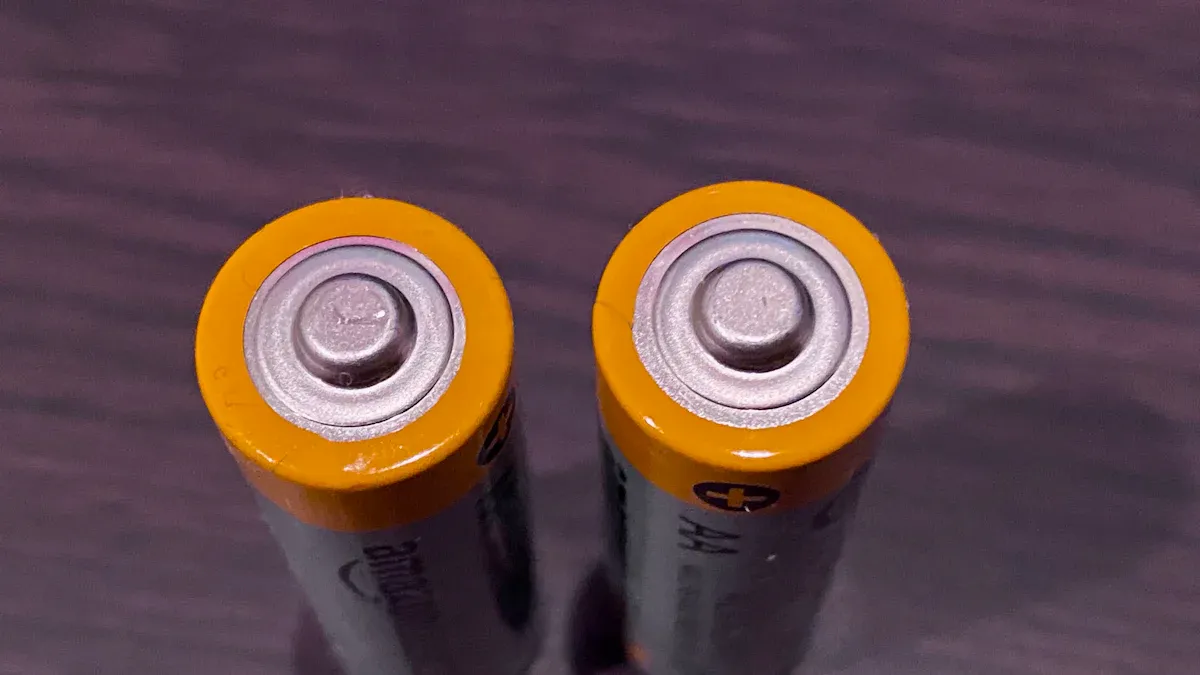
You need to understand the types of batteries that power high-performance flashlights. Most super bright flashlights use lithium battery technology because it offers high energy density and reliable performance. The most common rechargeable lithium-ion batteries include 18650 and 21700 cells. These batteries deliver strong output and long battery life for demanding tasks.
Battery Type | Typical mAh Rating |
|---|---|
Lithium-ion (Li-ion) | 2500 - 3600 mAh (18650) |
Lithium-ion (Li-ion) | 5000 mAh or more (21700) |
Nickel-cadmium (NiCd) | N/A |
The mAh rating, or milliampere-hour, measures battery capacity. Higher mAh means the flashlight can run longer before you need to recharge or replace the battery. You should always check the flashlight battery type and its capacity to match your expected usage.
Amps, Discharge Rate, and Turbo Mode
The amp rating and discharge rate of a lithium battery affect how much power your flashlight can draw, especially in turbo mode. Turbo mode pushes the led flashlight to its maximum brightness, which requires a battery with a high discharge rate. If the battery cannot supply enough amps, the flashlight may dim or exit turbo mode quickly.
A high-discharge lithium battery, such as an AWT cell rated at 45A, supports turbo mode longer than lower-rated options.
Some models, like the Sofirn SP33 V2.0, struggle to maintain turbo mode with their original flashlight batteries.
You get longer turbo mode usage with batteries that have higher discharge rates.
You should always select a battery that matches the power demands of your flashlight, especially if you use turbo mode often.
Long Battery Life and Runtime Comparison
Battery life depends on both battery capacity and the efficiency of the flashlight. You can compare models by looking at their maximum runtime under continuous use. Here is a comparison of popular high-power search lights:
Model | Max Runtime |
|---|---|
H.I.D. LiteBox® | 1.75 hours (indefinite with 12V DC) |
X75 Brightest Power Bank | 8 hours 20 minutes |
You should also consider how battery chemistry affects runtime. For example, standard LiCoO₂ lithium batteries show visible dimming when the state of charge drops below 38%. LiFePO₄ cells maintain stable output until they reach 15% capacity, which means you get more consistent brightness.
Battery Type | Capacity (mAh) | Cycle Life (Cycles) | Voltage Drop Characteristics | Usable Runtime Impact |
|---|---|---|---|---|
Standard LiCoO₂ | 4,000 | 300 | Nonlinear drop below 3.4 V | Visible dimming at 38% SoC |
NMC | N/A | 600 | 1.3% CCT drift per 10% SoC | Requires thermal monitoring |
LiFePO₄ | N/A | 1,200 | Stable discharge until 15% | 91% capacity retention at 3.65 V ceiling |
You should always match the battery specifications to your expected usage scenario. Follow these steps:
Check the device’s manual for recommended battery chemistry, size, and capacity.
Assess the power consumption and decide how long you need the flashlight to run.
Verify that the battery voltage matches the flashlight’s requirements.
The table below shows how battery capacity relates to typical runtime and usage scenarios:
Capacity Range (mAh) | Typical Runtime (hours) | Usage Scenario |
|---|---|---|
2000 – 5000 | Up to 10 | Personal use, short-term emergency lighting |
5000 – 10000 | 10 – 20 | General-purpose, regular use |
10000 – 20000 | 20 – 40 | Industrial-grade, extended use |
Above 20000 | Exceeding 40 | Specialized, heavy-duty, long-term lighting |
Tip: Always review the specifications for battery type, claimed brightness, and runtime. Compare different models, such as the helius flashlight, by conducting durability tests that measure lumen maintenance, runtime, and resistance to impact and water.
Environmental factors also affect battery performance. High temperatures can reduce battery life, cause capacity loss, and even risk thermal runaway. Low temperatures decrease capacity and efficiency, and charging in the cold can damage the lithium battery.
Temperature Condition | Effect on Battery Performance | Description |
|---|---|---|
High Temperatures | Reduced Battery Life | Accelerated degradation, increased resistance, reduced lifespan |
Capacity Loss | Formation of layers that hinder ion flow, reducing charge capacity | |
Risk of Thermal Runaway | Uncontrollable temperature rise, risk of fire or explosion | |
Low Temperatures | Reduced Capacity and Efficiency | Slower ion movement, temporary capacity decrease, quicker discharge |
Potential for Permanent Damage | Charging in cold can cause internal short circuits | |
Delayed Charging and Reduced Efficiency | Increased viscosity slows ion flow and charging process |
You should always consider the environment where you will use your flashlight. Choose a lithium battery with the right capacity and chemistry for your needs. This approach ensures you get reliable power and long battery life from your rechargeable flashlight.
Heat Control and Searchlight Performance
Heat Sink and Material Design
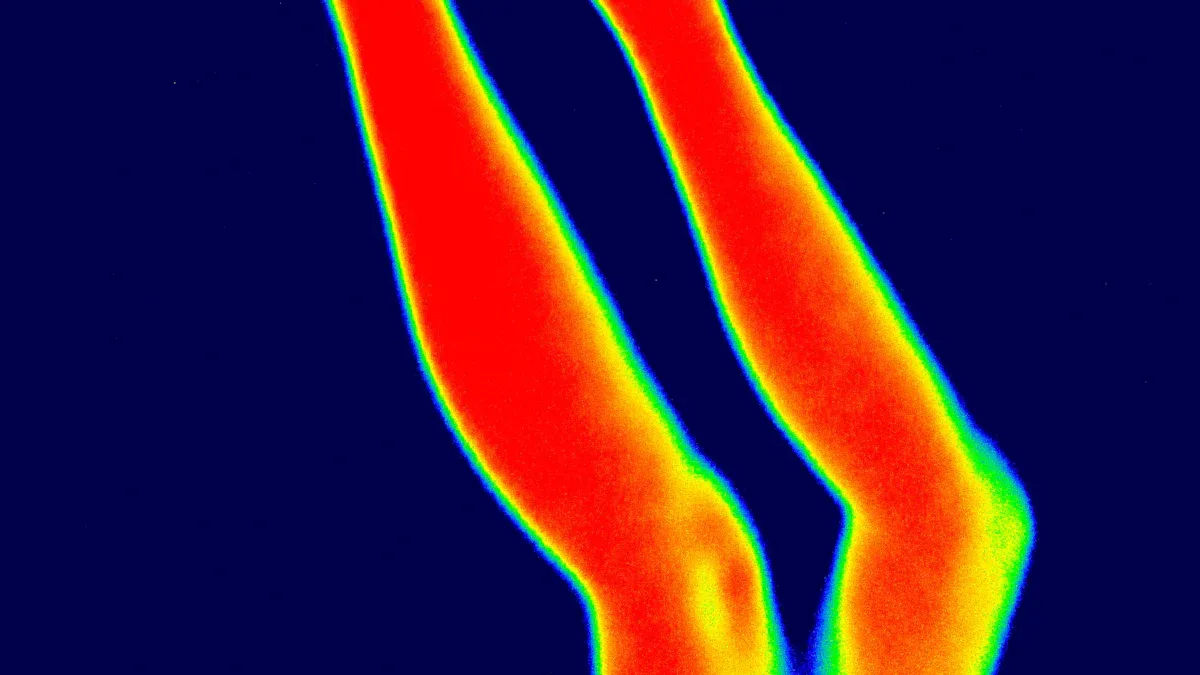
You must pay close attention to heat sink design and material selection when evaluating high-power search lights. Heat sinks play a critical role in dispersing heat generated by the power electronics and the light source. They use conduction, convection, and radiation to move heat away from sensitive components. The choice of material directly impacts how efficiently your searchlight manages heat.
Material | Thermal Conductivity (W/m·K) | Density (g/cm³) | Description |
|---|---|---|---|
Aluminum | 200–235 | 2.7 | Lightweight, easy to machine, and cost-effective for most electronics. |
Copper | 385–400 | 8.9 | Superior conductivity, heavier, and ideal for high-heat applications. |
Metal-matrix composites | 200–600 | 2.5–4.0 | Customizable blend for advanced cooling and low expansion. |
Aluminum remains the most popular choice for heat sinks in super bright flashlights and tactical flashlights due to its balance of weight, cost, and thermal performance. Copper offers the highest thermal conductivity, making it suitable for searchlights that demand maximum brightness output and sustained runtime. Metal-matrix composites provide advanced solutions for specialized needs, such as aerospace or heavy-duty industrial lighting.
The geometry of the heat sink also matters. Thinner, taller fins increase the surface area, which improves airflow and heat dispersion. You should look for searchlights with well-designed fin structures and housings made from die-cast aluminum. These features help maintain battery performance and extend battery lifespan by keeping internal temperatures stable.
Tip: For optimal performance, choose searchlights that combine high-conductivity materials with efficient fin designs. This approach ensures your lithium battery and power electronics stay within safe operating temperatures.
Thermal Management Systems
Thermal management systems in high-power searchlights use several strategies to prevent overheating and protect both the battery and the light source. You will find both passive and active cooling methods in modern designs.
Heat Sink Integration: Most searchlights use aluminum or copper heat sinks with fins to boost thermal dissipation.
Active Cooling Systems: Some high-output models include sealed fans or even liquid cooling to handle extreme power loads.
Thermal Interface Materials: Thermal pastes and pads fill gaps between components, improving heat transfer.
Housing as a Heat Dissipator: Many searchlights use die-cast aluminum casings to spread heat over a larger area.
Smart Thermal Control Systems: Advanced models feature electronic sensors that monitor temperature and adjust power output to prevent overheating.
Passive cooling methods rely on the natural movement of air and the thermal conductivity of materials. These systems are reliable because they do not require extra power or moving parts. Active cooling, such as fans, increases heat dissipation and is essential for searchlights with very high power demands. You should consider the type of thermal management system based on your expected usage and the battery capacities required for your tasks.
Note: Prolonged exposure to high temperatures can damage the lithium battery, reduce light output, and shorten the long cycle life of your searchlight. Overheating also increases the risk of electrical malfunctions and fire hazards. Always check for built-in safety features like thermal sensors and automatic power regulation.
Testing for Overheating in Flashlights
You need reliable methods to test for overheating in high-power searchlights. Accurate testing ensures that your flashlight operates safely and maintains consistent searchlight performance. The following table outlines the key equipment requirements for effective thermal testing:
Equipment Requirement | Specification Details |
|---|---|
Temperature range | Must read from −10°C to at least 120°C |
Thermal sensitivity (NETD) | ≤ 100 mK—detects subtle temperature changes |
Minimum focus distance | ≤ 0.3 m—for inspecting small components |
Emissivity setting | Adjustable (0.85–0.95 for PVC-insulated wires) |
You should use thermal cameras or infrared thermometers that meet these specifications. During testing, monitor the temperature of the battery, power circuits, and LED emitter. If you notice rapid temperature rises or hot spots, the searchlight may lack adequate safety features or thermal management.
Poor heat control can lead to serious safety risks, including electrocution, equipment burn-out, and fire hazards. You can mitigate these risks by choosing searchlights with advanced thermal management systems, such as thermal sensors and heat-absorbing insulation. Always verify that your rechargeable lithium battery operates within the recommended temperature range to preserve battery capacity and ensure long cycle life.
The helius flashlight stands out for its effective heat management system. Models in the 30W range deliver a strong balance of heat control and high output, making them ideal for professional use. These searchlights maintain sustained brightness and prevent overheating, which supports both battery performance and searchlight performance. In contrast, lower-quality models may overheat quickly, reducing runtime and compromising safety features.
Callout: Always prioritize searchlights with robust thermal management and safety features. This choice protects your lithium battery investment and guarantees reliable operation in demanding environments.
You can evaluate high-power search lights by following these steps:
Choose high-quality batteries for long battery life.
Store and charge batteries correctly.
Maintain battery contacts.
Consider these factors:
Waterproofing
IP ratings
Dust resistance
Temperature tolerance
Standard | Description |
|---|---|
DIN EN IEC 62984 | Requires precise thermal control for high-temperature batteries. |
Modern search lights use AI and advanced battery chemistries to improve battery life and heat control.
FAQ
How do you choose the best searchlight for outdoor use?
You should check battery life, heat control, and durability. Select a searchlight with waterproof housing and strong thermal management for reliable performance in harsh conditions.
What features help prevent overheating in a searchlight?
Manufacturers use heat sinks, smart thermal sensors, and aluminum housings. These features help your searchlight maintain safe temperatures and protect battery life during extended use.
Can you use search and rescue flashlights as a searchlight for industrial tasks?
You can use search and rescue flashlights as a searchlight in industrial settings. They offer high output, robust heat control, and long battery life for demanding environments.
Tip: Always test your searchlight in real-world conditions before relying on it for critical tasks.
Feature | Benefit |
|---|---|
Heat sink | Prevents overheating |
High mAh battery | Extends searchlight runtime |
Waterproof case | Protects searchlight outdoors |
See Also
Maximize Your Flashlight Battery Life With These Simple Tips
How to Select the Perfect Battery for Your Flashlight
A Guide to Understanding Rechargeable Flashlight Discharge Rates