How to Choose the Right High-Lumen Search Light for Professional & Industrial Use

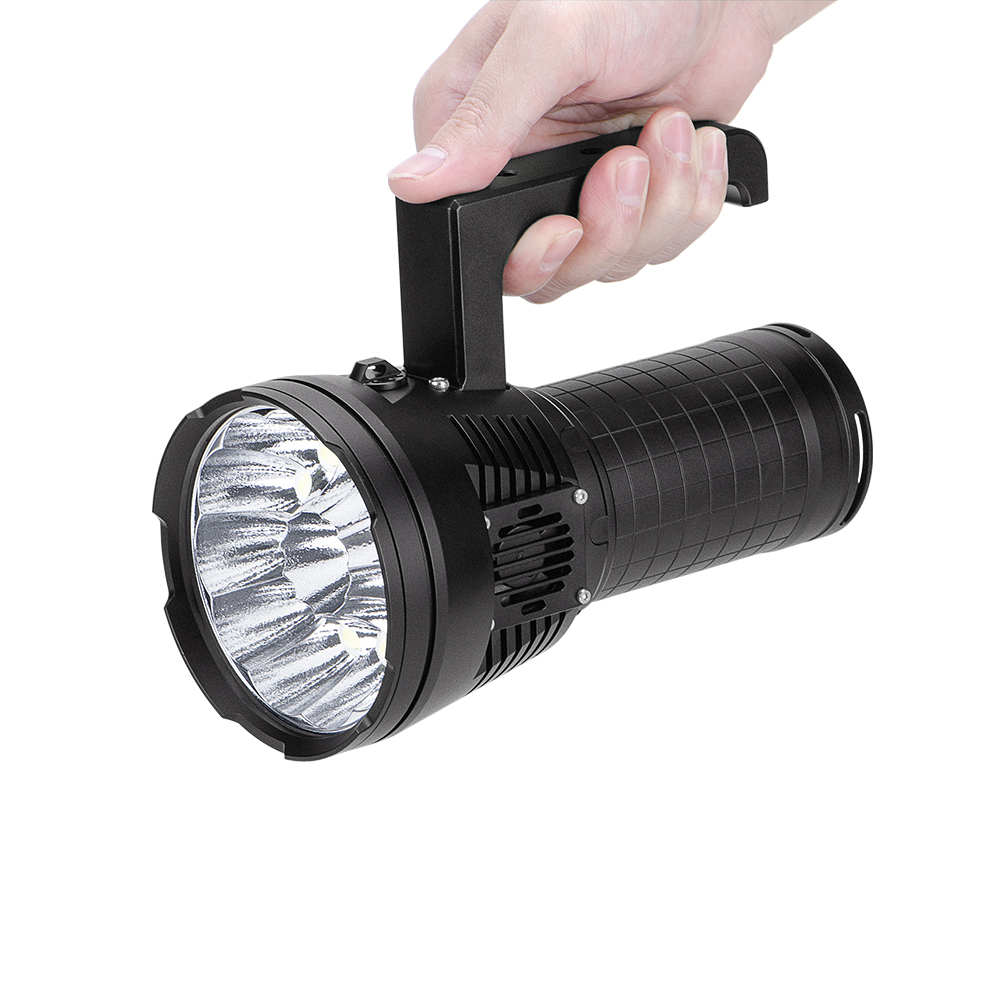
You need a Search Light that fits your work and space. Bad lighting causes about 30% of work accidents. High-lumen models help keep people safe and work better.
Benefit | Description |
|---|---|
Better Visibility | Bright light helps you see better and spot dangers. |
Increased Alertness | Workers pay attention and get more done with good light. |
Key Takeaways
Pick a Search Light with 5,000 lumens or more for big spaces. This helps keep people safe and lets you see well.
Check for a high IP rating like IP67 or IP68. This means the light will last in wet or tough places.
Think about how easy it is to move and use. Choose a light you can carry and set up fast in emergencies.
Define Your Search Light Needs
Application and Environment
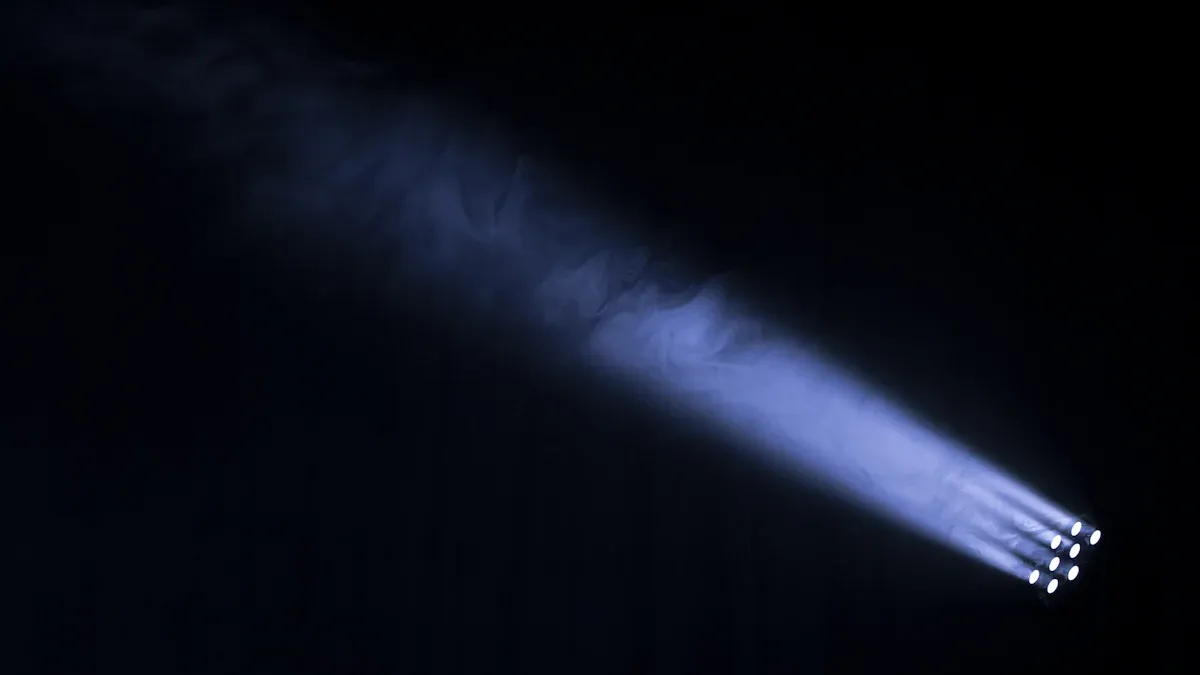
First, think about where you will use the Search Light. Each job needs a different kind of light. Emergency responders need strong beams to find people in the dark. Military teams use Search Lights to watch areas and light up targets. People who plan outdoor events use these lights to help everyone see and make things look exciting. Crews on ships put Search Lights on their boats to help them see and avoid danger. Workers at construction sites use these lights at night for safety and to see their work.
Application Type | Description |
|---|---|
Search and Rescue Operations | Used by emergency responders to locate missing persons or objects in dark areas. |
Military Operations | Utilized for reconnaissance, surveillance, and target illumination by military forces. |
Outdoor Events | Employed at concerts and festivals to enhance visibility and create dramatic effects. |
Maritime Navigation | Installed on ships to aid in navigation and illuminate hazards in marine environments. |
Construction and Industrial | Provides temporary lighting for nighttime work and security at construction and industrial sites. |
Brightness and Coverage
Think about how bright the Search Light should be. Also, think about how wide the beam needs to go. High-lumen Search Lights are very bright. They work well for big spaces or when you need to see far away. If you work outside or need to see things that are far, pick a light with a wide beam and high lumen output. For jobs that are close up, a focused beam is better. Always pick a light that fits your job and space.
Portability and Mounting
It is important to know how easy it is to move the Search Light. Small and light designs are easy to carry. You can set them up fast. This helps first responders work quickly in emergencies. Inflatable light towers fit in small or bumpy places. They give good light when you do not have regular power.
When you choose between handheld and mounted lights, think about what is best for you:
Feature | Weapon-Mounted Lights | |
|---|---|---|
Flexibility | High - can be used without a firearm | Low - requires a firearm to use |
Everyday Use | More practical for daily needs | Specialized tool, not daily necessity |
Holster Setup | No extra bulk, easy to carry | Bulkier, requires specific holsters |
Comfort | Generally more comfortable | Can be uncomfortable due to added weight |
Battery Maintenance | Less frequent | Requires regular checks and replacements |
Risk in Close Quarters | Lower risk of disorientation | Higher risk of photonic barriers and disorientation |
Tip: Pick a Search Light that is easy to move and fits your work area. Being able to carry your light helps keep you safe and lets you work faster, especially if you are far from help or in a tough spot.
Search Light Specifications and Features
Lumens and Beam Range
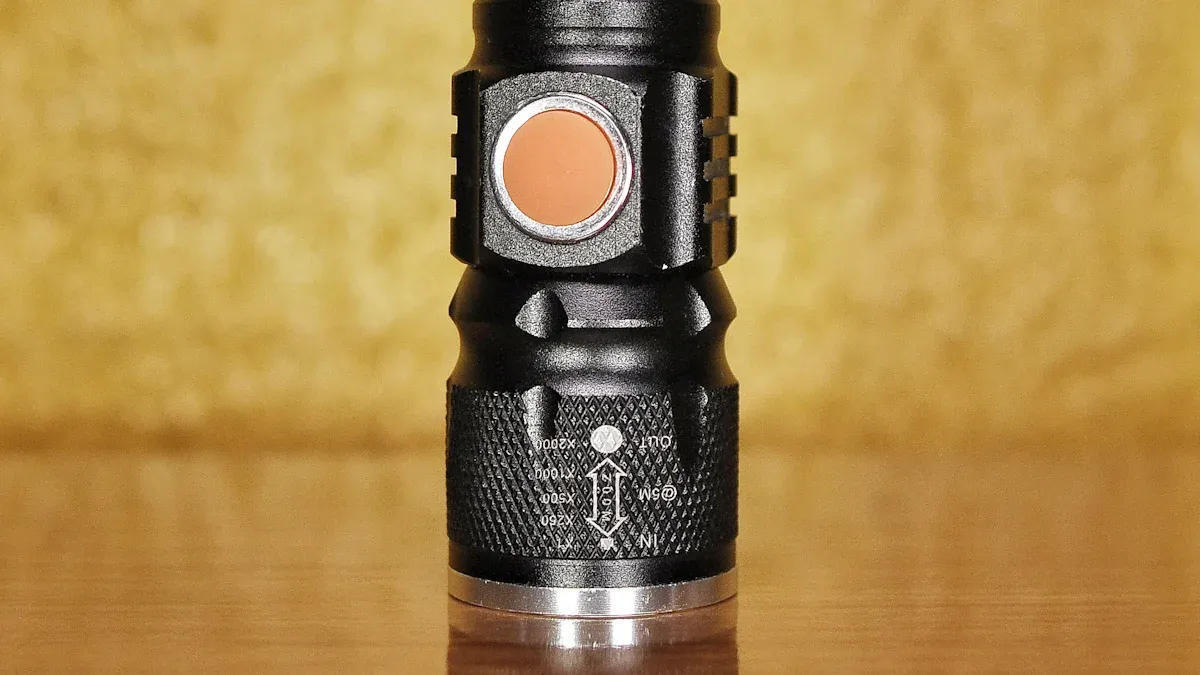
When you pick a Search Light, look at lumens and beam range. Lumens show how bright the light is. For search and rescue, you need at least 3,000 lumens to see well in the dark. Many industrial Search Lights have 5,000 lumens or more. This helps you light up big areas.
Beam range tells you how far the light can go. If you work with small parts or need close-up light, a beam distance of 2–10 meters is best. For checking equipment, you need a beam that reaches 20–50 meters. Security patrols and rescue teams need a Search Light with a beam range over 100 meters. This lets you see far and keeps your team safe.
The ANSI FL1 standard helps you compare Search Lights. It gives tested results for brightness, beam distance, and run time. You can trust products with the ANSI FL1 icon because they meet industry rules.
Aspect | Description |
|---|---|
Standard Name | ANSI/PLATO FL1 2019 Standard |
Purpose | Gives ways to test and report on portable lighting products, including search lights. |
Importance in Industry | Makes sure performance claims are tested to industry standards, so you can compare products. |
Consumer Confidence | ANSI FL1 icons on packaging show the product was tested for its claims. |
Tip: Always look for ANSI FL1 ratings when you compare Search Lights. This helps you choose a model that fits your needs.
Battery Life and Power Source
Battery life is important if you use a Search Light for a long time. LED Search Lights often last between 30,000 and 50,000 hours. They give strong light from 5,000 to over 20,000 lumens. This means you can work longer without changing batteries.
You need a good power source, especially in faraway places. High-capacity portable battery systems work better than diesel generators. They are quiet and easy to move. Solar battery lighting systems use sunlight to charge batteries. These systems help you work at night or when you do not have grid power. Portable battery power systems do not make emissions, so they are better for the environment.
Battery Type | Environmental Impact | Disposal Considerations |
|---|---|---|
Alkaline Batteries | Add to landfill waste and can release harmful chemicals. | Single-use, so they make more waste. |
Lithium Batteries | Work better but can be risky if not thrown away right. | Bad disposal can release harmful chemicals. |
Rechargeable Batteries | Better for the planet, making less waste and needing fewer new batteries. | Can be used many times, so there is less waste. |
Note: Rechargeable batteries help you save money and are better for the planet.
Durability and Waterproof Ratings
You need a Search Light that can handle tough jobs. Durability ratings show how well a Search Light stands up to dust, water, and rough use. The IP rating tells you how much protection the light has.
IP Rating | Protection Level | Applications |
|---|---|---|
IP65 | Dust-tight, protected against low-pressure water jets | Moderate weather, deck-mounted searchlights |
IP66 | Dust-tight, handles strong water jets | Commercial ships, offshore platforms |
IP67 | Dust-tight, can go underwater up to 1 meter | Small boats, emergency vessels |
IP68 | Dust-tight, can stay underwater past 1 meter | Underwater navigation, ROVs |
IP69K | Dust-tight, handles high-pressure, hot water jets | Industrial marine gear, military vessels |
IP67 means the Search Light is dustproof and can go underwater up to 1 meter for 30 minutes.
IP68 gives even better protection for hard outdoor work.
IP67 and IP68 ratings make Search Lights safe for flood-prone areas, outdoor events, and marine use.
Tip: Pick a Search Light with a high IP rating if you work outside or near water.
Controls and Certifications
Controls should be easy to use, even with gloves. You need simple switches and clear settings. Safety certifications matter in some jobs. Look for Search Lights that meet these rules:
NEC Requirements: These guide electrical setups in dangerous places in North America. They need explosion-proof lighting.
ATEX Directives: These are rules in the EU for gear in explosive places. They use protection levels like Ga, Gb, and Gc.
IECEx Standards: These are world rules that help keep workers safe and follow global laws.
Note: Always check for safety certifications before you buy a Search Light for work.
Color Temperature
Color temperature changes how well you see and how tired your eyes get. Cool light (5000K–6500K) is best when you need to see clearly. It helps you stay awake, but using it too long can make your eyes dry and tired. A color temperature of 5000K looks like daylight and helps you see details without hurting your eyes. This is good for offices, labs, and places where you need to focus.
If you work in fog, dust, or snow, warm yellow light under 4500K works better. It cuts through fog and reduces glare. Lights between 3000K and 4300K help you see in bad weather and keep your eyes comfortable.
Color Temperature Range | Description | Benefits |
|---|---|---|
<4500K | Warm Yellow Light | Best for dusty, foggy, or snowy places; cuts glare and reflections; helps you see better and keeps your eyes comfy. |
Warm color temperature fog lights look yellow and help you see better in fog.
Use 3000K–4300K lights for rain, snow, or fog to see better.
Comparing Brands and Testing
You should compare brands before you buy a Search Light. Top brands include Streamlight, Underwater Kinetics, Bright Star Lighting, Emissive Energy, Princeton Tec, Petzl, Pelican, SureFire, FoxFury, Fenix, Ledlenser, KBS Innovations, and Nightstick Flashlights.
When you test Search Lights, look at these things:
Light Output: Check the lumens. For most jobs, 500 lumens is enough, but you may need over 1,000 lumens for long distances.
Beam: A narrow beam feels brighter and goes farther.
Size and Weight: Pick a Search Light that is easy to carry.
Battery Life: Make sure the battery lasts long enough for your work.
Water Resistance: Choose a Search Light that can handle rain or splashes.
Warranty terms also matter. Some brands offer long warranties, like Lighting Services Inc with 12 years of coverage for defects. Others, like Venture Lighting, offer one year. Always check the warranty before you buy.
Tip: Read user reviews and test Search Lights in real life. This helps you find the best model for your needs.
Follow these steps to select the right Search Light for your work:
Check lumen output, color temperature, and beam angle.
Choose a high IP rating for durability.
Look for dimming options.
Benefit | Description |
|---|---|
Energy Savings | LEDs use less energy and last longer, saving you money. |
Use these tips to make a smart, confident choice.
FAQ
What is the best lumen range for industrial search lights?
You should choose a search light with at least 5,000 lumens for large areas. Higher lumen models improve visibility and safety.
How do you maintain a search light for long-term use?
Tip: Clean the lens regularly. Check battery health often. Store your search light in a dry place to prevent damage.
Can you use search lights in wet or harsh environments?
Look for IP67 or IP68 ratings. These models resist water and dust. You can use them outdoors or in tough conditions.
See Also
Selecting The Perfect High-Powered Flashlight For Your Needs
Finding The Ideal Headlamp Flashlight For Your Activities
Must-Have Headlamps For Convenient Hands-Free Lighting Solutions