How to Build a Long-Term Partnership with Chinese Manufacturers

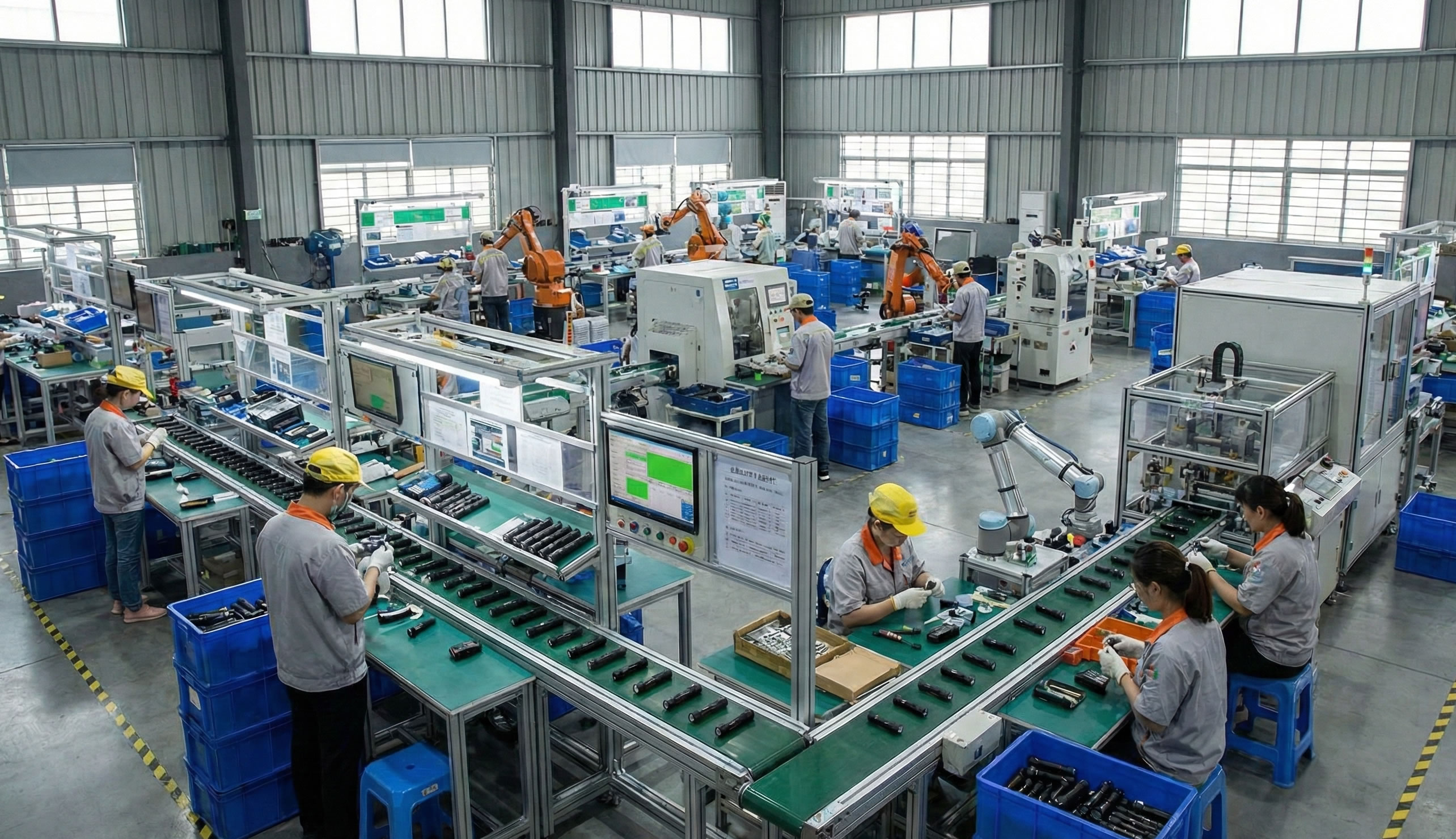
You build a long-term partnership with Chinese manufacturers by prioritizing trust and clear communication. Face-to-face meetings help you establish guanxi, which is vital for relationship-building. In 2023, China accounted for 29% of global manufacturing output. Strong legal frameworks and quality controls protect your interests. Warm introductions and regular visits foster a long-term partner who values mutual respect.
Key Takeaways
Establish trust through face-to-face meetings and clear communication. This builds strong relationships and reduces misunderstandings.
Conduct thorough vetting of manufacturers by checking their legal status, financial health, and reputation. This ensures you choose reliable partners.
Draft detailed contracts that specify quality standards and inspection procedures. This protects your interests and fosters accountability.
Choosing Chinese Manufacturers

Vetting and Due Diligence
You should start by researching potential chinese manufacturers through search engines and B2B directories. Check their profiles, reviews, and feedback from other buyers. Always verify business licenses, permits, and certifications with local authorities. Use Chinese court databases to check for legal issues. Call the supplier’s landline to confirm their contact information.
Tip: Investigate the company’s ownership, financial health, and legal history. Assess their reputation in the industry and review their track record with intellectual property rights.
Key Due Diligence Steps:
Verify legal names in Chinese.
Assess financial stability and debt levels.
Ensure compliance with regulations.
Check for necessary licenses, especially for polluting processes.
Review litigation history and client feedback.
Factory Visits and Warm Introductions
Visiting the factory gives you real-world context for operations. You can observe production processes, quality control, and employee stability. Face-to-face meetings show commitment and professionalism, which strengthens business relationships.
Warm introductions play a vital role in Chinese business culture. An introduction from a trusted contact acts as a credibility shortcut, lowering risks and building trust quickly.
Aspect | Impact on Partnerships |
|---|---|
Factory Tour | Enhances understanding of reliability and operations. |
Building a Partnership | Fosters mutual respect and collaboration beyond transactions. |
Face-to-Face Interactions | Reinforces commitment and eases concerns about quality and supply chain. |
Evaluating Strengths and Track Record
You should evaluate chinese suppliers based on more than just price. Focus on management quality, employee stability, and production capacity. Review their export experience, quality standards, and corporate social responsibility.
Past performance data, such as on-time delivery rates and reorder rates, can reveal reliability.
Criteria | Description |
|---|---|
Management Quality | Superior management ensures reliability. |
Employee Stability | Stable workforce maintains quality and productivity. |
Production Capacity | Ability to meet schedules supports smooth operations. |
Communication & Service | Effective communication prevents errors and boosts satisfaction. |
Building strong business relationships with chinese manufacturers requires careful selection, thorough vetting, and ongoing engagement.
Building Lasting Supplier Relationships

Clear Communication and Mutual Respect
You must prioritize clear communication to build lasting supplier relationships with chinese manufacturers. Cultural differences can create misunderstandings, so you need to bridge these gaps with practical strategies. Invest in a skilled interpreter for complex negotiations. Use simple language and visual aids to clarify your points. Summarize key agreements to confirm understanding. Pay attention to non-verbal cues and body language. Avoid direct confrontation and use indirect language to maintain harmony. Lead with relationship-building and show respect through proper titles and greetings. Host visits to humanize your company and give personalized gifts as gestures of goodwill.
Mutual respect enhances trust, which is essential for a successful relationship. Consistent results build trust over time. Clear communication, rooted in mutual respect, reduces misunderstandings and improves efficiency. You should focus on building rapport and trust before discussing business specifics. Be patient and allow for longer pauses in conversation. Seek to understand the underlying meaning and context. Understanding guanxi and leveraging social networks will help you establish effective relationships with manufacturers.
Contracting and Quality Requirements
Drafting a detailed contract is critical when working with chinese manufacturers. You need to lock quality into your contract by specifying clear quality standards and inspection procedures. Use structured contracts to outline payment and delivery schedules. Include penalties for delays or defects. Specify dispute resolution clauses, such as arbitration in a neutral jurisdiction. A contract should define product specifications and inspection standards to reduce disputes.
Essential Element | Description |
|---|---|
Specific Quality Standards | Define clear benchmarks for product quality and incorporate certifications like ISO. |
Detailed Inspection Procedures | Outline steps for inspections at various production stages to monitor quality. |
Penalties for Non-Compliance | Specify financial penalties for failing to meet quality standards to encourage accountability. |
Approval and Rejection Processes | Clearly define criteria for accepting or rejecting products and establish a structured process. |
You must lock quality into your contract to ensure compliance. Quality standards should be measurable and agreed upon by both parties. Detailed inspection procedures help monitor quality throughout production. Penalties for non-compliance encourage accountability. Approval and rejection processes provide clarity and structure. These elements protect your interests and foster lasting supplier relationships.
Bills of Materials and Pricing Provisions
A detailed bill of materials (BOM) gives you transparency over components and their costs. This transparency is crucial for effective negotiation with manufacturers. Understanding the BOM helps you maintain control over the supply chain and reduces risks related to pricing and quality. Knowing sub-supplier names and prices empowers you to negotiate better terms and switch suppliers if necessary.
Suppliers may resist transparency to maintain customer dependency, making it harder for you to switch to competitors. Cost transparency allows you to assess the manufacturer's profit margins and question operational costs. If you own product design IP, you should know the BOM to avoid overpaying for manufacturing. An open BOM enhances negotiation power, especially if you have market leverage.
Transparent pricing provisions prevent misunderstandings in long-term partnerships with chinese manufacturers. Both parties understand costs and payment terms, reducing the risk of disputes. Trust is fostered through open communication, which is essential for a successful relationship.
Regular Interaction and Transparency
Regular interaction with manufacturers enhances innovation quality and strengthens your supplier relationship. Collaboration allows you to leverage diverse perspectives and resources. You should invest in relationship-building activities, such as regular in-person visits and ongoing transparency. Discuss long-term plans from the start to align goals and expectations.
Trust is built over time, leading to better cooperation as the relationship matures. Long-term clients are prioritized by manufacturers, enhancing collaboration. Direct access to factory owners facilitates quicker problem resolution. Increased transparency in communication improves overall cooperation. Understanding cultural nuances and investing in relationship-building activities enhances trust and collaboration.
Strong supplier relationships lead to better negotiation outcomes. Trusted manufacturers are more likely to offer favorable terms. Relationship-building, or guanxi, is essential in Chinese business dealings. You gain improved communication, better quality control, preferential treatment for orders, and potential cost advantages. Significant returns in quality and reliability, prioritized treatment, and competitive advantage in the supply chain are long-term benefits of investing in relationship-building.
Ensuring Long-Term Partnerships
Handling Challenges and Disputes
You will face challenges when building long-term partnerships with manufacturers in china. Disputes often arise over contract breaches, product quality, supplier fraud, or refund refusals. You must address these issues quickly to protect your interests and maintain trust.
Type of Dispute | Description |
|---|---|
Breach of Contract | Disputes arising from suppliers failing to meet contractual obligations. |
Product Quality Issues | Issues related to products not meeting quality expectations, leading to potential refunds. |
Supplier Fraud & Scam | Cases where suppliers deceive buyers into paying for undelivered goods or services. |
Refusal of Refund | Conflicts over unfair refund policies that frustrate clients. |
Other Related Disputes | General issues such as missed deadlines, payment disputes, and problems with goods or services. |
You can manage disputes by preparing early and identifying assets before legal action. Continue monitoring the manufacturer’s actions to prevent asset loss. Look beyond assets and understand the manufacturer’s history and connections. Plan for different outcomes, including worst-case scenarios, to reduce risk. When negotiating terms, set clear expectations and use dispute resolution clauses. Open communication and a problem-solving mindset help rebuild trust and strengthen relationships.
Adapting to Change and Continuous Improvement
Long-term partnerships require you to adapt to changes in china’s manufacturing sector. Focus on infrastructure development to reduce delivery times and costs. Embrace the digital economy to improve logistics and payment systems. Adjust to new regulations that support transparency and lower trade costs. Engage in regional partnerships to promote common standards and reduce barriers.
You should implement quality control by inspecting facilities and testing products. Keep communication open to address challenges and build trust. Invest in joint projects and training to reinforce relationships. Use technology to streamline processes and improve efficiency. Collaborate on sustainability practices for ethical growth.
Long-term partnerships with manufacturers in china give you access to advanced technology, a vast market, and innovation opportunities. These relationships support business growth, stability, and mutual trust. By negotiating terms openly and focusing on continuous improvement, you create a foundation for lasting success.
You build lasting partnerships with Chinese manufacturers by investing in relationship-building, loyalty, and clear communication.
Inspect samples and use third-party checks for quality control.
Draft detailed contracts and maintain regular interaction to foster trust.
Negotiate MOQs and protect your intellectual property.
Relationship Type | Benefit |
|---|---|
Strategic Partnership | Better terms, support, and flexibility |
Transactional Relationship | Limited negotiation on price and quality |
Apply these strategies to achieve sustainable success and reliable supplier relationships.
FAQ
How can you negotiate better terms with Chinese suppliers?
You should research market rates, build a strong relationship, and use clear sourcing strategies. Regular interaction helps you negotiate pricing, delivery, and quality assurance.
What steps improve sourcing efficiency with supply chain partners?
You can streamline sourcing by sharing accurate bills of materials, maintaining transparency, and fostering a healthy relationship. Joint mutual growth strategies with suppliers boost efficiency.
Why is quality assurance important in supplier relationships?
Quality assurance protects your sourcing investment. You must negotiate clear standards with suppliers. Consistent quality builds trust and strengthens your relationship with supply chain partners.
See Also
Your Comprehensive Resource for Selecting Durable Flashlights
Explore the Helius Lantern: 200-Hour Camping Light Solution
Essential Tips for Choosing the Perfect Headlamp Today
Maximize Your Flashlight's Lifespan for Extended Performance
Infinite Brightness Adjustment for Camping Lanterns Explained