How to Avoid Low-Quality Diving Flashlights When Sourcing from China

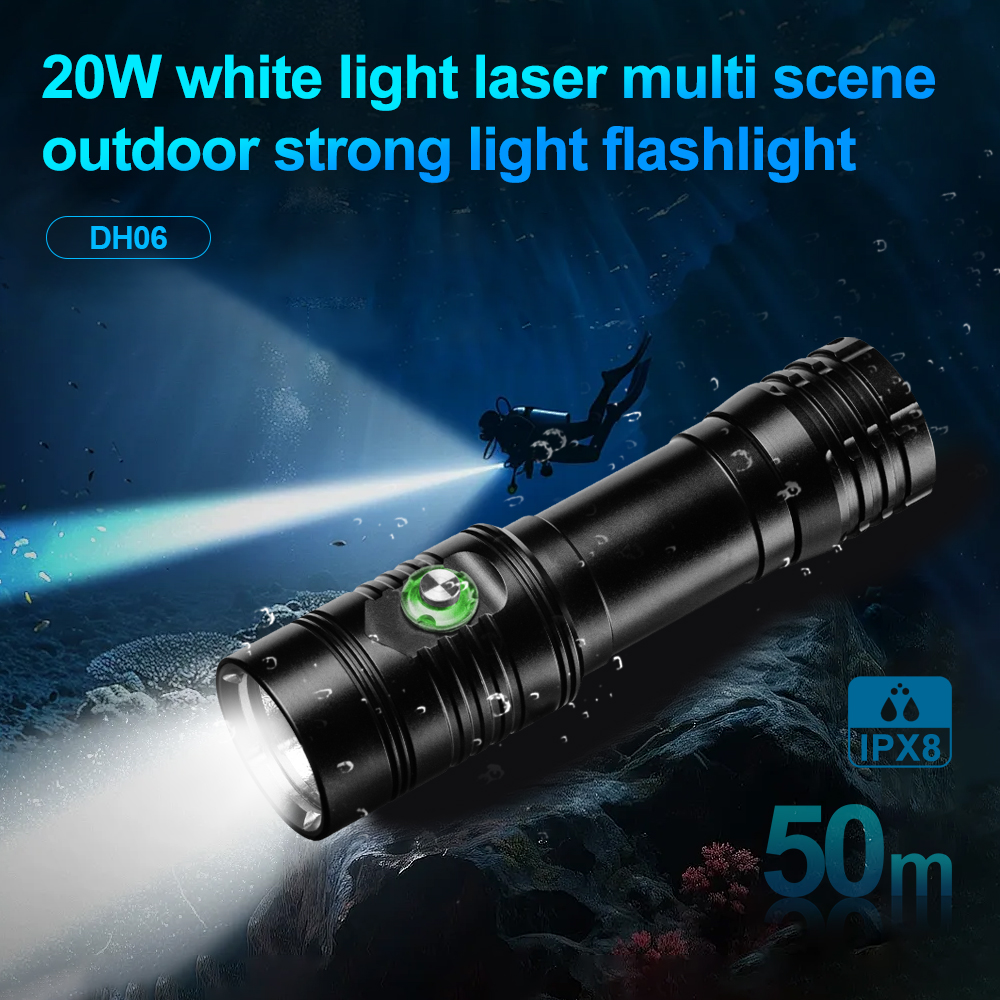
You must verify each supplier before you purchase a diving flashlight from China. Low-quality products often lead to safety risks and wasted investments. Test and inspect every product to catch design flaws early. Use secure purchasing practices to protect your money. Stay proactive to avoid costly mistakes.
Key Takeaways
Always verify supplier credentials before purchasing. Check for valid business licenses and certifications to ensure compliance with industry standards.
Request samples and conduct thorough inspections. Testing the flashlight's performance and disassembling it for quality checks can reveal hidden flaws.
Use secure payment methods and draft clear contracts. Protect your investment by choosing platforms with buyer protection and specifying all terms in your agreements.
Supplier Quality Verification

Verify Supplier Credentials
You need to start your supplier verification process by checking the credentials of every manufacturer. Reliable diving flashlight suppliers in China must hold valid business licenses and certifications. These documents prove that the company operates legally and meets industry standards. Look for the following certifications when you conduct due diligence:
CE
SAA
TUV
FCC
CSA
Energy Star standards
RoHS compliance
You can use the China National Enterprise Credit Information Publicity System to confirm a supplier’s registration, legal status, and financial background. This government resource provides details about business licenses, tax registrations, and any legal disputes. Third-party agencies such as SGS and Bureau Veritas also offer factory audits and quality control inspections. These audits verify certifications like ISO 9001 and assess operational capabilities.
Tip: Always request copies of certifications and business licenses before placing any orders. Cross-check these documents with official databases to ensure authenticity.
Check Online Reputation
Supplier reputation plays a major role in ensuring product quality. You should research the company’s history and collect feedback from client reviews and ratings. Reliable platforms provide reputation scores and offer features that protect buyers. The table below highlights key features to look for when evaluating suppliers online:
Feature | Description |
|---|---|
Trade Assurance | Provides safe and easy payments |
Money-back policy | Ensures refunds under certain conditions |
On-time shipping | Guarantees timely delivery |
After-sales protections | Offers support after purchase |
Product monitoring services | Allows inspection of products before shipping |
Check past performances and future plans to get a complete picture of the supplier’s reliability. Use multiple sources to confirm the supplier’s reputation and avoid relying on a single review site.
Read Reviews and References
Reading reviews and references helps you spot potential quality issues before you commit to a purchase. Negative feedback trends can reveal recurring problems such as product failures and safety concerns. These trends indicate that some suppliers may not meet quality standards, which can affect customer satisfaction. Monitoring feedback helps you identify suppliers that pose risks in product reliability and safety.
Negative feedback trends can reveal recurring issues such as product failures and safety concerns.
These trends indicate that some suppliers may not meet quality standards, affecting customer satisfaction.
Monitoring feedback helps identify suppliers that pose risks in product reliability and safety.
Contact previous clients for references and ask about their experiences with product quality and delivery. Reliable suppliers will provide references without hesitation.
Note: Watch for fake reviews. Genuine reviews often include specific details about product performance and customer service. Unreliable suppliers may post generic or overly positive feedback to hide quality problems.
Warning Signs of Scams
You must stay alert for common warning signs of scams in the diving flashlight industry. Trade associations have identified several red flags that signal supplier fraud or unethical practices. The table below summarizes the most frequent warning signs:
Warning Sign Type | Specific Warning Signs |
|---|---|
Vendor & Supplier Irregularities | - Repeated contract awards to the same supplier without fair competition |
- New or unknown vendors winning big contracts | |
- Vendors sharing contacts or addresses—possible collusion | |
- Frequent name changes or unclear subcontracting | |
- The last bidder always wins the contract | |
Employee Red Flags | - Staff insisting on certain vendors or bypassing procedures |
- Lifestyle far beyond known income | |
- Refusal to take leave or rotate roles | |
- Undeclared relationships with suppliers | |
Suspicious Documentation & Pricing | - Tender specs tailored to one supplier |
- Identical errors or wording across multiple bids | |
- Prices far above or below market rates | |
- Incomplete, missing, or altered documentation | |
Process & Compliance Gaps | - Splitting purchases to avoid approval thresholds |
- Using “urgency” to skip competitive bidding | |
- Weak segregation of duties | |
- No conflict-of-interest declarations | |
Payment & Delivery Issues | - Payments made before delivery or inspection |
- Duplicate or inflated invoices | |
- Poor-quality or reduced deliveries | |
- Unjustified advance payments |
If you notice any of these warning signs, reconsider your supplier choice. Protect your investment by using secure payment methods and insisting on proper documentation.
Alert: Scams often involve poor-quality products, incomplete deliveries, or unjustified advance payments. Always prioritize supplier verification and quality control to avoid these risks.
Diving Flashlight Sample Testing

Request and Inspect Samples
You should always request samples before making any bulk purchase from China. This step allows you to evaluate the diving flashlight in real-world conditions. When you receive the samples, check the build, weight, and finish. Turn on the flashlight and test it in a dark room and underwater if possible. Observe the brightness, beam consistency, and switch operation. A high-quality diving flashlight should feel sturdy and perform reliably during these tests.
Tip: Test the flashlight for at least 30 minutes to see if it overheats or dims unexpectedly. Consistent performance signals good quality control.
Disassemble for Quality Check
You need to disassemble the sample to inspect the internal components. Remove the battery compartment and examine the o-rings, threads, and electronics. Look for clean soldering and secure mounting of the light module. Poor assembly can lead to failures during a dive. Check for corrosion or residue on metal parts, which may indicate water ingress or low-quality materials.
A table below summarizes what to check during disassembly:
Component | What to Inspect For |
|---|---|
O-rings | Flexibility, no cracks, proper size |
Threads | Smoothness, no cross-threading |
Electronics | Clean soldering, no loose wires |
Switch Button | Firm click, no sticking |
Battery Compartment | No corrosion, secure contacts |
Alert: If you find any loose parts or signs of corrosion, the flashlight may not withstand underwater use.
Spot Design Flaws
You must identify common design flaws that often appear in diving flashlights from China. These flaws can compromise both safety and product lifespan. Watch for the following issues:
Poor quality o-rings that fail to seal out water
Inadequate mounting of lights, causing movement or misalignment
Insufficient tightening of threads, leading to leaks
Electronics failures, such as flickering or non-functional lights
Switch buttons that do not work reliably
Corrosion issues caused by electrical current exposure
Design flaws can put you at risk, especially during cave or night dives where a primary light is essential for safety. Well-made diving flashlights from reputable manufacturers handle harsh underwater conditions and last longer. Choosing a high-quality product also makes repairs easier and extends the flashlight’s lifespan.
Battery and Maintenance Tips
Battery quality plays a critical role in the performance of your diving flashlight. You should look for a runtime of at least 2-3 hours to support extended dives. Rechargeable lithium-ion batteries offer better performance and longer runtimes compared to standard options. LEDs provide greater energy efficiency and durability, which means your flashlight will last longer and withstand water pressure.
Check for a strong watertight o-ring seal to prevent water from entering the battery compartment. Ideal depth ratings include IPX7 (submersible up to 1 meter for 30 minutes) and IPX8 (suitable for continuous immersion beyond 1 meter).
To extend battery life, follow these maintenance practices:
Charge lithium batteries when they reach 20%-30% to avoid damage from full depletion.
Keep charging and usage temperatures between 5°C and 45°C.
Clean the metal contacts of the battery and lamp body regularly to prevent oxidation.
For long-term storage, charge the battery to 50%-60% and store it in a cool, dry place away from metal objects.
Note: Proper maintenance ensures your diving flashlight remains reliable and safe for every dive.
By following these steps, you can detect hidden issues and ensure the diving flashlight you source meets your quality standards. Always prioritize sample testing as a key part of your quality control process.
Secure Purchasing and Avoid Scams
Use Safe Payment Methods
You should always use secure payment platforms when sourcing diving flashlights from China. These platforms protect your funds and help you avoid scams. The table below shows common payment methods and their security features:
Payment Method | Security Features |
|---|---|
USD Payments | Protected by the platform |
Refund Policy | Claim a refund for shipping or quality issues |
Modern payment systems use advanced analytics and machine learning to detect fraud. Real-time transaction monitoring helps spot red flags before you lose money. Blockchain technology and tokenization for data protection add extra layers of security. These tools make it harder for scammers to succeed.
Tip: Never use risky payment methods like Western Union. Always choose platforms with buyer protection.
Draft Clear Contracts
You must draft clear contracts to protect your interests. A strong contract should include product specifications, quality standards, price, payment terms, lead time, penalties for delays, warranty information, and inspection protocol. Make sure the contract is bilingual and governed by Chinese law.
Clear contracts answer common questions and outline procedures for resolving disputes. Avoid vague terms. Specify exact details to reduce arguments. Careful contract administration helps you avoid scams and keeps deals on track.
Trade Assurance Options
Trade assurance options, such as Alibaba’s Trade Assurance, hold your payment until you confirm the goods meet your quality standards. This system reduces the risk of fraud and financial loss. Using trade assurance also helps you spot red flags early, such as suppliers who refuse to use secure payment methods.
Tips to ensure safe trade: Always use trade assurance and secure payment platforms. Watch for red flags like requests for advance payments or incomplete documentation. These steps support your quality control process and help you avoid scams when sourcing from China.
Third-Party Inspections
Arrange Pre-Shipment Checks
You should arrange pre-shipment checks before your diving flashlights leave the factory. These checks help you catch defects and ensure the products match your specifications. You can ask the inspection team to verify the quantity, packaging, and labeling. They will also test the flashlights for brightness and waterproof performance. Pre-shipment checks reduce the risk of receiving faulty or low-quality goods.
Tip: Schedule these checks after production but before payment. This timing gives you leverage if the supplier needs to fix any issues.
Choose Reliable Inspectors
Selecting a reliable inspector is essential for quality assurance. You can hire third-party agencies with experience in diving equipment. Look for inspectors who understand international standards and have a strong track record. Ask for references and review their credentials. A good inspector will provide detailed reports and photos from the factory floor. You should avoid using inspectors recommended only by the supplier.
Inspection Checklist Essentials
A thorough checklist helps you conduct inspections that cover all critical points. You should include the following items:
Perform burn tests on each dive light every six to twelve months to check battery life.
Record how long the battery lasts during the burn test.
Track any changes in performance compared to previous tests.
Confirm the dive light comes from a reputable manufacturer.
Check for consistent brightness and reliable switch operation.
Inspect o-rings, threads, and battery compartments for defects.
Review packaging and labeling for accuracy.
You can use this checklist to maintain high standards and protect your investment. Regular inspections help you spot problems early and keep your supply chain strong.
Start Small to Minimize Risk
Trial Orders First
You should always begin with a small trial order when sourcing diving flashlights from a new supplier. This approach lets you test the product quality without making a large financial commitment. Many suppliers in China offer flexibility in order sizes. You can start with a single flashlight sample or a small batch. This flexibility helps you evaluate both the product and the supplier’s reliability.
A trial order acts as a proof of concept. You see how the supplier handles your requirements.
You reduce your risk by avoiding a large upfront investment.
The supplier also benefits. They can demonstrate their capabilities and build trust with you.
Tip: Use the trial order to check every detail, from packaging to performance. Take notes on communication speed and problem-solving skills.
Scale Up After Quality Confirmation
Once you confirm the quality meets your standards, you can increase your order size with confidence. You should only scale up after you receive and inspect the trial batch. This step ensures the supplier can deliver consistent quality on larger orders.
You can negotiate better prices and terms after a successful trial. Suppliers often offer discounts for larger quantities. You also build a stronger business relationship by showing commitment after quality confirmation.
Start small to minimize risk.
Scale up only after you trust the supplier’s quality and service.
Note: Patience pays off. Rushing into large orders can lead to costly mistakes. Take time to verify each step before expanding your business.
Sourcing Agencies for Quality Assurance
Benefits of Sourcing Agencies
You can use sourcing agencies to make your purchasing process in China much safer and more efficient. These agencies act as your local partners. They help you find reliable suppliers and manage negotiations. Most importantly, they provide quality control services that protect your investment. Sourcing agencies inspect factories, test samples, and check shipments before they leave the country. This hands-on approach reduces the risk of receiving low-quality products. You also save time because the agency handles communication and problem-solving on your behalf.
Tip: Sourcing agencies often have established relationships with trusted manufacturers. This network gives you access to better prices and higher quality standards.
How to Select a Trusted Agency
You need to choose a sourcing agency with a strong track record. Start by checking their business licenses and certifications. Ask for references from other clients who have sourced diving flashlights or similar products. Review their experience with quality control services and their knowledge of the local market in China. A reputable agency will provide clear contracts, transparent pricing, and regular updates throughout the sourcing process.
Here is a checklist to help you select the right agency:
Valid business license and certifications
Positive client references
Experience with your product category
Strong quality control process
Transparent fees and clear communication
A trusted sourcing agency helps you avoid costly mistakes and ensures your products meet your quality requirements.
You avoid poor quality by following strict steps when buying goods from china. Always verify suppliers, test samples, and check for quality control issues. Start small when importing from china. Use sourcing agencies in china to meet your quality requirements. Careful importing from china protects you when buying goods from china.
Stay alert when importing from china.
Never rush buying goods from china.
Quality matters most when importing from china.
Choose smart steps for buying goods from china and avoid costly mistakes.
FAQ
What certifications should you check for when sourcing diving flashlights from China?
You should look for CE, RoHS, FCC, and ISO 9001 certifications. These prove compliance with safety and quality standards.
How can you spot fake supplier reviews online?
Genuine reviews mention specific product details and customer service experiences. Fake reviews often use generic praise and lack technical information.
What is the safest payment method for buying diving flashlights from China?
Payment Method | Buyer Protection | Refund Option |
|---|---|---|
Trade Assurance | Yes | Yes |
PayPal | Yes | Yes |
Choose platforms with buyer protection and refund policies.
See Also
Understanding How Diving Flashlights Differ From Regular Ones
Guidelines for Selecting the Ideal Flashlight for Camping
Key Advice for Properly Maintaining Your Flashlight