Why 0.1W LED Are Essential for Indicators and Safety Markers in Modern Flashlights

When you look for a reliable flashlight, you want clear indicators and bright safety markers. Manufacturers often use a 0.1W LED for these features because it gives you the best mix of visibility, energy efficiency, and durability. You get longer battery life and better safety in every situation. This small but powerful component also supports sustainability by reducing energy waste.
Key Takeaways
Choose flashlights with 0.1W LEDs for clear indicators and safety markers. They provide reliable visibility without draining the battery quickly.
Look for features like battery status indicators and customizable settings. These enhance user experience and ensure your flashlight is always ready.
Opt for 0.1W LEDs to extend battery life and reduce energy waste. This choice supports sustainability and saves you money over time.
Select flashlights with low heat generation. This protects internal components and increases the lifespan of your device.
Keep a flashlight with a 0.1W LED in your emergency kit. It offers reliable light during blackouts and helps you navigate in the dark.
Role of Indicators and Safety Markers
Functions in Modern Flashlights
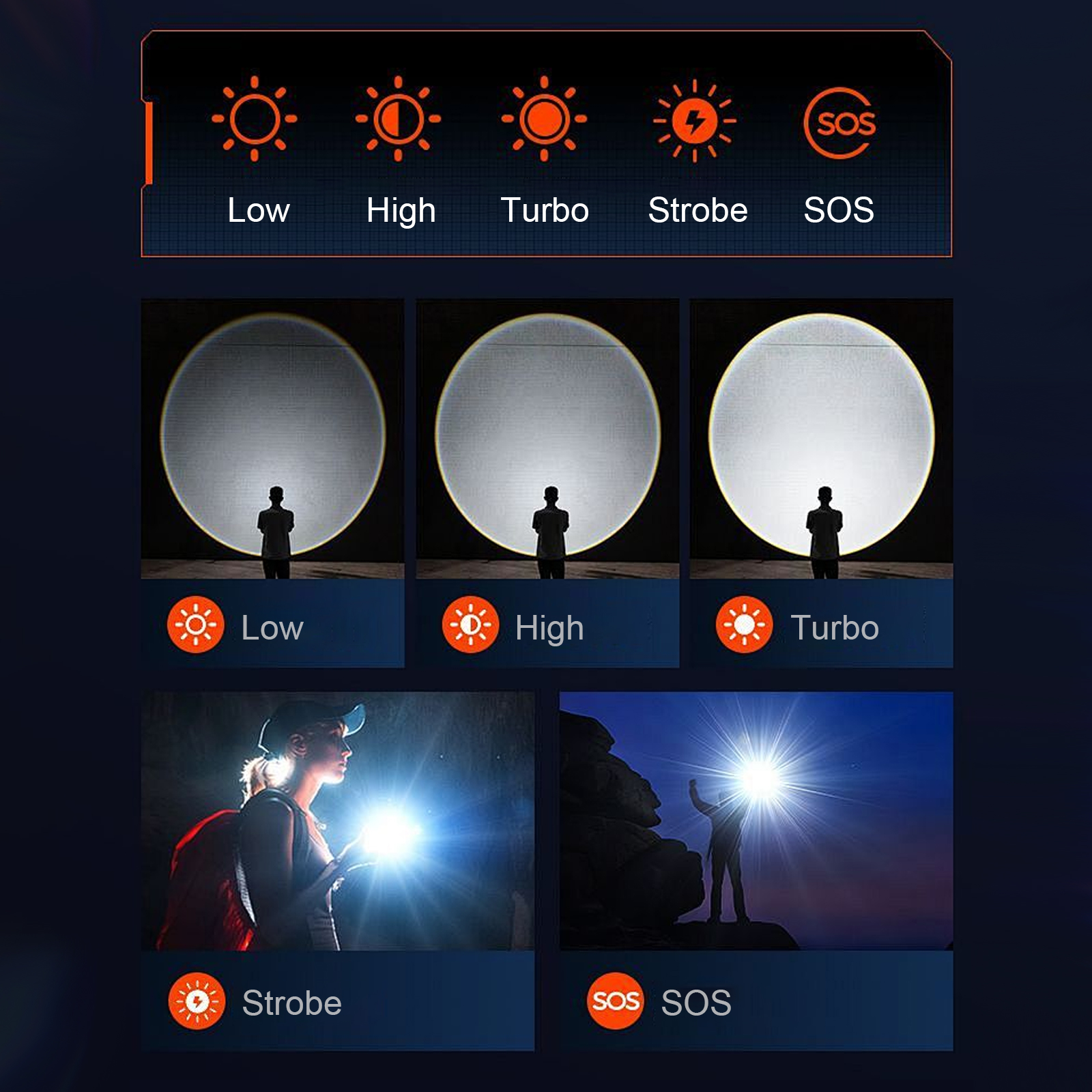
When you pick up a modern flashlight, you notice more than just a simple on/off switch. Indicators and safety markers play a big part in how you use your device. These features help you understand the flashlight’s status at a glance. Many flashlights use electronic controls that let you select different output levels and modes. You might see pre-programmed settings like flashing beacons or strobe lights. Some models even include sensors that react to movement or orientation, making the flashlight smarter and more responsive.
You can also find flashlights with USB ports for user programming. This lets you customize how your flashlight behaves. Indicators often show battery capacity, voltage, and charging status. As the battery drains, these lights can alert you to recharge or adjust brightness. The 0.1W LED is often chosen for these roles because it provides clear signals without draining the battery quickly.
Tip: Look for flashlights with clear indicator lights if you want to avoid surprises during use.
User Safety and Awareness
Indicators and safety markers do more than just look good—they keep you safe. Visual signals from indicator lights tell you if your flashlight is on, what mode it’s in, or if there’s a problem. This immediate feedback helps you avoid mistakes, especially in dark or stressful situations. For example, a low-battery warning can prevent your light from failing when you need it most.
In industrial settings, these features become even more important. Indicator lights can show machine status or alert you to faults, which is crucial when you might miss an alarm sound. By using a 0.1W LED for these markers, manufacturers ensure you get reliable, visible alerts without overheating or wasting energy. This attention to detail improves both your safety and the overall convenience of your flashlight.
Why 0.1W LED Is Ideal
Energy Efficiency and Battery Life
You want your flashlight to last as long as possible, especially in critical situations. The 0.1W LED stands out for its low power consumption, which directly translates to longer battery life. When you compare it to higher-wattage LEDs, the difference becomes clear:
0.1W LEDs consume significantly less power than traditional higher-wattage LEDs.
Higher-wattage LEDs can range from a few milliwatts to hundreds of watts.
The efficiency of LEDs is measured in lumens per watt, so you get more light for less energy.
This efficiency means you can use your flashlight for extended periods without frequent recharging or battery changes. You also save on energy costs over time, making your flashlight more sustainable and cost-effective.
Note: Choosing a flashlight with a 0.1W LED helps you maximize every charge and reduces your environmental impact.
Brightness and Visibility
You need indicator lights and safety markers that are bright enough to see but not so intense that they become distracting. The 0.1W LED provides just the right amount of brightness for these applications. Manufacturers design these LEDs to deliver clear visibility in both dark and well-lit environments.
Brightness (Lumens) |
|---|
10–100 lm depending on type |
Higher lumens improve visibility in bright environments |
This range ensures you can always spot your flashlight’s indicators, whether you are indoors, outdoors, or in emergency situations. The balance of brightness and efficiency makes the 0.1W LED a smart choice for safety and convenience.
Durability and Heat Management
You rely on your flashlight to work in all conditions. The 0.1W LED offers excellent durability because it generates minimal heat. Unlike high-power LEDs, which require complex cooling systems, the 0.1W LED stays cool even during long periods of use. This low heat output protects internal components and extends the life of your flashlight.
Feature | Low-Power LEDs (0.1W) | High-Power LEDs |
|---|---|---|
Power Consumption | Generally between 0.03W and 0.1W | Ranges from 0.25W to 100W |
Brightness | Measured in millicandela (mcd) | Measured in lumens (lm) |
Typical Brightness Range | Relatively low brightness | High brightness (110LM to 260LM+) |
Heat Generation | Minimal heat generation | Requires effective heat dissipation |
Application Areas | Indicator lights, decorative lights | Indoor/outdoor lighting, commercial lighting |
Efficiency | High efficiency for low power applications | High efficiency but needs cooling |
You get a reliable light source that does not overheat or damage sensitive electronics. This durability means your flashlight will serve you well for years, even with frequent use.
Design Flexibility
You want a flashlight that fits your needs, whether you prefer a compact keychain model or a rugged tool for outdoor adventures. The 0.1W LED gives manufacturers the flexibility to design flashlights in many shapes and sizes. Its small size and low heat output allow for creative and compact designs without sacrificing performance.
Feature | Description |
|---|---|
Energy consumption | Low energy consumption of 0.1W allows for longer battery life in flashlights. |
Thermal management requirements | Reduced heat generation simplifies thermal management in compact designs. |
Compatibility | Small size enables compatibility with various driver circuits for flexibility. |
Integration capabilities | Through-hole and SMD types provide options for different assembly methods. |
You benefit from a wide range of flashlight options, each tailored to specific uses. Whether you need a lightweight emergency light or a specialized tool, the 0.1W LED makes it possible.
Comparing LED Power Ratings
When you select a flashlight, understanding the differences between LED power ratings helps you make an informed choice. The right LED ensures your indicators and safety markers work efficiently and reliably. You want a balance between brightness, energy use, and long-term performance.
Higher-Powered LED Drawbacks
High-powered LEDs might seem appealing because they offer intense brightness. However, these LEDs often create more problems than solutions for indicators and safety markers. You face several drawbacks when you use them in flashlights:
Increased power consumption drains batteries quickly.
Higher costs make your flashlight more expensive.
Generation of more heat requires careful thermal management.
You must consider these factors because excessive heat can damage internal components. High-powered LEDs also need larger batteries and complex circuitry, which adds weight and bulk. For simple indicators, this level of power is unnecessary and inefficient.
Tip: Choose LEDs with moderate power ratings for indicator lights to avoid overheating and wasted energy.
Lower-Powered LED Limitations
On the other end, LEDs below 0.1W present their own set of challenges. You may notice that these LEDs struggle to deliver consistent performance. Common limitations include:
Lower lumen output compared to larger LEDs.
Sensitive to voltage spikes without regulation.
Limited beam spread in some models.
Performance drops as battery depletes.
Brightness varies between brands and models.
Some cheaper versions flicker or dim over time.
You want your flashlight’s indicators to remain visible and reliable, even as the battery runs low. Lower-powered LEDs often fail to meet these expectations. While they use less energy, they sacrifice visibility and stability. The 0.1W LED strikes the right balance, offering reliable brightness and durability without the drawbacks of higher or lower-powered options.
Note: Reliable indicators keep you safe and informed, especially in emergencies.
User Benefits of 0.1W LED
Enhanced Safety in Emergencies
You depend on your flashlight most during emergencies. A 0.1W LED gives you reliable light when you need it most. You can trust your flashlight to work during blackouts, help you find dropped items in the dark, or provide visibility when you check under the hood or change a tire at night. The compact size of these LEDs means you can always keep a flashlight in your emergency kit. Many models also feature water-resistant and shockproof designs, so you can use them in harsh conditions without worry.
Application | Description |
|---|---|
Reliable light during blackouts | Provides illumination when power is out, enhancing safety. |
Locating dropped items | Helps find items in dark areas, reducing risk of accidents. |
Checking under the hood or changing a tire | Essential for visibility during roadside emergencies. |
Compact for emergency kits | Easy to carry, ensuring availability in critical situations. |
Water-resistant and shockproof | Increases durability and reliability in harsh conditions. |
Tip: Keep a flashlight with a 0.1W LED in your car or home for quick access during unexpected situations.
Improved User Experience
You want a flashlight that is easy to use and always ready. The 0.1W LED makes indicators and safety markers clear and visible without being too bright or distracting. You can quickly check battery status, mode, or charging progress at a glance. This helps you avoid surprises and keeps your flashlight ready for action. You also benefit from longer battery life, so you spend less time recharging and more time using your device.
Longer Flashlight Lifespan
You invest in a flashlight expecting it to last. The low power and minimal heat output of a 0.1W LED protect the internal components from damage. Your flashlight stays cool, even with extended use. This means fewer repairs and replacements over time. You get a product that stands up to daily use, saving you money and reducing waste.
Note: Choosing a flashlight with a 0.1W LED supports both your safety and the environment by extending product life and reducing battery waste.
When you choose a flashlight, you want reliable indicators and safety markers. The 0.1W LED stands out for its energy efficiency, low heat, and compatibility with different voltages. You benefit from longer battery life and safer operation. Review the table below to see why this technology leads the industry:
Feature | Description |
|---|---|
Energy Efficiency | Uses less power, extends battery life. |
Power Draw | Low power draw, perfect for portable devices. |
Heat Generation | Produces minimal heat, protects components. |
Voltage Compatibility | Works with common low-voltage systems. |
Consider these advantages when selecting your next flashlight.
FAQ
What makes a 0.1W LED better for flashlight indicators?
You get optimal brightness without draining your battery. A 0.1W LED provides clear signals and keeps your flashlight cool. This balance helps you stay safe and extends your device’s lifespan.
Can you replace a 0.1W LED with a higher-powered LED?
You should avoid this. Higher-powered LEDs generate more heat and use more energy. This can damage your flashlight’s circuits and reduce battery life.
How long does a 0.1W LED typically last?
You can expect a 0.1W LED to last tens of thousands of hours. Most users never need to replace it during the flashlight’s lifetime.
Are 0.1W LEDs visible in daylight?
Yes, you can see most 0.1W LEDs in daylight, especially if the indicator uses a focused lens or colored light. Visibility may decrease in direct sunlight, but you still notice the signal in most conditions.
See Also
The Ultimate Guide to Understanding Flashlight Brightness Levels
Exploring Stepless Dimming Features in Modern Flashlights
Comparing Police Flashlights and Standard Flashlights: A Review
Essential LED Flashlights for Every Home: A Practical Choice